Recipe
Servings
4 servings 1×
Serves 4Prep 5 minCook 10 minTotal 15 min
Nutrition per serving
Ingredients
- 1 lb protein chicken, tofu, or beef sliced thin
- 4 cups mixed vegetables chopped bite-sized
- 3 tbsp soy sauce
- 1 tsp cornstarch mixed with 1 tbsp water
Method
- Get your pan screamingly hot.
- Sear the protein in small batches until browned, then remove.
- Add vegetables to the hot pan.
- Sizzle for 3-4 minutes until crunch-tender.
- Return protein to pan.
- Pour in soy sauce and cornstarch slurry.
- Stir until glossy and thick.
It is 5:45 PM on a Tuesday. The kids are currently debating the structural integrity of a sofa cushion, the dog is staring at his empty bowl with the intensity of a thousand suns, and I am standing in front of the refrigerator, blinking. We’ve all been there: the “witching hour” where your brain feels like a browser tab that’s frozen while trying to load a heavy video. This is exactly when the temptation to tap a delivery app becomes overwhelming. But before you succumb to the siren song of a forty-minute wait and a thirty-pound bill, let me introduce you to my absolute sanity-saver: the 15-minute ‘Kitchen Sink’ stir-fry. This isn’t just a recipe; it’s a lifestyle choice for the chronically busy. It’s about taking the chaos of your crisper drawer and turning it into something that tastes like a gourmet “cheat meal” but fuels you like the healthy dinner ideas we all pin but rarely execute.
The Art of the Sizzle: Why Technique Trumps a Recipe
When it comes to 15 minute meals for busy families, the secret isn’t in a long list of exotic ingredients. The secret is the physics of the pan. Most people treat a stir-fry like a slow-cooked stew, throwing everything in at once and watching as the vegetables weep their juices into a sad, grey puddle. To reimagine fast food at home, you have to embrace the high-heat lifestyle. I call it the “Sizzle Symphony.”
The logic behind the high heat is simple: we want to sear, not steam. By getting your pan (or wok, if you’re feeling fancy) screamingly hot before the first drop of oil touches it, you ensure that the moisture inside your vegetables stays locked in. This creates that “crunch-tender” texture that defines great takeout. If you crowd the pan or keep the heat at a timid medium, you’re just making a vegetable hot tub, and nobody wants to eat a soggy carrot.
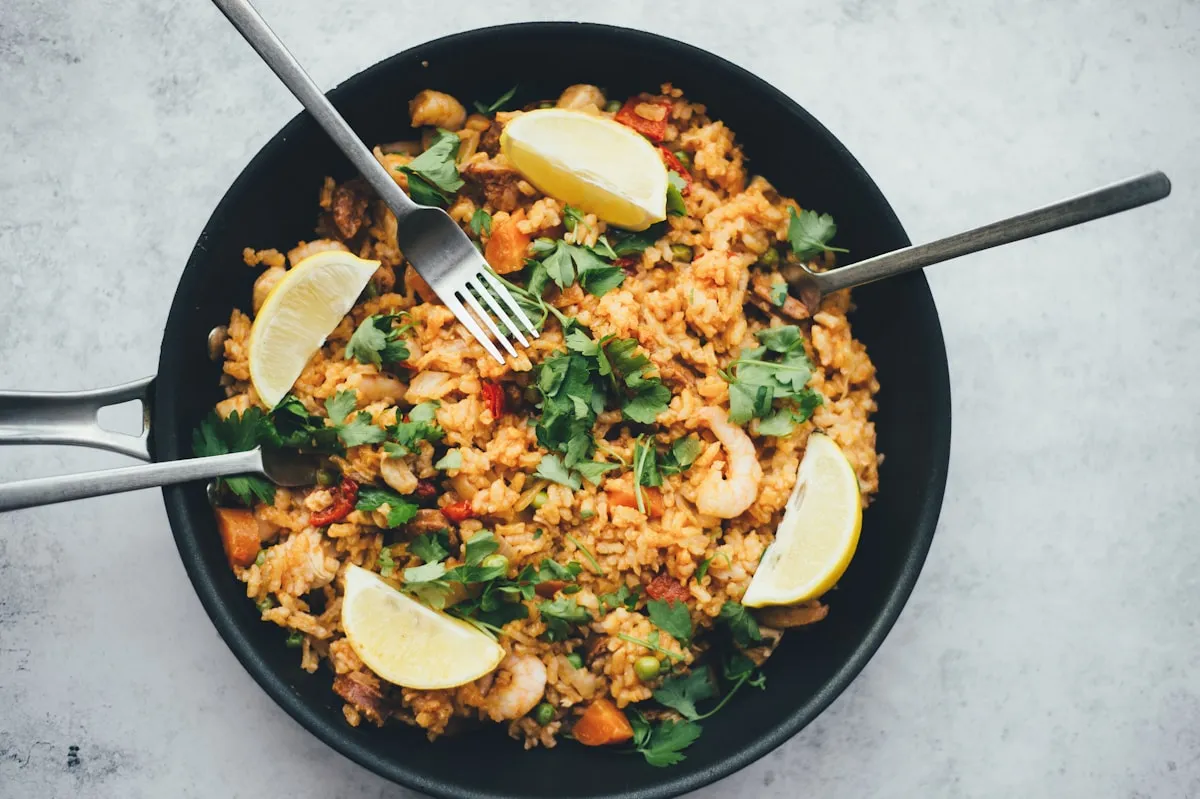
Beyond the heat, the real magic happens in the prep. In my house, “prep” usually means me frantically chopping while my toddler asks why the sky is blue for the fourteenth time. The key is surface area. Everything needs to be cut into uniform, bite-sized pieces. Small pieces cook faster: it’s basic math. If you have a stray chicken breast or a block of tofu, slicing it into thin strips across the grain ensures it cooks through in about ninety seconds. This isn’t just about speed; it’s about making sure every morsel is coated in the glossy, velvet-like sauce we’re going to build.
Speaking of sauce, let’s talk about the “Kitchen Sink” philosophy. This meal is the ultimate waste-management system for your fridge. That half of an onion, the three shrivelled mushrooms, and the handful of snap peas that are looking a bit lonely? They all belong here. By using a cornstarch slurry: a simple mix of starch and liquid: you create a sauce that clings to the ingredients rather than pooling at the bottom of the plate. This creates a cohesive meal out of random leftovers.
Variations: Dancing with the Contents of Your Fridge
One of the reasons this is my go-to for quick family meals is its sheer versatility. You are the captain of this ship, and the “sink” can hold whatever you desire. If you’re trying to move toward more plant-based living, a “Crispy Tofu” variation is a game-changer. The trick there is to press the moisture out of the tofu first so it can actually take on a golden crust.
For the meat-lovers, leftover roast beef or even Sunday’s chicken can be tossed in at the very last second just to warm through. Because the sauce is so robust: usually a balance of salty, sweet, and tangy: it can mask the fact that you’re basically eating “fridge Velcro” (those random things that just stuck around all week).
If your family likes a bit of heat, you can throw in a spoonful of chili crisp or some red pepper flakes. If you have picky eaters who treat “green things” like radioactive waste, I find that a “Sweet and Nutty” variation works wonders. Add a dollop of peanut butter to your sauce base and suddenly the broccoli is “covered in peanut sauce,” which is apparently a much easier sell to a six-year-old. You can even swap the traditional soy base for a splash of coconut milk and lime for a more tropical, Thai-inspired vibe. The point is, there are no rules in a kitchen sink stir-fry, only opportunities.
Side Pairings: Building the Foundation
While the stir-fry is the star of the show, a star needs a stage. Most people default to white rice, which is fine, but if we’re talking about truly healthy dinner ideas, we can get a bit more creative.
For those nights when even boiling water for rice feels like an Olympic feat, I am a huge advocate for the 90-second microwave rice pouches. There is zero shame in the convenience game when it helps you avoid the drive-thru. If you want more fiber, quinoa is an excellent base that soaks up the stir-fry sauce beautifully.
For a lower-carb option, cauliflower rice is the way to go. You can actually toss the cauliflower rice directly into the pan with your veggies for the last two minutes of cooking. It picks up all the browned bits from the bottom of the pan and becomes incredibly flavorful. Alternatively, if your kids are “noodle people” (and let’s be honest, which kids aren’t?), those straight-to-wok udon or rice noodles turn this meal into a slurpy, fun experience that usually results in more food actually ending up in their mouths rather than on the floor.
Frequently Asked Questions (FAQ)
How do I prevent my stir-fry from becoming watery?
This is the most common stir-fry tragedy. It usually happens for two reasons: you’ve either crowded the pan or you’re using frozen vegetables that weren’t properly handled. To fix this, cook in batches if your pan isn’t huge. Sear the meat, take it out. Sear the hard veg (carrots, broccoli), take them out. Then combine everything at the end with the sauce. Also, ensure your pan is hot enough that any liquid that escapes the veg evaporates instantly.
Can I use frozen vegetables for this?
Absolutely! In fact, frozen veg are a staple for 15 minute meals for busy families. The key is to add them to the pan while they are still frozen. Don’t thaw them in the microwave first, or they will turn to mush. Hit them with high heat immediately so they defrost and sear at the same time.
What is the best oil to use?
Since we are working with high heat, you want an oil with a high smoke point. Extra virgin olive oil will burn and taste bitter. Instead, go for vegetable oil, canola oil, or peanut oil. If you want that toasted sesame flavor, add a tiny splash of sesame oil at the very end as a finishing touch, rather than using it to fry with.
My sauce always ends up too thick or too thin. What am I doing wrong?
Sauce consistency is all about the cornstarch-to-liquid ratio. If it’s too thick (like a gel), add a splash of water or broth to loosen it up. If it’s too thin, let it bubble for another minute; the starch only activates and thickens once it reaches a boil. Always whisk your slurry right before adding it to the pan, as the starch likes to settle at the bottom of the cup.
How do I get my kids to eat the vegetables?
The “small cut” rule helps here. If the onions and peppers are diced finely enough, they almost melt into the sauce. Also, the high-heat sear makes vegetables sweeter by caramelizing their natural sugars, which is much more palatable to children than the bitter taste of boiled or steamed greens. When in doubt, more sauce!
Is this meal good for meal prep?
It sure is. You can chop all your “sink” ingredients on a Sunday and keep them in a sealed container. When Wednesday rolls around, you just dump and stir. The cooked leftovers also stay delicious for about two days, though the vegetables will lose some of that signature crunch when reheated in the microwave.