Recipe
Servings
Servings 1×
Ingredients
- Chicken
- Tofu
- Pasta
- Rice
- Potatoes
- Onion
- Garlic
- Lemon
- Lime
- Butter
- Cooking oil
- Sesame
- Salt
Method
- Add a splash of red wine vinegar to a heavy beef stew or a squeeze of lime to your tacos.
- Use high-quality vinegars and always add them after you have turned off the heat.
- Use a flaky sea salt (like Maldon) as a final topper.
- Use a simple vinaigrette with a 3-to-1 ratio of oil to acid.
- Roast your vegetables with a generous amount of olive oil and finish them with toasted nuts or seeds.
You’ve been there: standing in your kitchen at 6:30 PM, staring at a plate of food that looks perfectly fine but tastes… quiet. It isn’t bad, but it certainly isn't singing. Most easy dinner recipes suffer from a common affliction: they are nutritionally complete but sensorially flat. You don’t need a culinary degree or a pantry full of rare truffles to fix this. You just need to understand the "finish." By mastering a few 60-second techniques, you can transform a basic weeknight meal into something that rivals your favorite local bistro.
The Science of the "Finish": Salt, Fat, and Acid
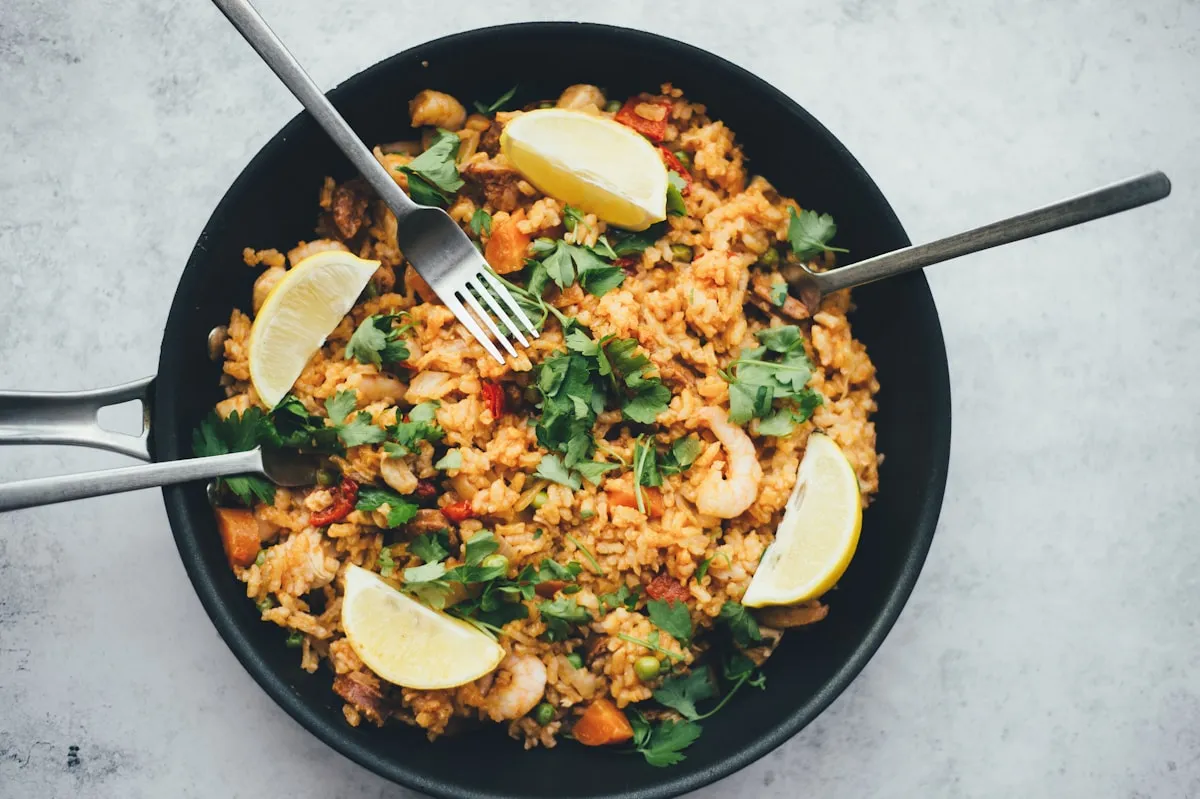
If your food tastes "muddy," the culprit is almost always a lack of contrast. Think of your palate like a radio: salt, fat, and acid are the dials that tune the signal. When you follow quick meals from my blog, the core flavors are there, but you have to turn the volume up right before the plate hits the table.
The Brightness of Acidity
Acidity is the most overlooked element in home kitchens. Scientifically, acids like lemon juice or vinegar lower the pH of a dish. This physiological change stimulates your salivary glands, which makes your taste buds more receptive to other flavors. If a soup or a stew feels heavy or "one-note," do not reach for the salt shaker first. Reach for a lemon.
Add a splash of red wine vinegar to a heavy beef stew or a squeeze of lime to your tacos. The acid cuts through the richness of fats and brightens the entire profile. Use high-quality vinegars and always add them after you have turned off the heat. High heat can dull the bright, volatile aromatic compounds in citrus juice, leaving you with just the sourness rather than the "vibrancy."
Texture and The Finishing Salt
Salt serves two roles: it reduces bitterness and enhances sweetness. While you should season your food throughout the cooking process, the "finishing salt" is a different beast entirely. Use a flaky sea salt (like Maldon) as a final topper. Because the crystals are large and irregular, they don’t dissolve immediately. This creates tiny "flavor bursts" on the tongue and adds a much-needed crunch to soft dishes like roasted vegetables or pan-seared fish.
Fat as a Flavor Carrier
Many flavor compounds are fat-soluble, meaning they need fat to actually reach your nose and tongue. If you are exploring healthy dinner ideas, don't fear a finishing fat. A final drizzle of extra-virgin olive oil over a grain bowl or a small knob of cold butter swirled into a red sauce adds "mouthfeel." This creates a silky coating on the palate that allows flavors to linger longer, making the meal more satisfying.
Mastering Flavor Variations
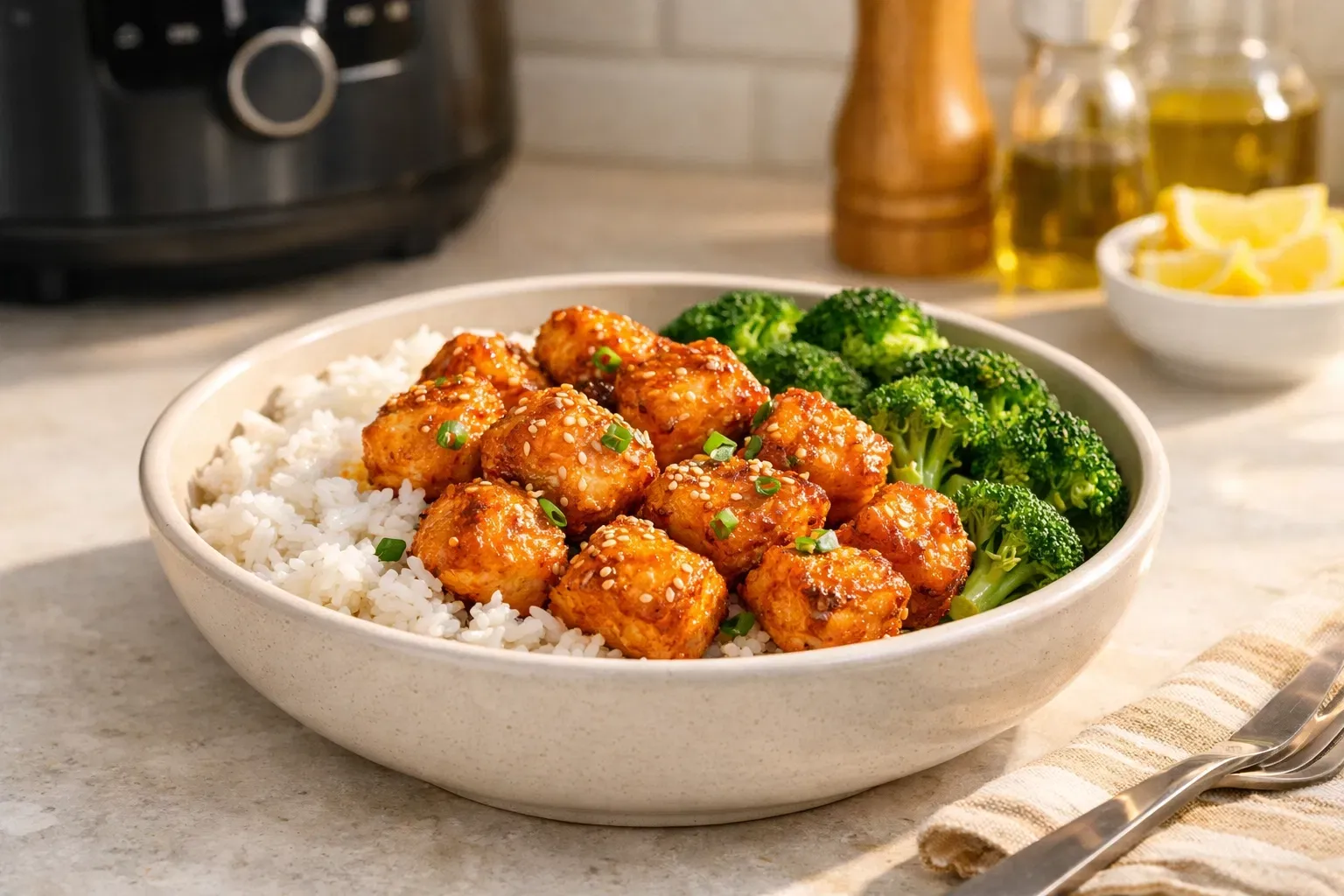
Applying these upgrades depends on the "vibe" of your meal. You cannot treat a stir-fry the same way you treat a Sunday roast.
For Asian-inspired dishes, specifically when working with air fryer recipes dinner options like crispy tofu or chicken, look for umami-rich acids. Swap standard vinegar for rice vinegar or a splash of lime juice paired with a drizzle of toasted sesame oil. The oil provides the aromatic fat, while the lime provides the high-register acidity.
If you are leaning into Mediterranean flavors, think about "herbal acidity." Take fresh parsley, lemon zest, and a little garlic to create a gremolata. Sprinkle this over roasted meats or fish. It provides a trifecta of aromatics, acid, and texture that makes even the most basic easy dinner recipes feel intentional and upscale.
For creamy or cheesy dishes, you need sharp contrast to prevent "palate fatigue." Palate fatigue happens when your brain stops registering flavor because every bite is the same rich, heavy texture. Introduce pickled red onions or a splash of brine from a jar of capers. These tiny hits of acid provide a "reset" for your taste buds, making the next bite of creamy pasta taste just as good as the first.
Smart Side Dish Pairings
A great meal isn't just about the main event; it’s about the balance on the plate. When you are planning quick family meals, the side dish should act as a foil to the main.
If you are serving something rich and fatty: like pan-seared sausages or a buttery pasta: avoid heavy sides like mashed potatoes. Instead, choose a crisp, acidic salad. Use a simple vinaigrette with a 3-to-1 ratio of oil to acid. This "cuts" the fat of the main dish, cleaning your palate and making the meal feel lighter.
Conversely, if your main dish is lean, like grilled chicken or steamed fish, use the side dish to introduce richness. Roast your vegetables with a generous amount of olive oil and finish them with toasted nuts or seeds. This adds the necessary fat and texture to make the meal feel substantial. Always check my 30-minute meals section for pairing ideas that won't keep you in the kitchen all night.
Frequently Asked Questions
Why does my food taste bland even though I used salt?
You are likely missing acidity. Salt enhances what is already there, but if the flavor profile is "flat," salt just makes it "salty flat." Add a teaspoon of vinegar or a squeeze of lemon. You will be amazed at how the flavors suddenly "pop" and become distinguishable.
Can I use bottled lemon juice for finishing?
Avoid it. Bottled juice often contains preservatives and has been pasteurized, which kills the bright, floral notes of fresh citrus. For healthy dinner ideas, stick to fresh fruit. The zest of the lemon also contains essential oils that provide more aroma than the juice alone.
When should I add fresh herbs?
Add "hard" herbs like rosemary, thyme, or oregano during the cooking process so their oils can infuse the dish. Add "soft" herbs like basil, cilantro, parsley, or chives only at the very end. Heat destroys their delicate structure and turns them gray. A handful of fresh, bright green parsley at the end adds both visual appeal and a fresh "grassy" note that lightens the meal.
How do I fix a dish that is too salty?
Do not try to "cancel it out" with sugar; you'll just end up with sweet-and-salty soup. Instead, increase the bulk of the dish if possible (more water, more veggies) or add a starch like a potato to absorb some liquid. Alternatively, add a touch of acid and fat (like a splash of cream or a squeeze of lime) to distract the palate from the saltiness.
Does the temperature of the plate matter?
Absolutely. This is a classic chef trick. If you are serving a hot meal, warm your plates in a low oven for a few minutes. If the plate is cold, it will immediately suck the heat out of your food, causing fats to congeal and flavors to dull before you’ve even finished your first bite.
By focusing on these final touches: the acidity, the quality of your salt, and the freshness of your herbs: you move from "making food" to "cooking." It takes no extra time, but it changes everything about your experience at the dinner table. Stop settling for "fine" and start finishing with purpose.
{“@type”:”BlogPosting”,”image”:[“https://cdn.marblism.com/WfsHc2QKLrh.webp”,”https://cdn.marblism.com/oDPuh5mpxl7.webp”,”https://cdn.marblism.com/hWpxHrQyRAa.webp”],”author”:{“name”:”Penny”,”@type”:”Person”},”@context”:”https://schema.org”,”headline”:”The Simple Trick to Upgrade Your Easy Dinner Recipes Right Now”,”publisher”:{“logo”:{“url”:”https://cdn.marblism.com/KxroJ1kM_KA.webp”,”@type”:”ImageObject”},”name”:”Cookpedia”,”@type”:”Organization”},”description”:”Learn the professional secret to upgrading easy dinner recipes using the science of salt, fat, and acid to transform weeknight meals in seconds.”,”datePublished”:”2026-07-16″,”mainEntityOfPage”:{“@id”:”https://cookpedia.com/upgrade-easy-dinner-recipes”,”@type”:”WebPage”}}