Recipe
Serves
8 1×
Serves 8Prep 45 minCook 45 minTotal 1H30 min
Ingredients
Method
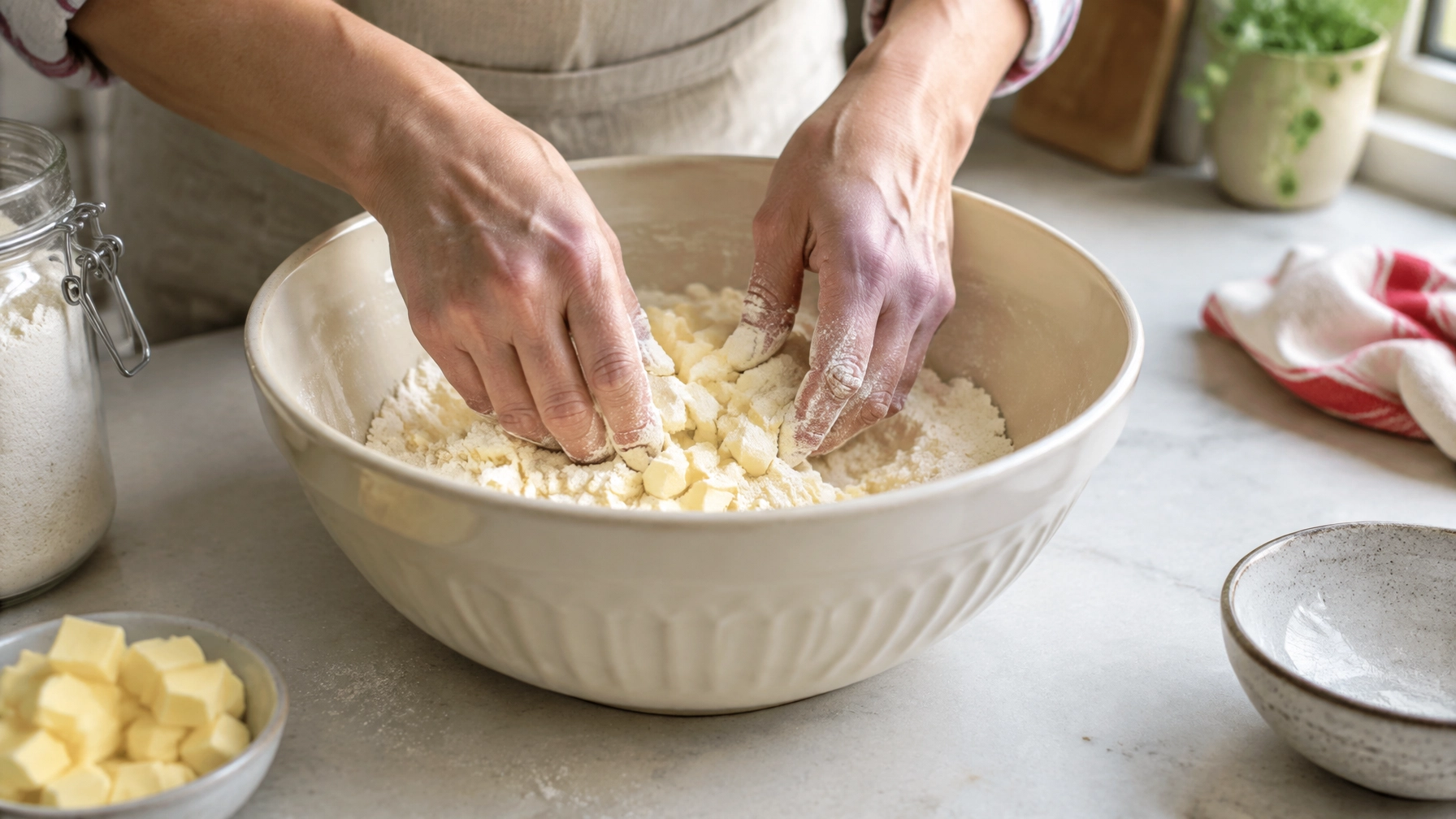
- Rub the cold butter into the flour in a bowl until the mixture resembles fine breadcrumbs.
- Add the beaten egg a little at a time, mixing with a knife or fork until the dough begins to come together. Knead briefly on a lightly floured surface until smooth. Do not overwork it.
- Shape the dough into a flat disc, cover and refrigerate for 20 minutes.
- On a lightly floured surface, roll the pastry into a circle large enough to line a 23cm loose-bottomed tart tin. Ease it into the tin without stretching. Trim the edges, prick the base lightly with a fork and chill for 10 minutes.
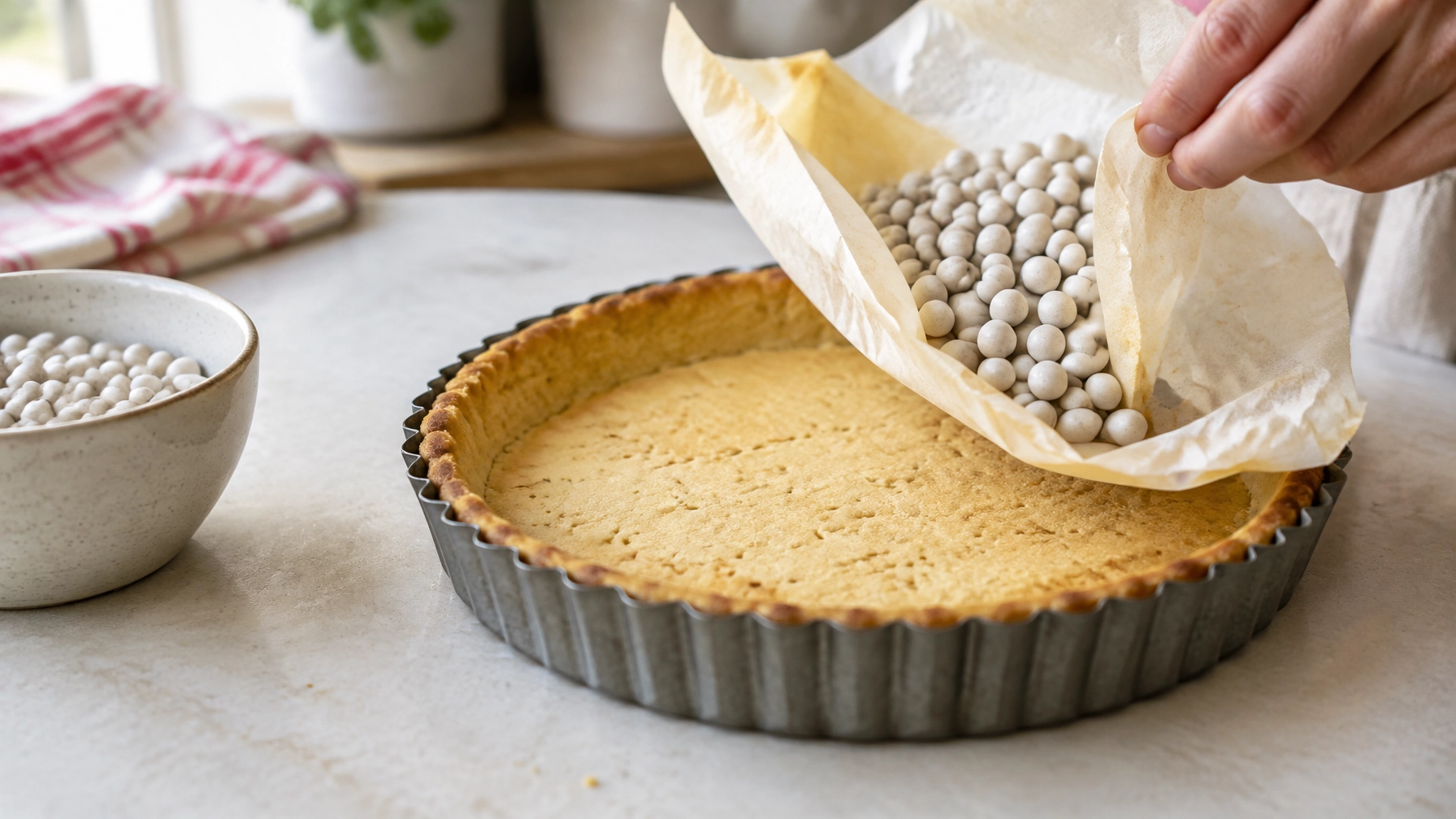
- Heat the oven to 190°C conventional or 170°C fan. Line the pastry case with baking paper and fill with baking beans or uncooked rice. Bake for 15 minutes. Remove the paper and weights, then bake for 5 minutes more, until the base looks dry and lightly coloured.
- Stir together the golden syrup, breadcrumbs, lemon zest, lemon juice and ground ginger, if using. Mix until evenly combined.
- Pour the filling into the pastry case and spread it level. Bake for about 30 minutes, until golden and just set with a slight wobble at the centre.
- Leave the tart to cool in the tin for at least 20 minutes before removing it. Serve warm or at room temperature, with cream if desired.
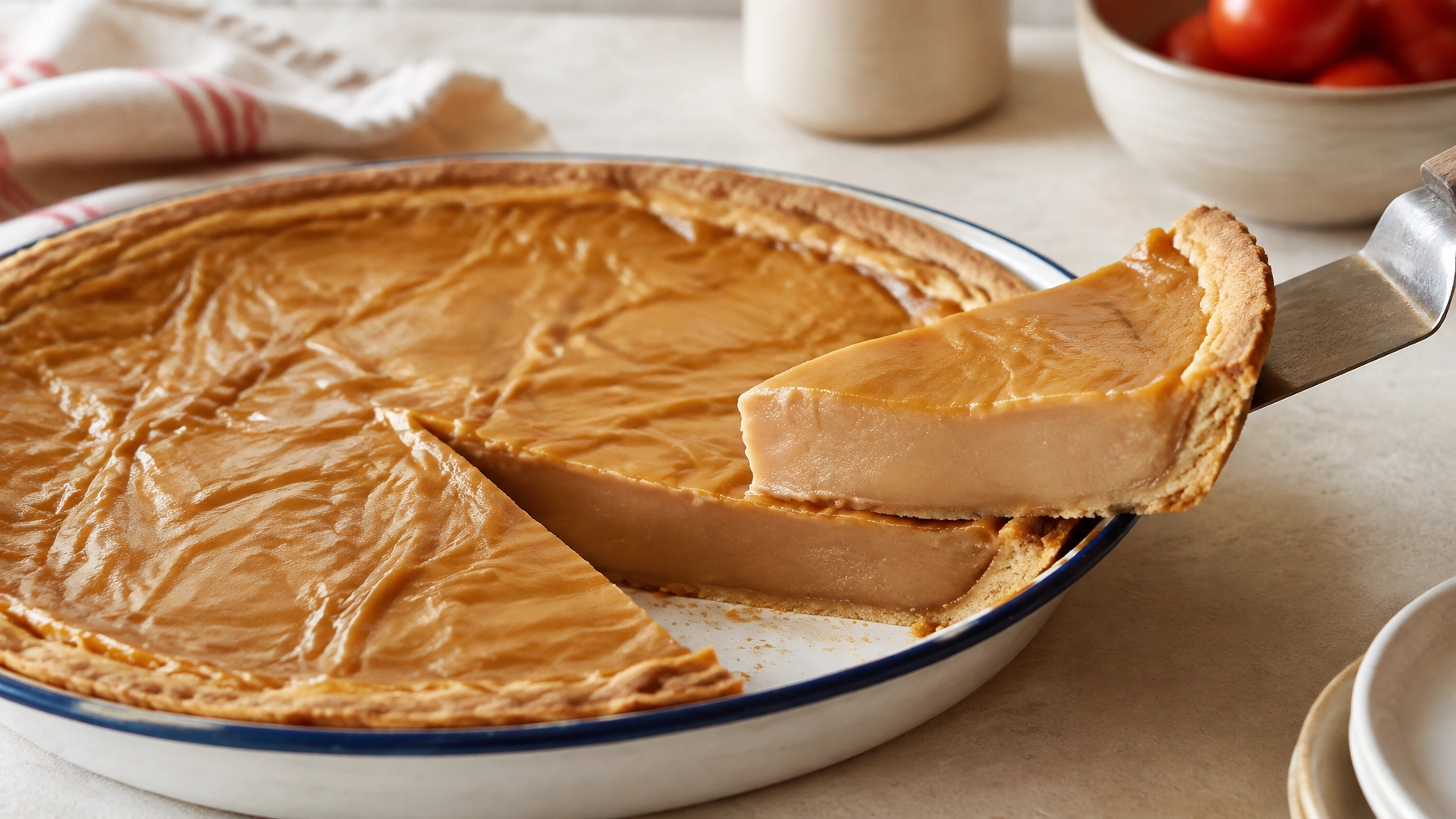
Treacle Tart (Golden Syrup Tart)
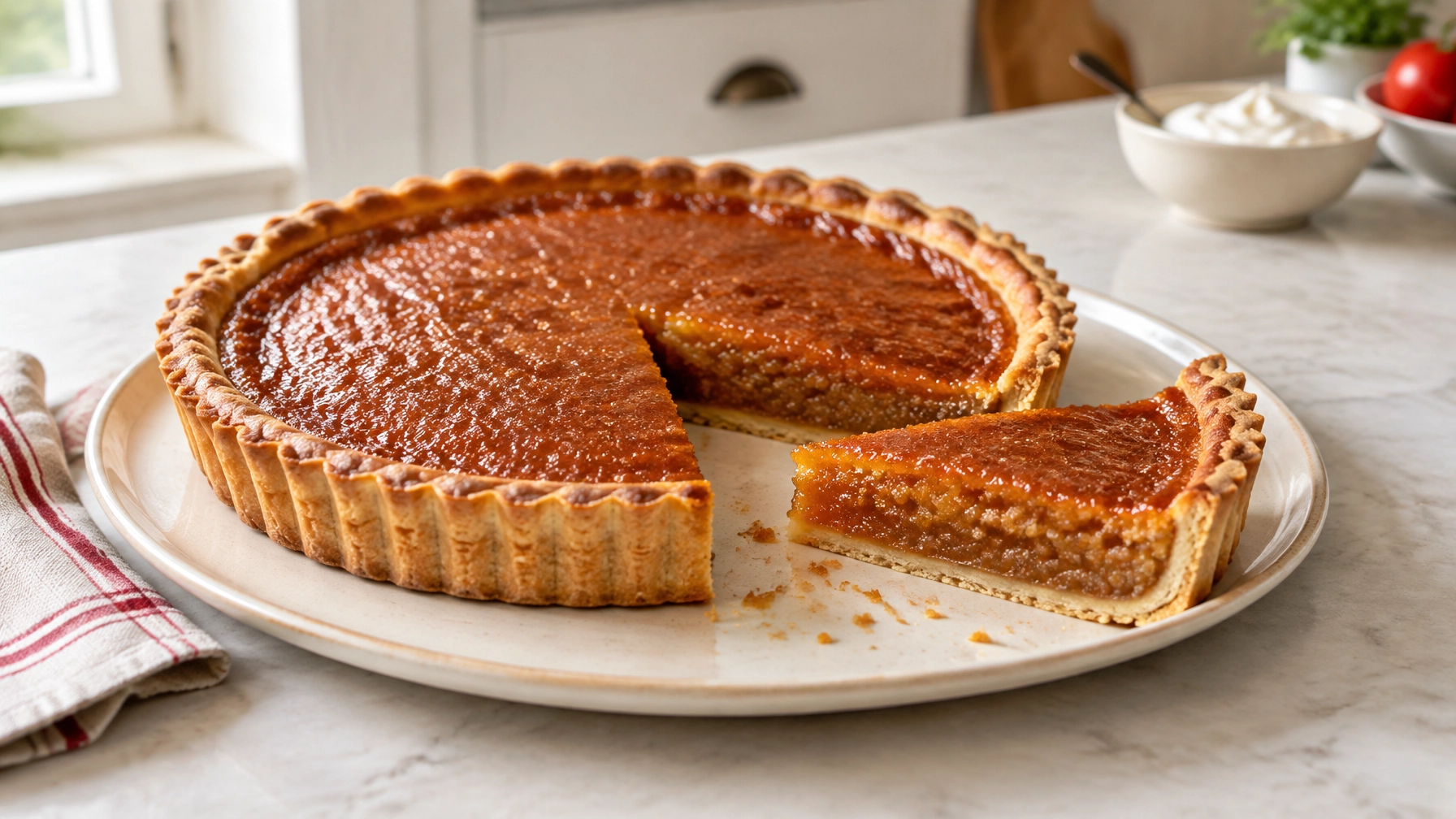
Treacle tart is a British golden syrup dessert with crisp shortcrust pastry and a sweet, lemon-scented breadcrumb filling.
This recipe makes one 23cm tart for eight servings. The pastry is blind-baked before the filling goes in, helping keep the base crisp beneath the syrup.
What treacle tart is
Treacle tart is a British baked tart made with golden syrup, breadcrumbs and pastry. Despite its name, the classic filling usually relies on golden syrup rather than black treacle. Golden syrup gives the tart its familiar light amber colour and mild caramel flavour. Black treacle has a stronger, darker taste and is not a direct substitute.
Fresh breadcrumbs absorb the syrup and give the filling its soft, textured set. Lemon zest and juice provide acidity, balancing the sweetness without making the filling sour. A little ground ginger is optional; it adds warmth without changing the basic character of the tart.
Making the pastry
Keep the butter cold and handle the dough only until it comes together. Warm or overworked pastry can become difficult to roll and may shrink in the oven. Chilling the lined tin before baking helps the pastry hold its shape.
For a finer crumb, rub the butter into the flour until there are no large pieces left. Add the beaten egg gradually. Depending on the flour and egg size, a small amount may remain unused. The dough should be smooth enough to roll, but not sticky.
Blind-baking the case
Blind-baking means baking the pastry case before adding its filling. The paper and baking beans weigh the base down, reducing bubbles and helping the pastry bake evenly. Removing the weights partway through lets the base dry and colour.
Roll the dough slightly larger than the tin so it reaches the edges without stretching. Press it gently into the flutes, then trim the excess. If the pastry tears, patch it with a small piece of dough and press the join closed. A brief rest in the refrigerator firms the butter again.
The filling and finish
Mix the filling just until combined. Avoid whipping air into the syrup, as bubbles can remain visible on the surface after baking. Pour the mixture into the warm pastry case carefully and level it with the back of a spoon if needed.
The tart is ready when the surface is golden and the centre has a slight, gentle wobble rather than looking liquid. It will firm further as it cools. Allow it to settle before cutting; slicing immediately can cause the filling to run and the pastry to break.
Serve warm or at room temperature. Clotted cream or double cream is a traditional accompaniment. A small portion is sufficient: the filling is rich and sweet.
Storing leftovers
Cool the tart, cover it and refrigerate leftovers. The Food Standards Agency advises cooling cooked food and putting it in the fridge within one to two hours. Follow its guidance on chilling, freezing and defrosting food for further storage information.
For clean slices, use a sharp knife and wipe the blade between cuts. If serving the tart warm, reheat only the portion needed and make sure it is hot throughout. Keep cream refrigerated until serving.
Recipe
Servings
8
Prep time
45 minutes, including chilling time
Cook time
45 minutes
Total time
1 hour 30 minutes
Tips
- Warm the tin of golden syrup briefly in hot water if it is too thick to pour. Dry the tin before opening.
- Use fresh, soft breadcrumbs for a tender filling. Very coarse or dry crumbs can produce a firmer texture.
- Do not stretch pastry into the tin. Stretched dough is more likely to shrink as it bakes.
- If the pastry edges begin to brown too quickly during blind-baking, cover them loosely with foil.
- Let the tart cool before slicing. The filling becomes easier to cut as it settles.
Variations
- Ginger: Add a little extra ground ginger or finely chopped stem ginger for a more pronounced spice note.
- Lattice top: Reserve some pastry, roll it thinly and cut into strips. Lay the strips over the filling in a simple lattice before baking. The filling may need a few additional minutes to set.
- Brown breadcrumbs: Replace some of the white breadcrumbs with fine brown-bread crumbs for a deeper, more toasted flavour.
- Citrus: Replace part of the lemon zest with orange zest. Keep the lemon juice to maintain a fresh balance.
FAQ
#### Is treacle tart made with black treacle?
Traditional treacle tart is usually made with golden syrup. Black treacle is darker and more strongly flavoured, so substituting it will change the taste and colour.
#### Why is the pastry blind-baked?
The tart filling is moist and syrup-based. Baking the pastry case first helps the base cook through and reduces the chance of a soggy bottom.
#### How can I tell when the tart is done?
Look for a golden surface and a centre that has set around the edges but moves slightly when the tin is nudged. It will firm as it cools. A liquid-looking centre needs more baking time.
#### Can I make treacle tart ahead?
Yes. Bake it in advance, let it cool, cover it and refrigerate it. Bring it to room temperature before serving, or warm individual portions thoroughly.
#### Can treacle tart be frozen?
It can be frozen once fully cooled and wrapped securely. Defrost it in the refrigerator, then serve chilled or reheat a portion until hot throughout.