Recipe
Servings
Servings 1×
Ingredients
- Tofu
- Chickpeas
- Rice
- Greek yogurt
- Broccoli
- Kale
- Greens
- Avocado
- Lemon
- Lime
- Cooking oil
Method
- Let’s talk about the dressing because, let’s be honest, that’s why we’re all here.
- Use this sequence for success: add your lemon juice or vinegar first.
- Keep it cool, keep it steady, and you’ll get that thick, velvet-like consistency every single time.
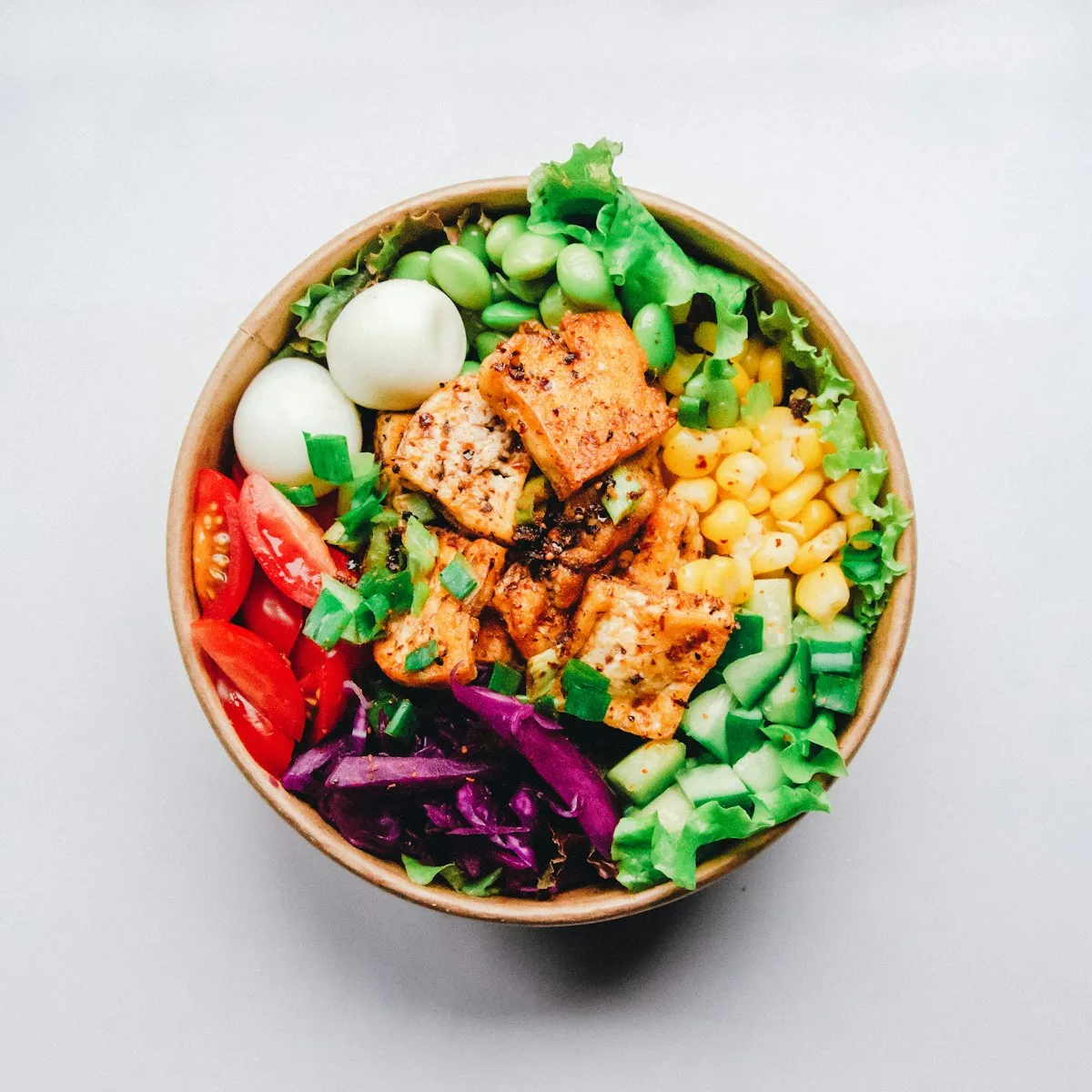
You know that feeling when you want to feel like a culinary deity without actually spending three hours over a hot stove? I’ve been there. Sometimes you just need a bowl that screams "I have my life together" while you’re actually wearing pajamas at noon. This Vibrant Green Goddess Bowl is exactly that. It’s fresh, it’s punchy, and it’s the ultimate grain-free solution for those nights when you want something that feels fancy but requires zero heavy lifting.
The Chemistry of the Perfect Herb Emulsion
Let’s talk about the dressing because, let’s be honest, that’s why we’re all here. A good Green Goddess dressing isn't just a sauce; it’s a delicate herb emulsion. You might think you can just throw everything in a blender and pray, but there’s actual science behind that creamy texture. If you’ve ever ended up with a broken, oily mess, it’s because your emulsifiers didn't have a chance to do their job.
In my kitchen, I lean on Greek yogurt as the secret weapon. It contains proteins that act as a bridge between the water-based lemon juice and the fats in your oil. If you want to keep that vibrant neon green color: and let’s face it, half the fun is the color: you need to watch your pH levels. Chlorophyll, the stuff that makes plants green, starts to throw a tantrum and turn gray if the environment is too acidic for too long.
Use this sequence for success: add your lemon juice or vinegar first. This sets a protective acidic barrier for the herbs. Next, drizzle in a stable oil. Avoid using only extra-virgin olive oil; it oxidizes faster than you can say "healthy dinner ideas." Mix in a bit of high-oleic sunflower oil to keep things stable. Finally, fold in your yogurt by hand. If you blitz it too hard in a food processor, the friction creates heat that denatures those yogurt proteins, and suddenly your dressing is as thin as water. Keep it cool, keep it steady, and you’ll get that thick, velvet-like consistency every single time.
The Thermodynamics of the Five-Minute Crunch
Now, let’s get into the broccoli. We aren't boiling it into a sad, mushy oblivion. We are steaming it, and there’s a very specific reason why. When you steam, you’re using indirect heat. This gentle approach breaks down the tough cell walls of the broccoli just enough to make nutrients like sulforaphane easier for your body to absorb, without leaching the vitamins into a pot of water.
Check your timer; five minutes is the sweet spot. If you go past seven, you’re in the "gray zone." At high heat for too long, the pectin: the "glue" holding the plant cells together: completely dissolves, leaving you with a texture that belongs in baby food, not a gourmet bowl. By keeping the steaming time short, you preserve the chlorophyll and that satisfying snap. It’s one of those quick family meals that actually tastes like it came from a high-end bistro because you respected the vegetable's structural integrity.
Avoid the temptation to microwave it in a plastic bag. The heat is uneven, and you’ll end up with some florets that are raw and others that are shriveled. A proper steamer basket is a non-negotiable tool here. It ensures the steam circulates evenly, giving every piece of broccoli the same fighting chance at perfection.
Elevating the Bowl with Flavor Variations
Once you’ve mastered the base, you can start playing with the architecture of the bowl. If you’re looking for healthy dinner ideas that don't involve a mountain of rice, try using a base of massaged kale or even finely shredded cabbage. The crunch of raw cabbage against the tender, steamed broccoli creates a texture contrast that keeps your palate interested.
For the protein-seekers, you don't always have to stick to the garden. While this bowl is a grain-free superstar on its own, adding a few crispy elements can take it to the next level. If you have an air fryer, you can toss in some chickpeas or tofu cubes. In fact, many air fryer recipes dinner fans love to use the machine to get that deep-fried crunch without the heavy oil. Think about it: a creamy dressing, soft avocado, crunchy cabbage, and air-fried tofu. It’s a texture symphony.
You can also swap the herbs in your dressing. While tarragon and chives are the classic "Goddess" combo, don't be afraid to experiment with cilantro and lime for a zingier, more tropical vibe. Just remember the rule: pulse the herbs dry first to avoid releasing the bitter enzymes that come from over-chopping wet leaves.
Side Dish Pairings for Perfect Balance
Because this bowl is rich, creamy, and earthy, you need side dishes that provide a sharp counterpoint. Balance is everything in cooking; you want something to cut through that yogurt-heavy dressing.
I usually lean toward something with high acidity or a sharp, fermented kick. A small side of quick-pickled red onions is a fantastic choice. The vinegar and the bright pink hue provide both a flavor and a visual pop. If you want something warmer, a simple tomato consommé or a light, lemony broth can cleanse the palate between bites of the rich avocado and dressing.
If you’re serving this as part of a larger spread for quick family meals, keep the sides light. Avoid heavy starches or creamy soups. A simple plate of sliced radishes with a pinch of flaky sea salt works wonders. The peppery bite of the radish acts as a reset button for your taste buds, making every forkful of the Green Goddess bowl feel like the first one.
Green Goddess Bowl Science FAQ
Why did my Green Goddess dressing turn gray the next day?
This is all about the science of chlorophyll degradation. When herbs are blended, their cell walls break, releasing enzymes and acids. If your dressing's pH drops too low, the magnesium in the chlorophyll is replaced by hydrogen, turning the bright green into an unappetizing olive-gray. To prevent this, ensure your herbs are completely dry before blending and store the dressing in an airtight, dark container. The lack of light and oxygen helps slow down the oxidation process.
Can I use frozen broccoli for this bowl?
You can, but the texture will be significantly different. Frozen broccoli is usually blanched before freezing, which already starts the breakdown of the pectin in the cell walls. When you steam it from frozen, the ice crystals have already punctured the cell structures, leading to a much softer, sometimes watery result. If you must use frozen, steam it for half the time you would fresh broccoli to avoid a total mush-fest.
My dressing is bitter: what happened?
Bitterness usually comes from one of two things: the herbs or the oil. If you over-process extra-virgin olive oil in a high-speed blender, the rapid blade movement can cause the polyphenols to break down and release a sharp, bitter flavor. Similarly, if you use old herbs or pulse them too long, you’re releasing more of their bitter defense compounds. Use a neutral oil for the bulk of the dressing and always pulse the herbs rather than running the blender on high.
How do I fix a dressing that has "split" or separated?
A split dressing happens when the oil and the water-based ingredients decide they no longer want to be friends. This usually happens if the oil was added too quickly. To fix it, take a tablespoon of Greek yogurt or a teaspoon of mustard (another great emulsifier) in a clean bowl. Slowly, drop by drop, whisk your broken dressing into the new base. The fresh emulsifiers will help pull the oil and liquid back together into a smooth sauce.
Is steaming really better than roasting for this bowl?
In the context of healthy dinner ideas, both have their place, but for this specific bowl, steaming is king. Roasting creates Maillard reaction products (those tasty brown bits), but it also dehydrates the vegetable. Since the Green Goddess bowl is meant to be "vibrant" and "fresh," the moisture retained in steamed broccoli complements the creamy dressing much better than the dry, charred edges of roasted broccoli would. Plus, steaming keeps those cancer-fighting glucosinolates more intact than high-heat roasting does.