Recipe
Servings
Servings 1×
Ingredients
- Chicken
- Pork
- Tofu
- Carrots
- Greens
- Avocado
- Apple
- Onion
- Garlic
- Lemon
- Cooking oil
- Soy sauce or tamari
- Sesame
- Chili seasoning
- Black pepper
Method
- Pat those shreds dry with a clean towel before they even think about touching the pan.
- Add your oil, choose something with a high smoke point like avocado or grapeseed oil, and wait for it to shimmer.
- Let the vegetable sit undisturbed for two to three minutes so it can develop that beautiful crust.
- Use a spatula to peek underneath; once you see deep gold, give it a toss.
- Remove the crispy bits, but keep that liquid gold, the fat, to sear your cabbage.
- Finish with a heavy crack of black pepper and a splash of apple cider vinegar to cut through the richness.
If you still associate cabbage with soggy, pale shreds or a lingering smell that haunts your kitchen for days, it is time for a serious culinary intervention. The humble cabbage has officially moved out of the "boring slaw" category and straight into the spotlight as one of the most underrated healthy dinner ideas available to the modern home cook. Why? Because when you throw it in a hot skillet, something magical happens. It transforms from a crunchy, sulfurous vegetable into a nutty, caramelized masterpiece that rivals any high-end side dish. It is fast, dirt cheap, and remarkably soulful.
The Science of the Sear: Mastering the Maillard Reaction
The secret behind a world-class cabbage skillet isn't a complex spice blend; it is chemistry. To get those deeply flavored, golden-brown edges, you must trigger the Maillard reaction. This is the chemical dance between amino acids and reducing sugars that occurs when food hits high heat. In cabbage, this process creates hundreds of new flavor compounds that taste roasty and savory.
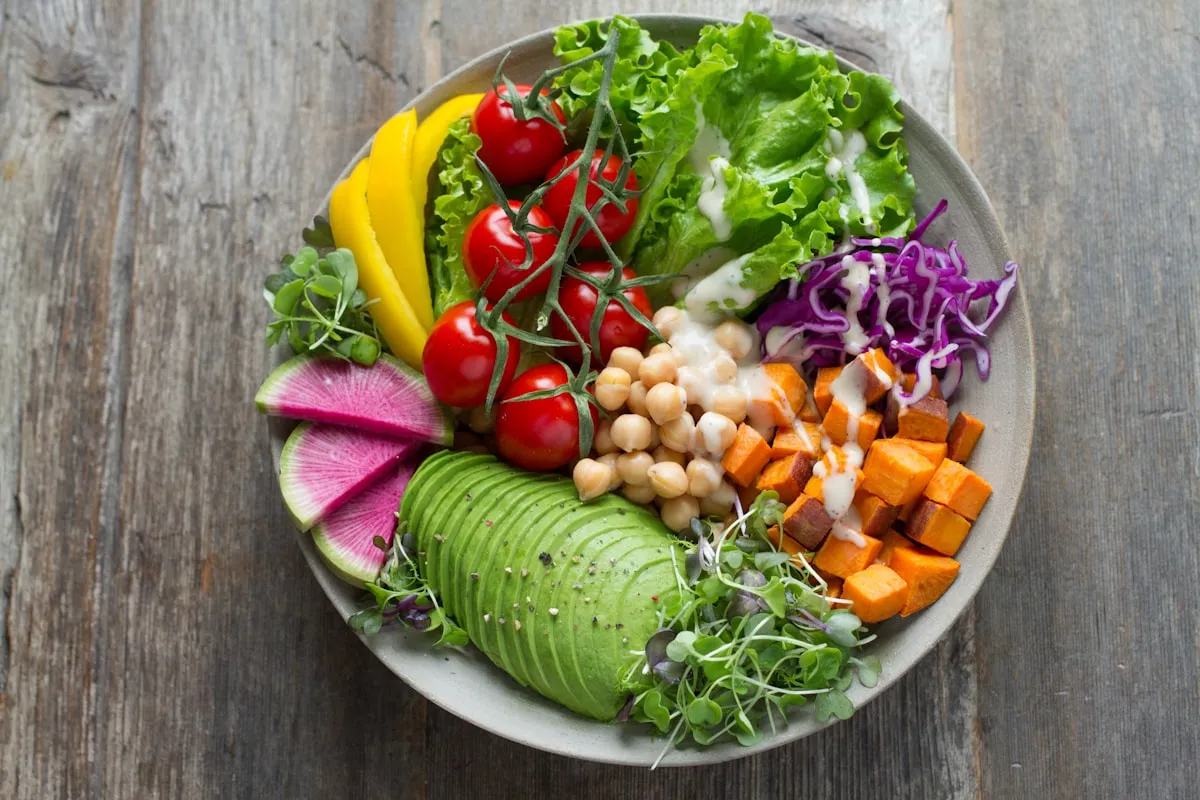
To achieve this, you have to follow a few non-negotiables. First, dry your cabbage. If your cabbage is wet from the rinse, it will steam instead of sear. Water is the enemy of the Maillard reaction because it keeps the surface temperature at the boiling point (212°F), whereas browning requires temperatures closer to 300°F. Pat those shreds dry with a clean towel before they even think about touching the pan.
Second, preheat your skillet until it is screaming hot. A heavy-duty cast iron or stainless steel pan is your best friend here because they retain heat better than thin aluminum. Add your oil, choose something with a high smoke point like avocado or grapeseed oil, and wait for it to shimmer.
Third, and perhaps most importantly, do not overcrowd the pan. If you pile three pounds of cabbage into a small skillet, the moisture released by the bottom layer will be trapped by the top layer. You’ll end up with a grey, limp mess. Work in batches if you have to. Once the cabbage hits the oil, leave it alone. Resist the urge to stir every ten seconds. Let the vegetable sit undisturbed for two to three minutes so it can develop that beautiful crust. Use a spatula to peek underneath; once you see deep gold, give it a toss.
Finally, manage your aromatics. Adding garlic or delicate herbs at the very beginning is a rookie mistake. They will burn and turn bitter long before the cabbage is properly browned. Sizzle your aromatics in a small clear space in the center of the pan only during the last sixty seconds of cooking. This ensures a fragrant finish without the acrid taste of scorched garlic.
Flavor Profiles and Variations
One of the reasons cabbage skillets have become a staple for quick family meals is their incredible versatility. You can take the base technique and steer it in any global direction depending on what is in your pantry.
For a Keto-friendly powerhouse, start by rendering bacon or pancetta in the pan first. Remove the crispy bits, but keep that liquid gold, the fat, to sear your cabbage. The smoky, salty pork fat infuses the leaves with an intensity that makes this feel like a luxury meal. Finish with a heavy crack of black pepper and a splash of apple cider vinegar to cut through the richness.
If you are leaning toward plant-based or vegan options, try an Asian-inspired profile. Once your cabbage is browned, deglaze the pan with a splash of soy sauce and a teaspoon of toasted sesame oil. The sugars in the soy sauce will quickly caramelize on the hot surface, adding a deep umami punch. Top it with toasted sesame seeds and chili crisp for a meal that hits every flavor note: salty, sweet, spicy, and savory.
For those who love a bit of texture, consider adding thinly sliced onions or even shredded carrots halfway through. The onions will caramelize alongside the cabbage, adding a natural sweetness that balances the earthy notes of the greens. If you’re looking for more quick family meals that utilize one-pan techniques, checking out our guide on one-pan cacio e pepe can provide further inspiration for minimalist cooking.
The Perfect Balance: Side Dish Pairings
While a cabbage skillet can certainly stand on its own, especially if you’ve added some protein like crumbled sausage or tofu, it truly shines when paired with components that offer contrast. Because sautéed cabbage is inherently rich, sweet, and nutty, you need acidity and freshness to round out the plate.
A simple squeeze of fresh lemon juice right before serving is the easiest way to "wake up" the dish. If you want something more substantial, serve it alongside a bright arugula salad. The peppery bite of the greens and the sharpness of a vinaigrette act as a palate cleanser between bites of the savory skillet.
For a fuller dinner, this dish is a natural companion to grilled sausages or roasted chicken. Interestingly, while the skillet is the traditional method, many home cooks are exploring air fryer recipes dinner styles to achieve similar textures. You can actually toss your seasoned cabbage in the air fryer at 400°F for a "roasted" effect that mimics the skillet sear with even less hands-on time. This is particularly helpful if your stovetop is already occupied with other healthy dinner ideas, like a quick grain bowl or a simmering soup.
Frequently Asked Questions
Why does my cabbage always turn out soggy?
Sogginess is almost always caused by two things: too much moisture or too low a temperature. Make sure your cabbage is bone-dry before it hits the pan. Also, ensure you aren't covering the skillet with a lid. Covering traps the steam, which effectively boils the cabbage from the inside out. Keep the lid off and the heat high to let that moisture escape.
Can I use any type of cabbage?
Yes, but they behave differently. Green and red cabbage are the most common and hold their shape well under high heat. Red cabbage will take slightly longer to soften and may "bleed" its color onto other ingredients (add a splash of acid like vinegar to keep the color vibrant). Savoy cabbage, with its crinkly leaves, develops amazing crispy edges but cooks faster, so keep a close eye on it.
How do I get rid of that "cabbage smell"?
The notorious smell comes from sulfur compounds that are released when cabbage is overcooked or boiled for a long time. By using the high-heat skillet method, you are cooking the cabbage quickly: usually under 10 minutes. This rapid cooking prevents those sulfur compounds from fully developing, leaving you with a sweet, nutty aroma instead.
Is this a good meal-prep option?
Absolutely. Cabbage is a hearty vegetable that doesn't wilt as easily as spinach or kale. You can sear a large batch on Sunday and reheat it in a dry pan throughout the week. It actually holds its texture remarkably well in the fridge.
Can I make this in an air fryer?
While this post focuses on the skillet, you can definitely use an air fryer. Much like other air fryer recipes dinner favorites, the air fryer circulates hot air to crisp up the edges. However, the skillet allows for better "fond" development: those tasty brown bits stuck to the bottom of the pan that you can deglaze for extra flavor.
What is the best way to cut it for a skillet?
Aim for "ribbons" about half an inch wide. If they are too thin (like a fine slaw), they will vanish into mush. If they are too thick, the outside will burn before the inside is tender. Consistent thickness ensures everything finishes at the same time.
{“@type”:”BlogPosting”,”image”:[“https://cdn.marblism.com/FcWV1pm5Sol.webp”,”https://cdn.marblism.com/8kd75Ovg_UC.webp”,”https://cdn.marblism.com/5cclVISfCnB.webp”,”https://cdn.marblism.com/giuprc9_rms.webp”],”author”:{“name”:”Cookpedia”,”@type”:”Organization”},”@context”:”https://schema.org”,”headline”:”Why Everyone Is Talking About Cabbage Skillets (And You Should Too)”,”publisher”:{“logo”:{“url”:”https://cookpedia.com/logo.png”,”@type”:”ImageObject”},”name”:”Cookpedia”,”@type”:”Organization”},”description”:”Discover why the cabbage skillet is the ultimate budget-friendly, one-pot meal. Learn the science of the Maillard reaction and tips for the perfect sear.”,”datePublished”:”2026-06-14″,”mainEntityOfPage”:{“@id”:”https://cookpedia.com/why-everyone-is-talking-about-cabbage-skillets”,”@type”:”WebPage”}}