Recipe
Servings
Servings 1×
Ingredients
- Chicken
- Pasta
- Noodles
- Rice
- Greek yogurt
- Broccoli
- Tomatoes
- Onion
- Garlic
- Lemon
- Honey
- Cream
- Butter
- Cooking oil
- Chili seasoning
- Salt
- Black pepper
Method
- Prepare the ingredients described in the article and heat the cooking surface or oven as directed.
- Cook the main ingredients using the heat and timing guidance in the article.
- Finish with the seasonings and garnishes named in the article, then serve.
I’ve always been a firm believer that the best meals aren't necessarily the ones that take four hours to simmer. Sometimes, the most mind-blowing flavors come from a simple, clever tweak to your pantry staples. Enter "swicy": the portmanteau of sweet and spicy that has taken the culinary world by storm. While you might associate this profile with Korean fried chicken or hot honey wings, bringing it into the world of simple pasta recipes is a total game-changer. It’s vibrant, it’s comforting, and it’s going to make your Tuesday night dinner feel like a five-star event.
The Sensory Science of the Swicy Spark
To understand why swicy pasta works, we have to look at how your brain processes heat. Spiciness isn't actually a "taste" in the way sweet or salty is; it’s a pain signal. When you bite into a chili flake, capsaicin triggers the TRPV1 receptors on your tongue: the same ones that tell you when something is physically hot or burning. Sweetness, on the other hand, is a fundamental taste that sends a "safe and high-energy" signal to your reward centers.
When you combine the two, something magical happens. The sweetness acts as a buffer, masking the harsh, bitter edges of the spice and slowing down the "burn." This allows you to appreciate the floral, fruity notes of the pepper rather than just the heat. It’s why a spicy tomato sauce with caramelized onions feels so much more "complete" than one that’s just pure fire.
The secret to mastering this at home lies in your aromatics. Always give your onions and tomato paste enough time to caramelize in the pan before adding liquids. That deep, natural sweetness from the browning process (thanks, Maillard reaction!) provides a much more sophisticated base than just dumping in a spoonful of sugar later. If you're looking for quick family meals that pack a punch, focusing on this sweet-spicy balance is the fastest way to upgrade your cooking without adding extra steps.
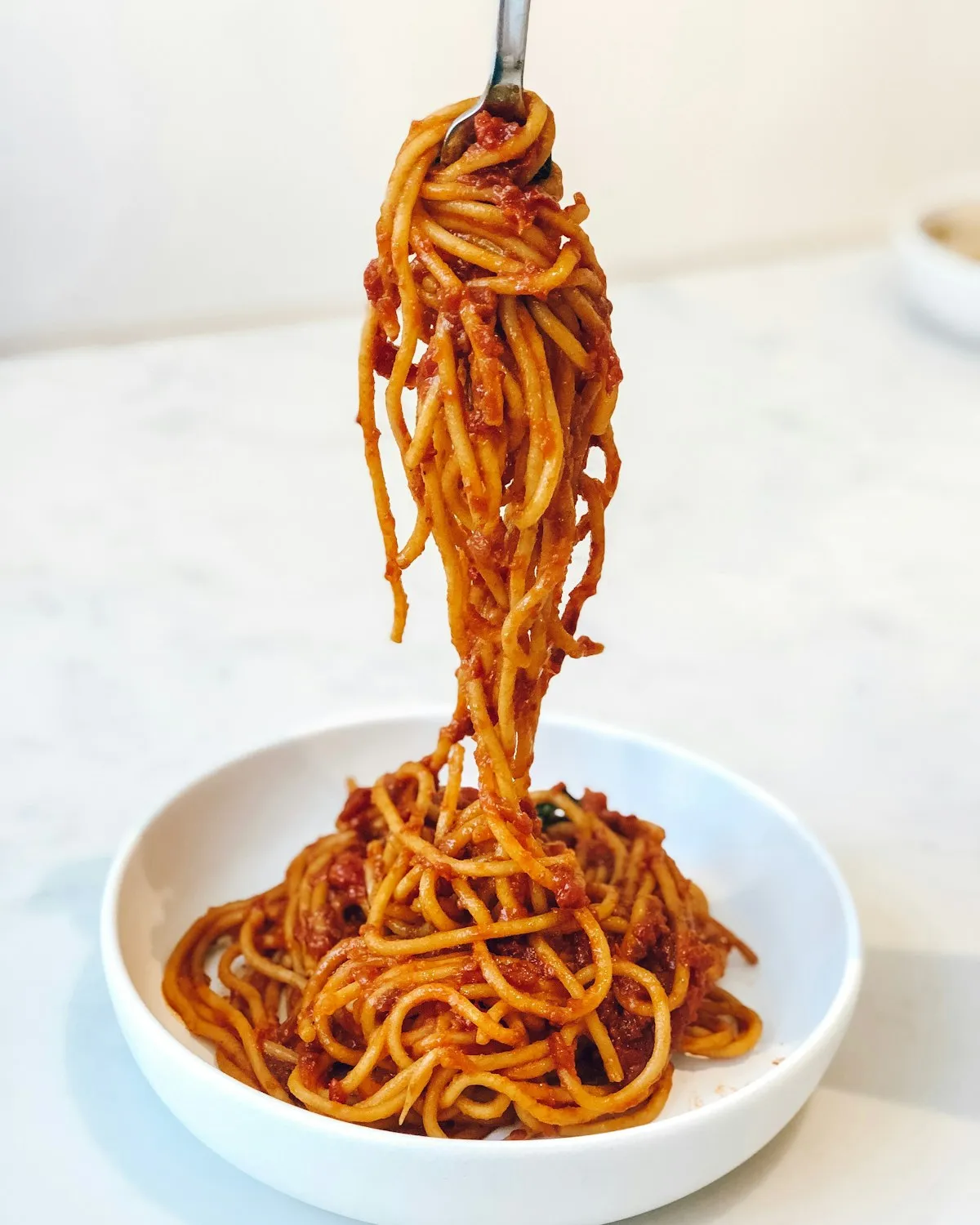
Don't forget the role of fat and dairy. Capsaicin is fat-soluble, meaning it dissolves in things like butter, cream, or olive oil. By incorporating a splash of heavy cream or a knob of butter into your swicy sauce, you're essentially "rounding off" the spicy molecules. Instead of a sharp, stinging heat, you get a warm, glowing sensation that lingers pleasantly. It’s the difference between a slap in the face and a warm hug. When you're browsing for healthy dinner ideas, you can achieve a similar effect using a dollop of Greek yogurt or a splash of starchy pasta water to emulsify the oils.
Exploring Swicy Variations
Once you’ve mastered the basic balance, you can start playing with the "sources" of your sweet and spicy notes. For the heat, move beyond standard red pepper flakes. Try Calabrian chili paste for a smoky, fermented depth, or even a dash of Sriracha for a vinegary kick. If you want a cleaner heat, fresh Fresno chilies sautéed with your garlic are fantastic.
On the sweet side, the options are even more exciting. Honey is the obvious choice: drizzled over a spicy vodka sauce, it’s transformative. But you can also lean into fruitiness. Sun-dried tomatoes offer a concentrated, chewy sweetness that pairs beautifully with spicy Italian sausage. Alternatively, roasted red peppers can be blended into a silky, naturally sweet base that needs very little added sugar to reach that swicy sweet spot.
For those who love global fusion, try a "Gochujang Pasta." The Korean chili paste is inherently swicy because it’s fermented with glutinous rice. Toss it with some heavy cream, garlic, and your favorite noodle shape, and you have a 15-minute meal that tastes like it took all day. It’s one of those quick family meals that usually ends with everyone asking for seconds.
Perfect Side Dish Pairings
Because swicy pasta is such a "loud" dish: heavy on the tongue and firing on multiple sensory cylinders: your side dishes need to provide a clean, sharp contrast. You want to aim for high acidity and crunch to reset your palate between bites.
A simple arugula salad with a heavy lemon vinaigrette is my go-to. The peppery bite of the greens mirrors the spice of the pasta, while the lemon juice cuts right through the richness of the sauce. Avoid anything too heavy or creamy as a side; you don’t want to overwhelm your taste buds with fat.
If you're feeling a bit more adventurous, try quick-pickled cucumbers or red onions. The vinegar tang provides a bright "zip" that makes the sweetness in the pasta pop. Alternatively, a side of roasted broccoli charred in the air fryer recipes dinner style: tossed with just lemon and sea salt: adds a bitter, earthy counterpoint that balances the honey or tomato sweetness in the main dish.
Frequently Asked Questions
What if I make my pasta too spicy?
Don't panic and don't throw it out! The easiest way to fix a sauce that’s gone over the edge is to increase the fat and sweetness. Add another splash of cream, a bigger knob of butter, or a teaspoon of honey. The fat will help coat your tongue and prevent the capsaicin from binding to your receptors as intensely, while the sweetness will mask the "pain" signal. You can also add more bulk: like extra pasta or sautéed vegetables: to dilute the spice concentration.
Can I make swicy pasta without adding refined sugar?
Absolutely. In fact, I prefer it that way. Rely on "slow-burn" sweetness from vegetables. Sautéing onions for 10–15 minutes until they are golden and jammy provides a deep, complex sweetness. Using high-quality canned San Marzano tomatoes or adding roasted bell peppers to the blender also creates a naturally sweet profile. If you're looking for healthy dinner ideas, these whole-food sources are much better for you and provide better flavor.
Is swicy food safe for kids?
It depends on the child, but the beauty of the swicy profile is that the sweetness makes the spice much more approachable for "beginner" palates. If you're cooking for kids, start with a very mild heat: think a tiny pinch of chili flakes: and keep the sweetness and creaminess high. It’s a great way to gently expand their palate beyond plain buttered noodles.
How do I reheat swicy pasta without it losing its kick?
Spiciness often intensifies as it sits, but the "sweetness" can sometimes fade into the background. When reheating, add a tiny splash of water or milk to loosen the sauce. If it tastes a bit flat, add a fresh squeeze of lemon or a tiny drizzle of honey right before serving to wake up those swicy notes again.
Does the type of pasta shape matter?
For swicy sauces, I always recommend shapes with ridges or holes: like rigatoni, penne, or fusilli. These "sauce traps" ensure that every bite has the perfect ratio of sweet-spicy sauce to pasta. Long, thin noodles like spaghetti are okay, but they tend to let the heavier ingredients (like chili flakes or sun-dried tomatoes) sink to the bottom of the bowl.
Can I use this technique for other dishes?
Definitely. While we're focusing on pasta here, the swicy principle works for almost any air fryer recipes dinner you might be planning. Try a spicy soy-ginger glaze on salmon or a hot honey drizzle on roasted carrots. Once you understand the science of the sweet-spicy balance, you'll start seeing opportunities for it everywhere in your kitchen.
{“@type”:”FAQPage”,”@context”:”https://schema.org”,”mainEntity”:[{“name”:”What if I make my pasta too spicy?”,”@type”:”Question”,”acceptedAnswer”:{“text”:”Increase the fat and sweetness by adding extra cream, butter, or honey. Fat helps dissolve capsaicin, while sweetness masks the heat signal.”,”@type”:”Answer”}},{“name”:”Can I make swicy pasta without adding refined sugar?”,”@type”:”Question”,”acceptedAnswer”:{“text”:”Yes, rely on natural sweetness from caramelized onions, roasted red peppers, or high-quality canned tomatoes like San Marzano.”,”@type”:”Answer”}},{“name”:”Is swicy food safe for kids?”,”@type”:”Question”,”acceptedAnswer”:{“text”:”Yes, start with very mild heat. The sweetness in swicy dishes actually makes the spice more palatable for children who are still developing their taste for heat.”,”@type”:”Answer”}},{“name”:”How do I reheat swicy pasta without it losing its kick?”,”@type”:”Question”,”acceptedAnswer”:{“text”:”Add a splash of water or milk when reheating, and refresh the flavors with a squeeze of lemon or a tiny drizzle of honey before serving.”,”@type”:”Answer”}}]}