Recipe
Servings
Servings 1×
Ingredients
- Tofu
- Pasta
- Noodles
- Rice
- Broccoli
- Zucchini
- Greens
- Cucumber
- Garlic
- Fresh ginger
- Lime
- Peanut butter
- Coconut milk
- Cream
- Butter
- Cooking oil
- Soy sauce or tamari
- Sesame
Method
- Prepare the ingredients described in the article and heat the cooking surface or oven as directed.
- Cook the main ingredients using the heat and timing guidance in the article.
- Finish with the seasonings and garnishes named in the article, then serve.
You’ve probably been there: you’re trying to eat a bit lighter, you spiralize a mountain of fresh zucchini, and five minutes into the pan, you’re staring at a soggy, puddle-filled mess. It’s a classic kitchen heartbreak. But listen, I’ve cracked the code on how to turn those "zoodles" into a high-heat, restaurant-quality stir-fry that actually stays crisp. This dish is one of my favorite plant-based dinner ideas because it hits that sweet spot of creamy, spicy, and fresh without leaving you feeling weighed down.
The Science of the Perfect Crunch
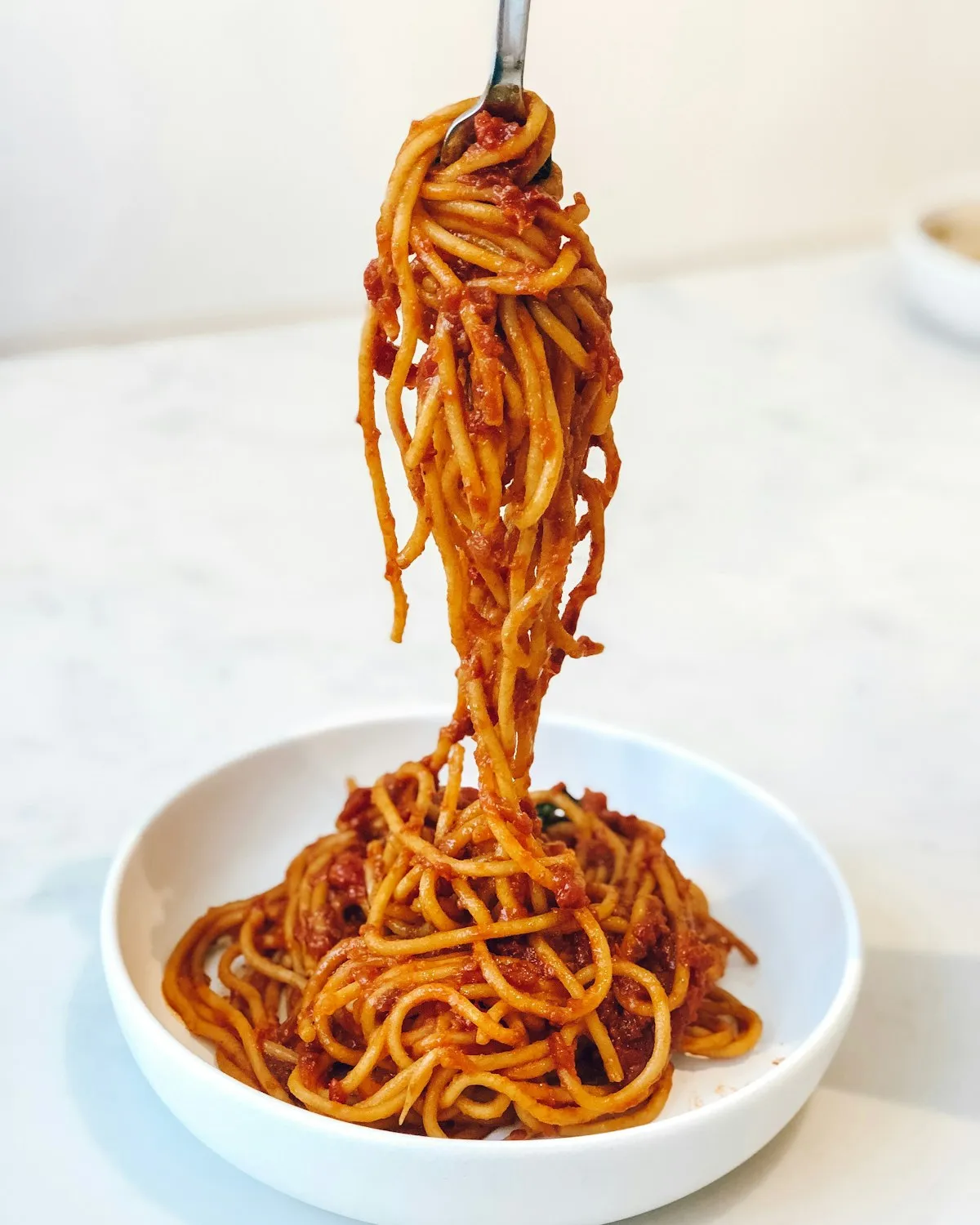
The biggest hurdle with zucchini is its water content. Zucchini is roughly 95% water, held together by a delicate network of cell walls and pectin. When you apply heat, those cell walls collapse, releasing water like a broken dam. To master this stir-fry, you have to understand the battle between evaporation and cell breakdown.
First, consider the "osmosis" strategy. If you have the time, salt your raw noodles in a colander for about twenty minutes. The salt draws the moisture out of the cells before they even hit the pan. If you skip this, you’re relying entirely on evaporation. This is where your pan choice becomes critical. Use a wide wok or a large skillet; you want as much surface area as possible. If you crowd the pan, you aren't sautéing, you’re steaming. High heat is non-negotiable. You want to flash-cook these in about two to three minutes. Any longer and the pectin turns to mush.
When looking for healthy dinner ideas, we often sacrifice texture for nutrition, but you don't have to. The secret to that professional finish is keeping the "carryover cooking" in mind. Take the noodles off the heat while they still have a slight snap. They will continue to soften for a minute once they are plated. Much like achieving the perfect glossy sauce in pasta, the goal here is a coating that clings rather than a soup that pools.
Emulsion and the Power of Peanut
The peanut sauce isn't just a flavor bomb; it's a structural component. A thin, watery sauce will only encourage your zucchini to release more liquid. You want an emulsion. Peanut butter is naturally rich in fats and proteins that act as stabilizers. When you whisk it with lime juice and soy sauce, add your liquid, water or coconut milk, very gradually. If you dump all the liquid in at once, the emulsion breaks, and you end up with a grainy, separated mess.
Aim for a consistency similar to heavy cream. Once you pour it over the hot vegetables, the heat will actually help it thicken further as it bonds with the starches and proteins in the dish. I always recommend building the sauce separately and adding it at the very last second. This protects the zucchini from sitting in hot liquid for too long. If you're a fan of the "set it and forget it" style of air fryer recipes dinner, you might find the active tossing of a stir-fry a bit more hands-on, but the reward is a vibrancy you just can't get any other way.
Bold Variations for Your Kitchen
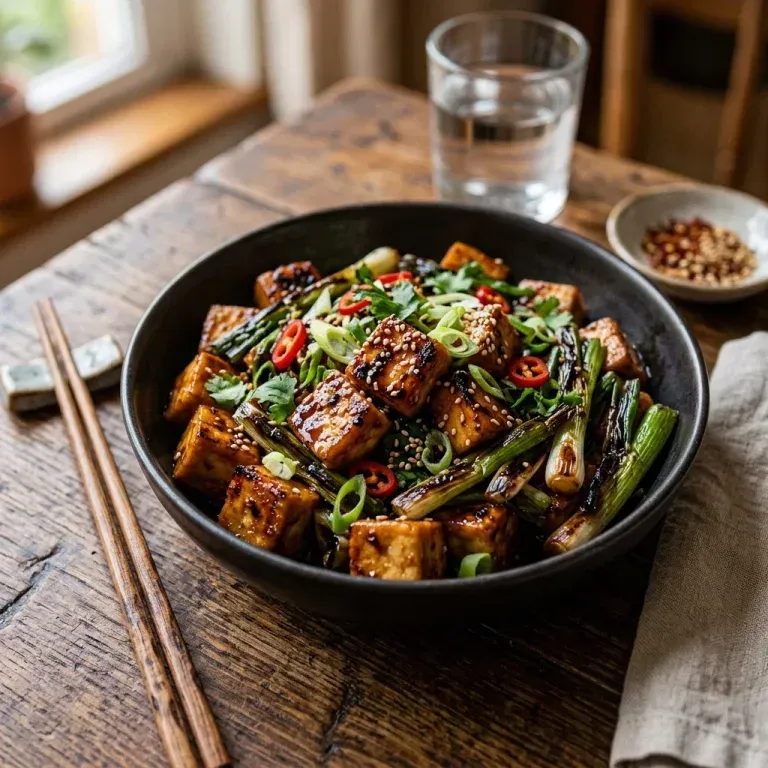
While the zucchini is the star, the supporting cast makes the meal. For those seeking healthy weeknight dinners with a protein punch, crispy tofu is the gold standard. Press your tofu well to remove moisture, then sear it until it’s golden and tough-skinned. This provides a necessary textural contrast to the soft noodles.
If you want to move away from the traditional, try swapping the peanut butter for almond or cashew butter. Almond butter offers a more neutral, earthy base, while cashew butter adds an almost buttery richness that pairs beautifully with a squeeze of orange juice. Don't be afraid to lean into the aromatics. Freshly grated galangal or ginger can cut through the heavy fats of the nut butter, bringing a sharp, bright note that keeps the dish from feeling too "one-note." For those nights when you need quick family meals, you can even throw in some pre-shredded cabbage or "slaw" mix to add bulk and extra crunch without adding prep time.
Balancing the Plate: Pairings
A rich peanut sauce needs a partner that can cut through the fat. I always serve this with something high in acidity and crunch. A chilled cucumber salad, marinated in rice vinegar, a splash of sesame oil, and a pinch of sugar, is the perfect antidote to the creamy stir-fry. The cold temperature of the cucumbers contrasts with the steaming noodles, waking up your palate between bites.
If you’re looking for something heartier, a side of quick-pickled radishes or even a simple smashed garlic broccoli works wonders. If you happen to be cooking for a crowd that loves more traditional textures, you can serve these zoodles alongside a small portion of air-fried proteins. Much like the efficiency of an air fryer sausage and pepper medley, combining your stir-fry with a quick-cooking protein ensures dinner is on the table in under twenty minutes.
Frequently Asked Questions
Can I make these noodles ahead of time?
Honestly? Avoid it if you can. Zucchini noodles begin to weep water the moment they are cut. If you must prep ahead, spiralize them and store them in an airtight container lined with a thick layer of paper towels. Do not add salt until you are ready to cook, or you’ll find a container full of juice and limp greens the next morning.
Why did my peanut sauce turn into a thick paste in the pan?
This usually happens because the heat was too high or the sauce sat for too long. Peanut butter is full of solids that soak up liquid as they heat. If your sauce seizes up, don’t panic. Add a tablespoon of warm water (or even the "pasta water" equivalent of zucchini juice from the bottom of the pan) and whisk vigorously. It should loosen right back up into a glossy glaze.
Can I freeze zucchini noodles?
Please, don't do it. The freezing process creates ice crystals that puncture the cell walls of the zucchini. When you thaw them, those cells have zero structural integrity left. You’ll end up with a pile of translucent mush that no amount of peanut sauce can save. This is a dish best enjoyed fresh from the wok.
What if I don't have a spiralizer?
You can still enjoy this! Use a standard vegetable peeler to create long, thin "ribbons." These ribbons actually cook more evenly than round noodles and have a beautiful, elegant look on the plate. They are slightly more delicate, so reduce your cooking time by about thirty seconds to ensure they don't overcook.
Is this dish kid-friendly?
Absolutely. Most kids love the "fun" shape of the noodles and the familiar, savory taste of peanut butter. If they are sensitive to spice, just leave out the chili flakes and let the adults add sriracha at the table. It's one of those quick family meals that satisfies everyone without requiring three different pots.
{“@type”:”BlogPosting”,”image”:”https://cdn.marblism.com/nL29La1Y5OX.webp”,”author”:{“name”:”Cookpedia”,”@type”:”Organization”},”@context”:”https://schema.org”,”headline”:”Zucchini Noodle Stir-Fry with Peanut Sauce”,”keywords”:”plant-based dinner ideas, healthy weeknight dinners, air fryer recipes dinner, quick family meals, healthy dinner ideas”,”publisher”:{“logo”:{“url”:”https://cookpedia.com/logo.png”,”@type”:”ImageObject”},”name”:”Cookpedia”,”@type”:”Organization”},”description”:”Master the science of the perfect zucchini noodle stir-fry. Learn how to avoid sogginess and create a creamy, emulsified peanut sauce for a healthy, plant-based dinner.”,”datePublished”:”2026-05-22″,”mainEntityOfPage”:{“@id”:”https://cookpedia.com/zucchini-noodle-stir-fry-peanut-sauce”,”@type”:”WebPage”}}