Recipe
Servings
Servings 1×
Ingredients
- Steak
- Tofu
- Quinoa
- Rice
- Cauliflower
- Mushrooms
- Peas
- Cucumber
- Garlic
- Fresh ginger
- Lime
- Cooking oil
- Soy sauce or tamari
- Sesame
- Chili seasoning
- Salt
Method
- Prepare the ingredients described in the article and heat the cooking surface or oven as directed.
- Cook the main ingredients using the heat and timing guidance in the article.
- Finish with the seasonings and garnishes named in the article, then serve.
Let’s be real: at the end of a long Tuesday, the last thing you want is a kitchen project that takes longer to cook than it does to eat. You need something fast, punchy, and actually good for you. This beef and snap pea stir-fry is my absolute go-to when I’m staring at the fridge with zero patience. It’s the ultimate solution for anyone hunting for quick family meals that don't come out of a cardboard box. It’s salty, sweet, and has that satisfying crunch that makes home cooking feel like a total win.
The Science of the Sizzle: Master Your Technique
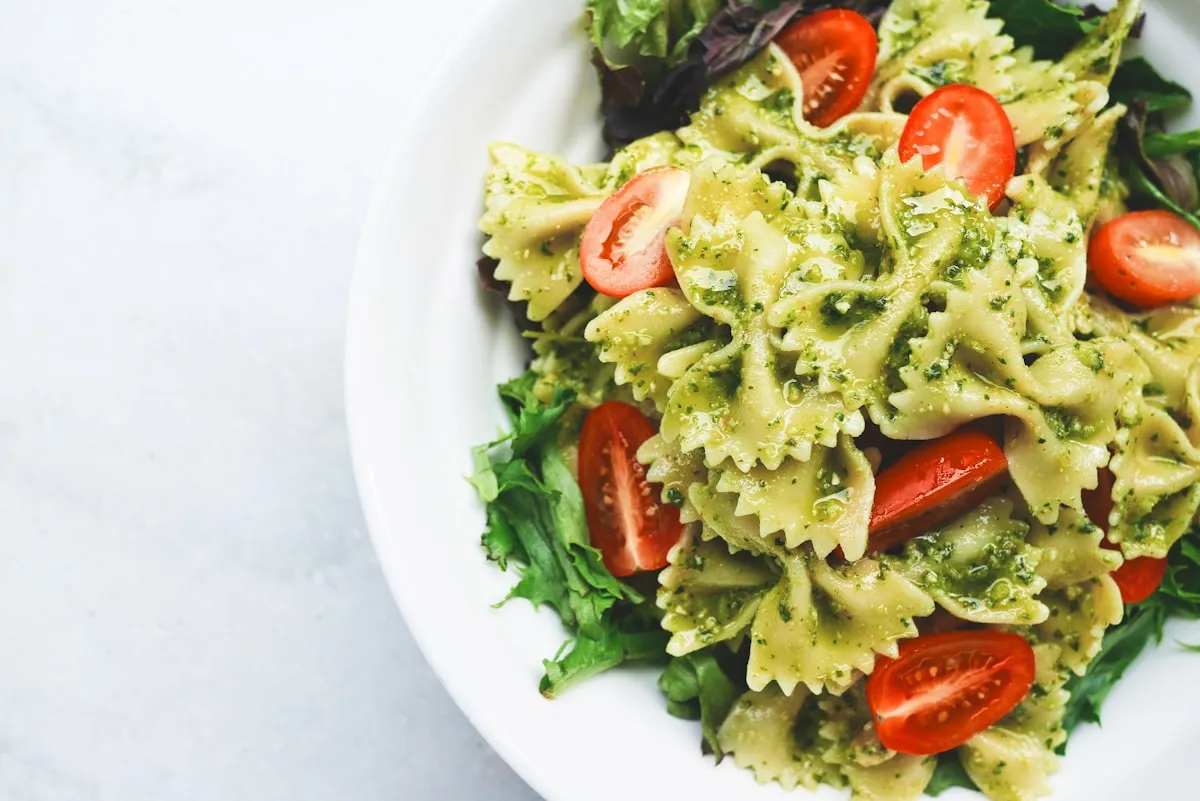
If you’ve ever wondered why your home stir-fry tastes more like "boiled beef in brown water" and less like the vibrant dishes at your favorite local spot, it usually comes down to heat management and meat preparation. To get those healthy dinner ideas onto the table in 15 minutes, you have to understand the science of the sear.
First, let’s talk about "velveting." This is the secret weapon of professional kitchens. By tossing your sliced beef in a tiny bit of cornstarch or even a pinch of baking soda, you create a protective barrier. The baking soda actually changes the pH level on the surface of the meat, hindering the proteins from bonding too tightly when they hit the heat. This results in beef that is incredibly tender and "velvety," rather than chewy. The cornstarch, meanwhile, helps facilitate the Maillard reaction, that magical chemical reaction between amino acids and reducing sugars that gives browned food its distinctive, savory flavor.
Crowding the pan is the quickest way to ruin your dinner. When you dump too much cold meat into a skillet at once, the temperature of the pan plummets. Instead of searing, the meat begins to release its juices and essentially steams in its own liquid. This is how you end up with gray, tough beef. Always cook in batches if you have to. You want that pan screaming hot. When the meat hits the oil, it should sound like a standing ovation.
Don't ignore the grain of the meat. Look at your steak and see which way the muscle fibers are running. Always slice perpendicular to those lines. By cutting across the grain, you’re shortening those tough fibers, making the beef much easier to chew. Combine that with a high-heat sear, and you’ve got a restaurant-quality meal in less time than it takes to scroll through a delivery app.
Finally, let's talk about the snap peas. These are a hybrid between snow peas and garden peas, and they contain a fair amount of natural sugar. If you overcook them, they lose their structural integrity and turn dull. You want to flash-fry them just until they turn a vibrant, neon green. This keeps the cells intact, preserving that signature "snap" that gives the dish its name.
Switch It Up: Flavor Variations
While the classic ginger-garlic profile is a staple in our quick family meals rotation, don't be afraid to experiment with balance. If the savory sauce feels too heavy, introduce an acidic element. A splash of rice vinegar or a squeeze of fresh lime juice at the very end can cut through the richness of the beef and brighten the entire dish.
For those who like a bit of heat, red chili flakes or a dollop of chili garlic sauce will transform the flavor profile without adding extra prep time. If you’re looking to lean into more healthy dinner ideas, try swapping half the beef for extra-firm tofu or sliced mushrooms. The mushrooms, in particular, provide a massive boost of umami that complements the soy-based sauce perfectly. You can even experiment with your kitchen gadgets; while this is a traditional wok dish, some enthusiasts are finding ways to adapt similar flavors into air fryer recipes dinner by tossing seasoned beef and peppers for a different kind of charred texture, though nothing quite beats the high-heat control of a skillet for this specific recipe.
Perfect Pairings: Balancing the Plate
A great stir-fry needs a partner that can soak up all that glorious sauce without competing for attention. Steamed jasmine rice is the classic choice for a reason, its subtle floral aroma and fluffy texture are the perfect canvas. If you want a nuttier, more nutrient-dense option, reach for brown rice or even quinoa.
If you’re watching your carbs, cauliflower rice is an excellent alternative that keeps things light. To balance out the saltiness of the soy sauce, I often serve this alongside a simple smashed cucumber salad with a hint of sesame oil. The coolness of the cucumber provides a refreshing contrast to the hot, savory beef. Always remember: the goal of a side dish is to provide a different texture or a counter-flavor, like acidity cutting through salt or crunch balancing out softness. Check out more pairing ideas on the Cookpedia homepage to round out your weekly menu.
Stir-Fry Success: Frequently Asked Questions
Why is my stir-fry sauce so watery?
This usually happens for two reasons: either the pan wasn't hot enough, causing the vegetables to leak water, or you didn't use a thickener. A tiny bit of cornstarch mixed with cold water (a slurry) added at the very end is essential. As the slurry heats up, the starch granules swell and trap the liquid, turning a watery mess into a glossy, clingy sauce.
Can I use frozen snap peas?
Technically, yes, but I wouldn't recommend it if you want that "snap." Frozen vegetables are blanched before freezing, which softens their cell walls. If you use frozen peas, add them at the very last second just to warm them through; otherwise, they’ll turn into mush.
What is the best cut of beef for a 15-minute meal?
Look for flank steak, sirloin, or flat iron. These cuts are relatively lean and tender enough to cook quickly. Avoid tougher cuts like brisket or chuck roast for this method, as they require long, slow braising to break down the connective tissue.
My ginger always burns: what am I doing wrong?
Ginger and garlic have a high sugar content and burn very easily. If your pan is at the correct high temperature, these aromatics only need about 30 seconds of contact with the oil. Always add them after you’ve seared the meat and just before you toss in the vegetables to ensure they release their oils without turning bitter and black.
Is this recipe meal-prep friendly?
Absolutely. This is one of those healthy dinner ideas that actually holds up well. Just be sure to undercook your snap peas slightly if you plan on reheating them later. This prevents them from becoming soggy when they hit the microwave the next day.
For more inspiration on how to make the most of your time in the kitchen, browse our full collection of Cookpedia recipes. Happy cooking!