Recipe
Servings
Servings 1×
Ingredients
- Black beans
- Beans
- Greek yogurt
- Tortillas
- Cauliflower
- Greens
- Corn
- Avocado
- Apple
- Onion
- Lime
- Honey
- Cream
- Cooking oil
- Chili seasoning
Method
- Use a high-quality oil with a decent smoke point, like avocado or light olive oil, to ensure you don’t burn the delicate spice particles.
- Use a dry skillet or even a direct gas flame to warm them until they are slightly blistered.
- Use full-fat sour cream or Greek yogurt.
- Whisk slowly and add the lime juice in stages.
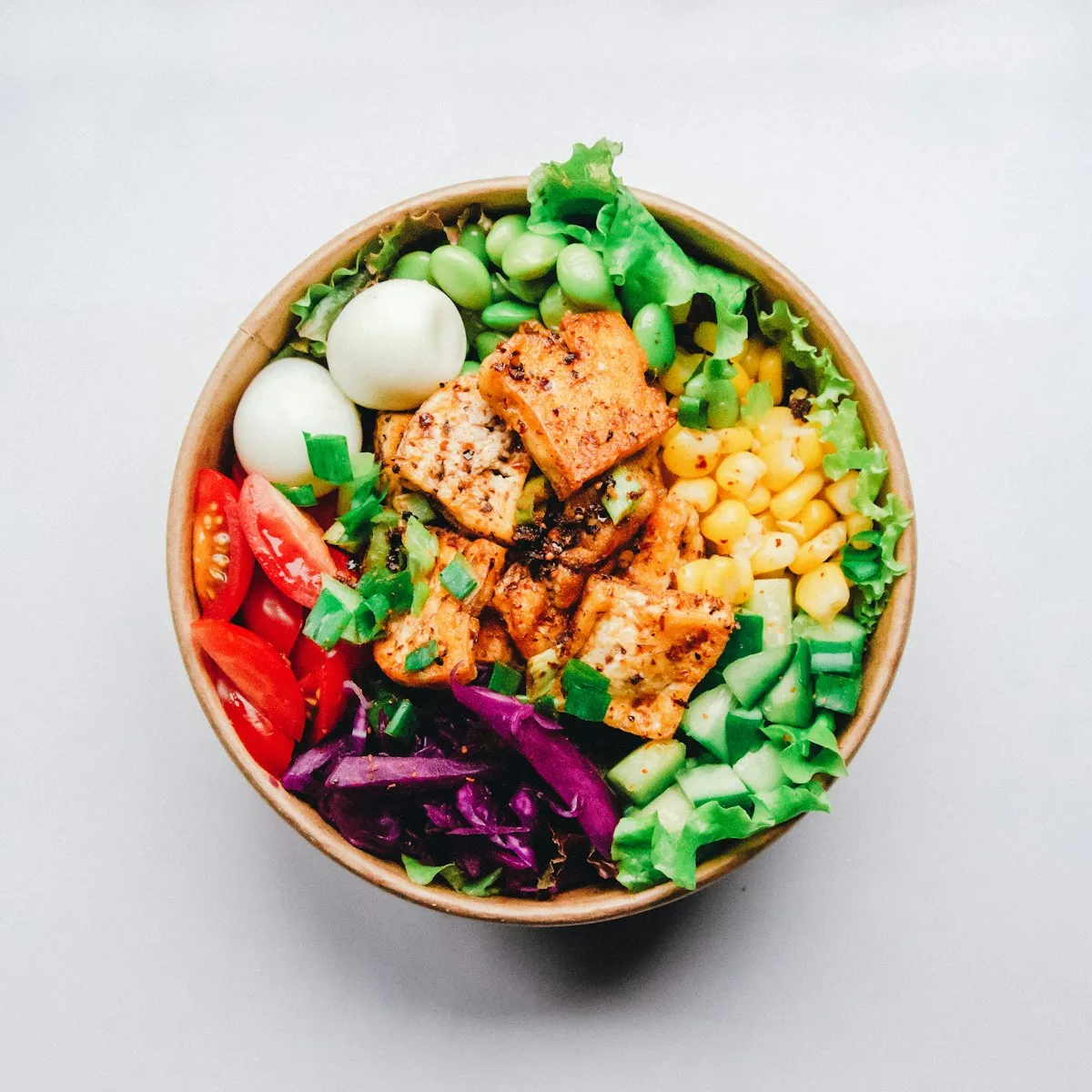
You know those nights when the clock is ticking, your stomach is growling, and the temptation to order takeout is reaching a fever pitch? We’ve all been there. But before you reach for that app, let me introduce you to the ultimate kitchen hack: the 15-minute taco. These aren't just any tacos; we’re talking about a plant-based powerhouse that relies on a little bit of science to deliver maximum flavor in record time. It’s one of those quick healthy meals that actually feels like a treat, blending creamy textures with bright, zesty finishes.
The Molecular Magic of 15-Minute Tacos
When you’re racing against the clock, you can’t afford to wait for complex flavors to develop slowly. You have to force them to happen. This starts with a process called "blooming" your spices.
Most of the aromatic compounds in spices like cumin, chili powder, and smoked paprika are fat-soluble. If you just toss them into a watery pot of beans, they’ll stay clumped and muted. Instead, heat a splash of oil in your skillet and let those spices sizzle for about 30 to 60 seconds. This heat triggers a mini-Maillard reaction, creating new, complex flavor molecules that give your tacos a smoky, "cooked-all-day" depth. Use a high-quality oil with a decent smoke point, like avocado or light olive oil, to ensure you don’t burn the delicate spice particles.
Next, let's talk about the star of the show: the black beans. Since we are focusing on 15 minute meals, we are going to use canned beans. Now, don't let any "foodie" tell you canned is inferior: it’s just science in a tin. Canned beans have already undergone starch gelatinization, where the starch granules inside the beans have absorbed water and swollen into a creamy texture. To take this further, mash about a quarter of your beans directly in the pan. This releases those gelatinized starches and proteins, which act as a natural thickener, turning the bean liquid into a glossy, rich sauce that clings to every taco.
Then there is the lime crema. This isn't just a topping; it’s an acidified emulsion. When you whisk lime juice into sour cream or Mexican crema, you are lowering the pH of the dairy. This causes the proteins (casein) to tighten and thicken the mixture, creating a luxuriously stable sauce. The acidity of the lime also performs a vital culinary function: it cuts through the heavy starches of the beans and the fats in the crema, "resetting" your palate with every bite so the flavors stay vivid.
Finally, do not neglect your tortillas. Most store-bought corn tortillas are made through nixtamalization: an ancient process where corn is soaked in an alkaline solution (usually lime water). This process doesn't just make the corn more nutritious; it changes the starch structure to make the tortillas flexible. However, they need heat to reactivate that flexibility. Use a dry skillet or even a direct gas flame to warm them until they are slightly blistered. This "waking up" of the starches ensures your taco won't crack and dump its contents into your lap.
Flavor Equilibrium: Acid, Fat, and Heat
To master these tacos, you need to understand the balance of elements. The black beans provide the earthy, starchy base (the "bass note"), while the spices provide the heat and "mid-tones." The crema is your "high note," bringing fat and acid into the mix.
If you find your tacos taste a bit flat, you likely lack acidity. Check your crema: does it pop? If not, add more lime zest. The zest contains essential oils (terpenes) that provide a more intense aroma than the juice alone. If the beans feel too heavy, increase the amount of fresh cilantro or add some quick-pickled red onions. The acetic acid in the vinegar will break down the perception of heaviness on your tongue.
For those looking for a bit more crunch, consider adding shredded cabbage tossed in a little apple cider vinegar. This adds a physical "interruption" to the soft texture of the beans and crema, making the eating experience more dynamic. If you’re a fan of quick family meals, you can even set these toppings out in bowls and let everyone build their own "perfect" equilibrium.
The Texture Game: Side Dish Pairings
While these tacos are a complete meal on their own, the right side dish can elevate the experience by providing a textural contrast. Since the tacos are predominantly soft and creamy, you want something with a bit of "snap."
A bright, crunchy jicama salad is a fantastic partner. Jicama is mostly water and fiber, providing a cooling effect that balances any spice from the beans. Alternatively, a simple corn salad with charred kernels can echo the flavors of the tortilla while adding a pop of sweetness.
If you have an extra five minutes, try making a quick slaw with lime and honey. The sweetness in the honey acts as a foil to the smokiness of the beans. If you’re looking for more healthy dinner ideas, a simple side of roasted cauliflower: perhaps cooked while you prep the beans: adds a nutty, roasted element that complements the earthiness of the black beans perfectly.
Solving Your Taco Science Dilemmas
What if my beans are too watery?
This usually happens if you don't drain the beans well enough or if you add too much water to the pan. The fix is simple: increase the heat and mash more beans. The heat will accelerate evaporation, while the released starches from the mashed beans will bind the remaining liquid into a thick gravy. Avoid adding flour or cornstarch, as these can create a pasty texture that masks the bean flavor.
Can I make these in an air fryer?
While the beans are a stovetop job, the air fryer is actually a secret weapon for the tortillas. If you prefer a "tostada" style crunch, lightly spray your tortillas with oil and pop them in the air fryer at 370°F for about 3-5 minutes. It’s one of the best air fryer recipes dinner shortcuts for adding texture. Just keep an eye on them, as they can go from golden to burnt very quickly due to the high-speed air circulation.
Why did my crema turn grainy?
Grainy crema usually occurs if the dairy is too low in fat or if you’ve added too much acid too quickly. Use full-fat sour cream or Greek yogurt. The fat molecules act as a buffer, preventing the proteins from clumping together too tightly when the acid hits. Whisk slowly and add the lime juice in stages. If it does break, you can sometimes save it by whisking in a teaspoon of room-temperature heavy cream to re-emulsify the mixture.
How do I store leftovers without them becoming a soggy mess?
Science says: keep your components separate. Store the bean mixture in an airtight container and the crema in another. When you’re ready for round two, reheat the beans on the stove with a tiny splash of water to loosen the starches again. Never microwave the tortillas inside a wet paper towel for too long, or they will undergo "starch retrogradation," turning them gummy. A quick sear in a pan is always the superior reheating method.
For more deep dives into the science of fast cooking, check out my guide on achieving the perfect glossy sauce or see how we use the air fryer to simplify comfort food classics. Happy cooking!