Recipe
Servings
Servings 1×
Ingredients
- Pasta
- Noodles
- Garlic
- Cooking oil
Method
- Prepare the ingredients described in the article and heat the cooking surface or oven as directed.
- Cook the main ingredients using the heat and timing guidance in the article.
- Finish with the seasonings and garnishes named in the article, then serve.
There is a specific kind of magic that happens when you take four or five ingredients from the back of your pantry and turn them into a meal that tastes like a Roman holiday. Pasta Aglio e Olio is the ultimate "emergency" dinner, it is cheap, incredibly fast, and sophisticated in its simplicity. When you are tired of scrolling through complex air fryer recipes dinner ideas and just want something soulful that hits the table in fifteen minutes, this is your answer. It is proof that you don't need a massive grocery budget to eat like royalty; you just need a little bit of science and a lot of garlic.
The Art of the Infusion and the Secret Sauce
Creating a restaurant-quality Aglio e Olio is not about just dumping oil on noodles. It is an exercise in temperature control and emulsification. If you have ever ended up with a pool of grease at the bottom of your bowl, you skipped the most important part: the "starchy gold."
Cold Starts and Garlic Control
The biggest mistake you can make is throwing your garlic into a screaming hot pan. Garlic is delicate; it burns in seconds, turning from sweet and aromatic to bitter and acrid. Always start your garlic and olive oil in a cold pan. As the heat rises slowly, the oil gently extracts the fat-soluble flavor compounds from the garlic without scorching the exterior.
Slicing your garlic paper-thin is the traditional route, providing little "chips" of flavor, but you can also mince it if you prefer a more uniform punch. Just remember: the smaller the piece, the faster it burns. Watch that pan like a hawk. You are looking for a pale, golden tan, not a dark brown. The moment you see that color, you must act to stop the cooking process.
The Magic of Emulsification
This is where the science transforms a "quick meal" into a masterpiece. Olive oil and water do not naturally mix. If you just toss boiled pasta with oil, they will stay separate, resulting in a greasy mouthfeel. To fix this, you need an emulsifier: starch.
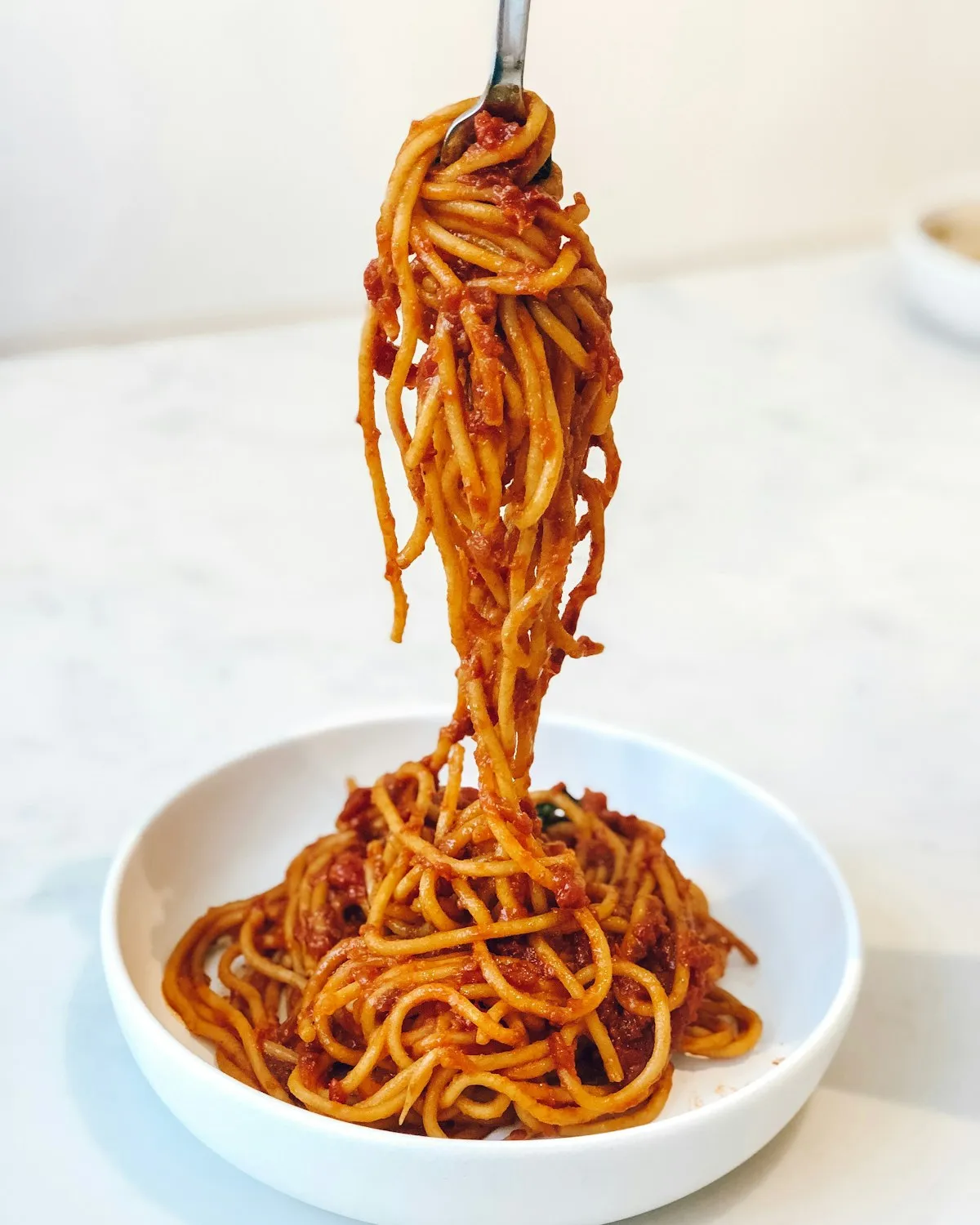
Before you drain your pasta, reserve a big mug of that cloudy, salty pasta water. When you add a splash of this water to your garlic-infused oil and toss it vigorously with the noodles, the starch acts as a bridge. It binds the oil and water together into a glossy, creamy sauce that clings to every single strand of spaghetti. This is a foundational technique for many quick family meals, ensuring that even the simplest ingredients feel luxurious. Use a high-quality bronze-cut pasta if your budget allows; the rougher surface releases more starch and holds onto that sauce even better.
Variations for the Soulful Cook
While the classic version is just oil, garlic, and chili, the beauty of this dish is how easily it adapts to what you have on hand. Think of the base as a canvas for your pantry.
- The Poor Man’s Parmesan: If you are out of cheese, don’t panic. Toast some panko or sourdough breadcrumbs in a little oil with lemon zest until they are deep brown and crunchy. This "pangrattato" adds a texture that cheese can't match and keeps the dish firmly in the realm of budget-friendly perfection.
- A Punch of Acid: A squeeze of fresh lemon juice at the very end can cut through the richness of the olive oil. It brightens the whole dish and makes it feel lighter, a perfect trick for healthy dinner ideas when you want flavor without heavy cream.
- The Heat Factor: If you like a kick, don't just use standard red pepper flakes. Try Aleppo pepper for a smokier, milder heat, or add a dollop of Calabrian chili paste for a fruity, fiery depth that transforms the oil into a vibrant orange sauce.
Balancing the Plate: Side Dish Pairings
Because Aglio e Olio is rich and savory, you want a side dish that offers a sharp, acidic contrast. A heavy, creamy side will clash with the oil base, so stay away from anything too bogged down in dairy.
A simple arugula salad is the gold standard here. The peppery bite of the greens, paired with a sharp lemon vinaigrette and some juicy cherry tomatoes, clears your palate between bites of the silky pasta. You can also quickly sauté some broccolini with a splash of vinegar or serve a bowl of marinated cucumbers. The goal is to provide a "reset" for your taste buds so every forkful of pasta feels as impactful as the first.
If you're looking for more ways to round out your quick family meals, consider a side that requires zero cooking time, like a high-protein salad or a simple plate of sliced seasonal vegetables.
FAQ: Troubleshooting Your Pasta
Even with only a few ingredients, things can go sideways. Here is how to fix the most common Aglio e Olio disasters using a bit of kitchen logic.
Why is my garlic bitter?
You burnt it. There is no coming back from burnt garlic. If it turns dark brown or black, wipe out the pan and start over. It only takes three minutes to redo the oil, and it will save the entire meal. Next time, use lower heat and add your pasta water sooner to "quench" the pan and stop the browning.
Why is the sauce still watery and sitting at the bottom of the bowl?
You haven't emulsified it enough. You need heat and motion. Turn the heat up to medium, add a little more pasta water, and use tongs to vigorously swirl and toss the pasta. You should see the liquid transform from a clear oil-and-water mix into a slightly opaque, thickened sauce.
Can I use jarred minced garlic?
Avoid it if you can. Jarred garlic is often preserved in citric acid, which changes the flavor profile entirely. For this dish, the garlic is the flavor. Fresh cloves are cheap and provide that punchy, spicy, and sweet aroma that the jarred stuff simply lacks.
My pasta is too dry, should I add more oil?
Avoid adding more oil at the end; it will just make the dish greasy. Instead, add another splash of pasta water. The water provides moisture and helps the existing oil spread further. Most "dry" pasta problems are actually "not enough starch water" problems.
Is this actually healthy?
Compared to heavy cream-based sauces, yes. It relies on heart-healthy monounsaturated fats from olive oil. To keep it within the realm of healthy dinner ideas, keep your portion sizes in check and load up on those acidic vegetable sides we mentioned earlier.
Can I make this gluten-free?
Absolutely. Use a high-quality gluten-free spaghetti. Be aware that some gluten-free pastas release less starch, so you might need to lean more heavily on the tossing technique to get that emulsion to hold.
{“@type”:”BlogPosting”,”image”:”https://cdn.marblism.com/ujnw_9sEHak.webp”,”author”:{“name”:”Penny”,”@type”:”Person”},”@context”:”https://schema.org”,”headline”:”15-Minute Budget-Friendly Pasta Aglio e Olio”,”publisher”:{“logo”:{“url”:”https://cookpedia.com/logo.png”,”@type”:”ImageObject”},”name”:”Cookpedia”,”@type”:”Organization”},”description”:”Master the science of the perfect 15-minute Pasta Aglio e Olio. Learn the secrets of garlic infusion and emulsification for a restaurant-quality budget meal.”,”datePublished”:”2026-06-14″,”mainEntityOfPage”:{“@id”:”https://cookpedia.com/15-minute-budget-friendly-pasta-aglio-e-olio”,”@type”:”WebPage”}}