Recipe
Servings
Servings 1×
Ingredients
- Chicken
- Shrimp
- Pasta
- Noodles
- Zucchini
- Tomatoes
- Garlic
- Lemon
- Tahini
- Pesto
- Hard cheese
- Butter
- Cooking oil
- Salt
- Black pepper
Method
- Use the power of osmosis to your advantage.
- Pat them dry with a clean towel; this is a non-negotiable step for anyone looking for healthy dinner ideas that actually satisfy.
- Start with the solids: nuts, garlic, and greens: to break down the cell walls and release the natural pectins and mucilage that help hold the emulsion together.
When life gets chaotic, the kitchen shouldn't be another source of stress. You need a meal that feels like a warm hug but takes less time to prepare than a standard coffee run. My 15-minute pesto zucchini noodles are the ultimate solution for those nights when you crave something vibrant and soulful without the "pasta coma." By swapping traditional grains for crisp, green zoodles, you’re diving into a dish that is light, nutrient-dense, and undeniably fresh.
The Science of the Perfect Crunch
The biggest hurdle with zucchini noodles is the dreaded "soggy puddle" at the bottom of the bowl. To master this dish, you have to understand the biology of the zucchini itself. This vegetable is roughly 95% water. When you apply heat, the cell walls break down, releasing all that internal moisture. If you don't manage this water release, you’ll end up with a vegetable soup instead of a pasta substitute.
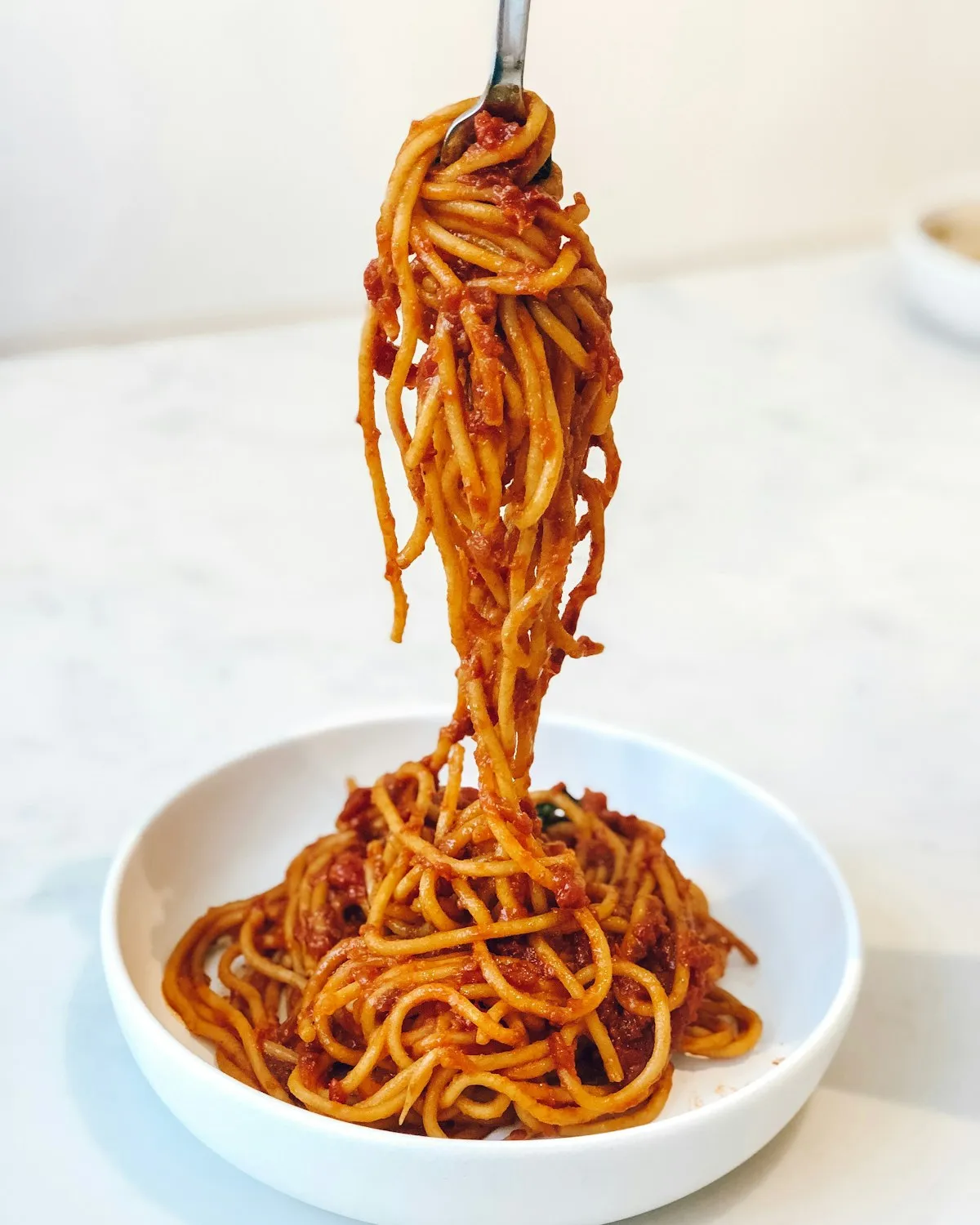
Use the power of osmosis to your advantage. Before the noodles even touch a pan, sprinkle them with a tiny pinch of salt and let them sit in a colander. The salt draws the water out of the cells through the semi-permeable membranes. After ten minutes, give them a gentle squeeze. You will be shocked at how much liquid escapes. Pat them dry with a clean towel; this is a non-negotiable step for anyone looking for healthy dinner ideas that actually satisfy.
When it comes to cooking, think "hot and fast." Use a wide, heavy skillet: cast iron is excellent here: and bring it to a medium-high heat. You want the moisture to evaporate the second it hits the surface of the pan. Avoid crowding the pan; if the noodles are piled too high, they will steam each other, leading to mush. Sauté for no more than two to three minutes. You are looking for an "al dente" texture that still has a slight snap.
Mastering the Pesto Emulsion
The soul of this dish lies in the pesto. While it seems simple, pesto is actually a complex, fragile emulsion. Specifically, it’s a Pickering emulsion, where solid particles of basil and garlic sit at the interface of the oil and water, stabilizing the mixture.
Avoid over-processing your sauce. High-speed blenders generate heat, which oxidizes the delicate basil leaves and turns your vibrant green sauce into a dull brown. Pulse your ingredients instead. Start with the solids: nuts, garlic, and greens: to break down the cell walls and release the natural pectins and mucilage that help hold the emulsion together. Only then should you slowly drizzle in your high-quality olive oil. This technique ensures a creamy, stable sauce that clings to the zoodles rather than sliding off into a greasy mess. If you're exploring 15-minute meals, this sauce-building technique is a skill you'll use forever.
Sophisticated Variations
Once you have the base technique down, you can adapt this dish to fit any mood or dietary need. For a protein boost that keeps these as quick family meals, consider folding in some pre-cooked shredded chicken or sautéed shrimp at the very last second. The residual heat from the zoodles will warm the protein without overcooking it.
If you are looking for a dairy-free alternative, swap the parmesan for nutritional yeast or toasted breadcrumbs seasoned with lemon zest. The yeast provides that savory, umami punch while keeping the dish entirely plant-based. For a deeper, sun-drenched flavor, replace half of the basil with sun-dried tomatoes. This creates a "Pesto Rosso" vibe that is incredibly rich and pairs beautifully with a sprinkle of red pepper flakes for heat.
If you find yourself with extra ingredients, you might even consider how these flavors translate to other tools; for example, experimenting with air fryer recipes dinner styles can provide a different texture for your vegetable components.
Harmonious Side Dish Pairings
Because pesto is naturally rich and fatty from the nuts, oil, and cheese, you need side dishes that provide a sharp, acidic contrast. A simple arugula salad with a lemon-tahini dressing is a perfect companion. The bitterness of the arugula and the zing of the lemon cut right through the density of the pine nuts.
For a heartier meal, serve these noodles alongside a lean protein. A piece of white fish or a grilled chicken breast seasoned simply with salt and cracked black pepper works wonders. Avoid heavy, creamy sides; you want to maintain the "light and soulful" integrity of the zucchini. If you're in the mood for something with a bit more "cheat meal" energy, a small side of my garlic butter ramen can actually bridge the gap between vegetable-forward and comfort-food indulgence for the rest of the family.
Frequently Asked Questions
Why did my pesto turn brown almost immediately?
Browning is caused by an enzyme called polyphenol oxidase (PPO). When basil leaves are bruised or cut, PPO reacts with oxygen. To prevent this, you can briefly blanch your basil leaves in boiling water for 15 seconds followed by an ice bath before blending. This "shocks" the enzymes and locks in that neon-green color.
Can I make these zucchini noodles ahead of time?
I strongly advise against it. Once zucchini is cut, the cell degradation begins. If you spiralize them and let them sit in the fridge, they will weep significantly, becoming limp and flavorless. If you must prep ahead, spiralize them no more than 24 hours in advance and store them unwashed in a container lined with a dry paper towel.
My sauce is very oily and won't stick to the noodles. What happened?
Your emulsion likely broke. This happens if the oil is added too quickly or if the noodles were too wet when you tossed them. Remember: water and oil don't mix. If your zoodles are sitting in a pool of water, the pesto will simply slide off. Use the salting and patting technique mentioned above to ensure a dry surface for the sauce to grip.
How do I reheat leftovers without them turning to mush?
Zucchini noodles don't love the microwave. The best way to reheat them is a quick 60-second flash-sauté in a hot pan. However, because they cook so fast the first time, I usually recommend eating them fresh or even enjoying the leftovers cold as a zoodle salad the next day.
Can I use frozen zucchini noodles for this?
Avoid frozen zoodles if you want a pasta-like experience. Freezing causes the water inside the cells to expand into ice crystals, which completely shatters the cell walls. When thawed, they lose all structural integrity. Frozen zoodles are better suited for soups or smoothies rather than a standalone "noodle" dish.
If you're looking for more ways to master fast, high-impact cooking, check out my guide on 10-minute Cacio e Pepe for those nights when only real pasta will do. Mastering these healthy dinner ideas is all about understanding the ingredients in your hands.
{“@type”:”BlogPosting”,”image”:”https://cdn.marblism.com/hyG_a4njKK0.webp”,”author”:{“name”:”Cookpedia”,”@type”:”Organization”},”@context”:”https://schema.org”,”headline”:”Simple 15-Minute Pesto Zucchini Noodles”,”publisher”:{“logo”:{“url”:”https://cdn.marblism.com/r31hCYxu5lk.webp”,”@type”:”ImageObject”},”name”:”Cookpedia”,”@type”:”Organization”},”mainEntity”:{“@type”:”FAQPage”,”mainEntity”:[{“name”:”Why did my pesto turn brown almost immediately?”,”@type”:”Question”,”acceptedAnswer”:{“text”:”Browning is caused by an enzyme called polyphenol oxidase (PPO). Briefly blanching basil leaves for 15 seconds in boiling water before blending inactivates these enzymes and preserves the green color.”,”@type”:”Answer”}},{“name”:”Can I make these zucchini noodles ahead of time?”,”@type”:”Question”,”acceptedAnswer”:{“text”:”It is best to make them fresh. If necessary, spiralize them no more than 24 hours in advance and store in an airtight container with a paper towel to absorb moisture.”,”@type”:”Answer”}},{“name”:”My sauce is very oily and won’t stick to the noodles. What happened?”,”@type”:”Question”,”acceptedAnswer”:{“text”:”Your emulsion likely broke or the noodles were too wet. Ensure the zucchini is salted and patted dry before cooking so the pesto can properly adhere to the surface.”,”@type”:”Answer”}}]},”description”:”Master the art of non-soggy zucchini noodles with this 15-minute pesto zoodle guide. Learn the science of osmosis and emulsions for a perfect healthy dinner.”,”datePublished”:”2026-06-14″,”mainEntityOfPage”:{“@id”:”https://cookpedia.com/simple-15-minute-pesto-zucchini-noodles”,”@type”:”WebPage”}}