Recipe
Servings
Servings 1×
Ingredients
- Chickpeas
- Spinach
- Onion
- Garlic
- Fresh ginger
- Cream
- Cooking oil
- Curry spices
- Turmeric
Method
- Prepare the ingredients described in the article and heat the cooking surface or oven as directed.
- Cook the main ingredients using the heat and timing guidance in the article.
- Finish with the seasonings and garnishes named in the article, then serve.
When the clock is ticking and your stomach is growling, you don't need a miracle; you just need a can of chickpeas and a bag of spinach. My 15-Minute Chickpea and Spinach Curry is the ultimate solution for those nights when "ordering in" feels too slow and "cooking from scratch" feels too daunting. This is one of those quick family meals that proves you don't have to sacrifice flavor for speed. It’s soulful, vibrant, and packed with plant-based protein that actually keeps you full.
The Alchemy of Aromatic Blooming
Why does a 15-minute curry sometimes taste like it’s been simmering for hours, while others taste like watery turmeric soup? The answer lies in a scientific process called "blooming." Most spices contain flavor compounds that are fat-soluble, not water-soluble. If you simply toss your spices into a simmering liquid, you’re missing out on about 70% of their potential.
To get the most out of your pantry, you must sizzle your dry spices, cumin, coriander, turmeric, and garam masala, in hot oil or ghee before adding any liquid. This high-heat environment triggers the Maillard reaction, breaking down complex molecules into smaller, more aromatic ones. Use a neutral oil with a high smoke point to ensure you don't burn the delicate ground spices. The moment the kitchen smells like a bustling spice market, you’ve hit the sweet spot.
Another trick for speed is managing your aromatics. Onion, garlic, and ginger are the holy trinity of curry. In a rush, skip the fine dice and use a microplane or a ginger-garlic paste. This increases the surface area, allowing them to soften and release their flavors in a fraction of the time. Because we are making 15 minute meals, every second of heat application must be efficient.
Don't ignore the texture of your chickpeas. Canned chickpeas are a scientific marvel of convenience, but they can sometimes feel a bit "separate" from the sauce. Take your spatula and gently smash about a quarter of the chickpeas against the side of the pan. This releases their natural starches, which act as a thickener, instantly transforming a thin broth into a rich, velvety gravy. It’s a low-tech emulsification hack that makes the dish feel incredibly luxurious without adding heavy cream.
Lastly, let’s talk about the spinach. Fresh spinach is mostly water (about 90%). If you add it too early, it turns into a slimy, grey mess. Add it at the very last minute. The residual heat of the curry is more than enough to wilt the leaves while keeping them vibrant green and full of folate and iron. Avoid overcooking at all costs; the goal is a bright, fresh finish that balances the earthy spices.
Variations: The Modular Curry
The beauty of this recipe is its adaptability. It’s one of those plant-based dinner ideas that serves as a blank canvas for whatever is in your fridge. If you want a richer, more indulgent version, swap half of the vegetable broth for full-fat coconut milk. The fats in the coconut milk will further carry those bloomed spice flavors across your palate, creating a silky mouthfeel that rivals any takeout.
Looking for a protein boost? Add some cubes of firm tofu. If you want a bit of crunch, you can actually look toward your other kitchen gadgets. While this is a stovetop star, incorporating elements from air fryer recipes dinner can add a fantastic textural contrast. Try air-frying some extra chickpeas with a dash of smoked paprika for 10 minutes and sprinkling them on top as a "curry crouton."
For a Mediterranean twist, swap the spinach for kale (which needs an extra 3 minutes of simmer time) and add a handful of sun-dried tomatoes. The acidity of the tomatoes provides a sharp contrast to the earthy chickpeas, creating a completely different flavor profile with the same basic technique.
Pairings: Balancing the Plate
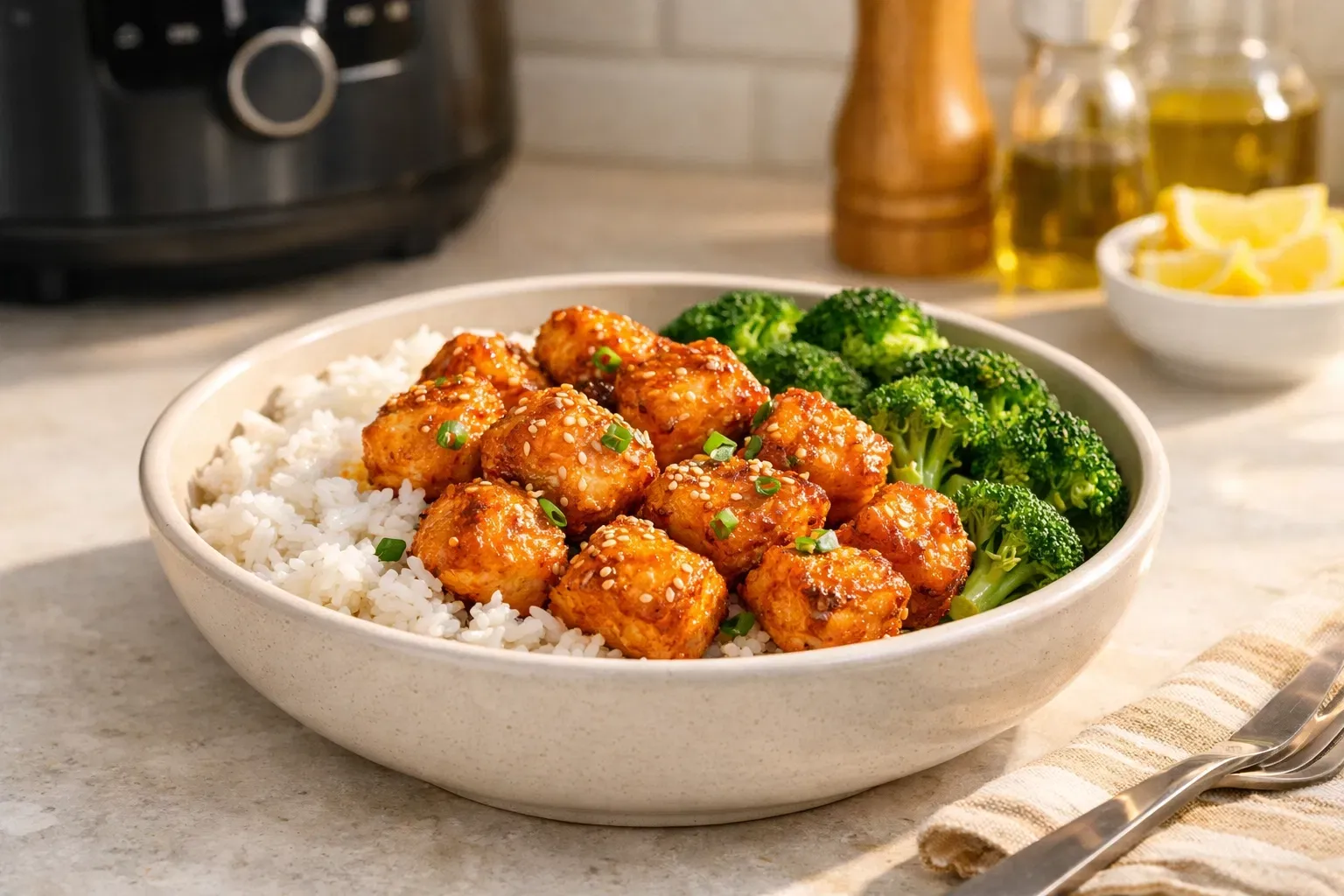
A great curry needs a partner that provides balance. Since the curry is soft and spiced, you want something with structure or acidity. Basmati rice is the classic choice; its floral aroma complements the spices perfectly. However, if you’re looking for more healthy dinner ideas, quinoa or even cauliflower rice are excellent fiber-rich alternatives.
Never underestimate the power of a "bright" side dish. A quick pickle of red onions, soaking sliced onions in vinegar and salt for ten minutes, adds a necessary punch of acidity that cuts through the richness of the spices. If you have some flatbread or naan, brush it with garlic butter and give it a quick char. The smokiness of the bread acts as a bridge between the earthy chickpeas and the fresh spinach. For a cooling element, a dollop of unsweetened Greek yogurt (or a dairy-free almond yogurt) can help temper the heat if you’ve been heavy-handed with the chili flakes.
FAQ: The Curious Cook’s Corner
Can I use frozen spinach instead of fresh?
Absolutely. Science-wise, frozen spinach is often flash-frozen at peak ripeness, meaning it retains its nutrients well. However, it contains significantly more water than fresh leaves. Squeeze out as much liquid as possible before adding it to the pan to prevent your curry from becoming watery.
Why do my spices taste bitter?
Bitterness usually happens if you burn the spices during the blooming phase. Ground spices have a very low tolerance for high heat. If they turn dark brown or black, discard them and start over. It’s a two-minute setback that saves the whole meal.
Are canned chickpeas as healthy as dried ones?
Yes, for the most part. The pressure-cooking process used for canning actually helps neutralize lectins, making them easier to digest for some people. Just be sure to rinse them thoroughly to remove excess sodium and the "beany" liquid (aquafaba) which can affect the final flavor of the sauce.
How do I make this kid-friendly?
Keep the "heat" (chili) to a minimum and focus on the "warm" spices like cinnamon and cumin. Adding a tablespoon of peanut butter or almond butter at the end can also create a creamy, familiar flavor profile that kids tend to love, while adding extra healthy fats.
How long does this stay fresh in the fridge?
This curry actually tastes better the next day because the spices continue to infuse into the chickpeas. It will stay fresh in an airtight container for up to four days. When reheating, add a splash of water or broth to loosen the sauce, as the starches will continue to thicken as it sits.
Can I freeze this?
Yes, it freezes beautifully. If you’re meal prepping, leave the spinach out and add fresh leaves when you reheat it. This ensures the greens stay bright and don’t turn into a mushy texture after thawing. Use a freezer-safe bag and squeeze out the air to prevent freezer burn.