Recipe
Servings
Servings 1×
Ingredients
- Lentils
- Chickpeas
- Rice
- Greek yogurt
- Bread
- Potatoes
- Sweet potatoes
- Carrots
- Spinach
- Fresh ginger
- Lime
- Mustard
- Coconut milk
- Cooking oil
- Turmeric
- Salt
Method
- Prepare the ingredients described in the article and heat the cooking surface or oven as directed.
- Cook the main ingredients using the heat and timing guidance in the article.
- Finish with the seasonings and garnishes named in the article, then serve.
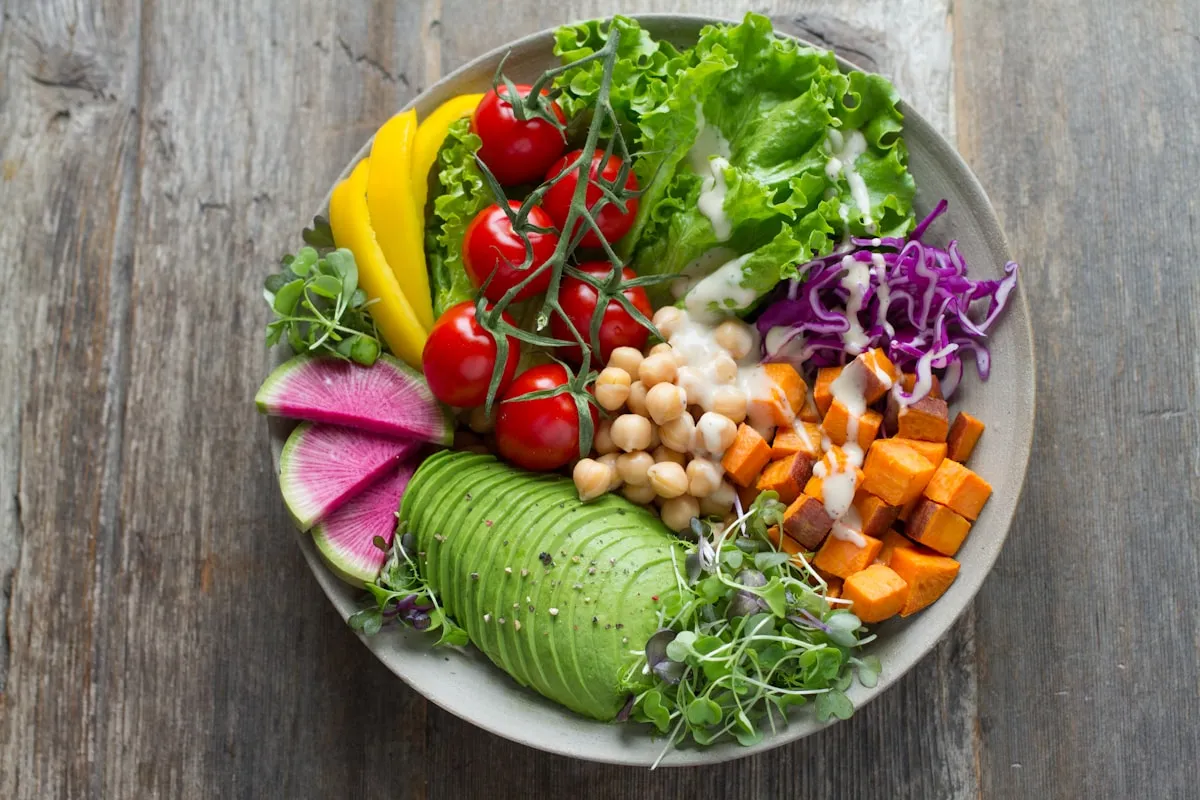
There is a specific kind of magic that happens when you take a handful of pantry staples and turn them into a bowl of pure, soul-warming comfort. If you are looking for healthy dinner ideas that don't require a culinary degree or a massive grocery bill, look no further. This Red Lentil Dahl with Spinach is the ultimate weeknight hero, it’s fast, incredibly affordable, and delivers a punch of flavor that makes you feel like you’ve been simmering it for hours. At Cookpedia, we are all about making home cooking accessible, and this dahl fits that mission perfectly.
The Science of the Split: Master Your Technique
Red lentils are the speed-demons of the legume world. Unlike their green or brown cousins, red lentils are "split," meaning the outer skin has been removed and the seed is divided in two. This isn't just a fun fact; it’s the secret to why this is one of our favorite quick family meals. Without that tough outer skin, water penetrates the lentil almost instantly. As they cook, the starch granules inside the lentils gelatinize and burst, creating a naturally creamy texture without a drop of dairy.
To get the most out of your lentils, pay attention to the "Tadka" or tempering process. This is the scientific heart of the dish. When you toast whole spices like cumin and mustard seeds in hot oil, you are initiating the Maillard reaction and releasing essential oils that are otherwise locked away. This process, known as "blooming," changes the chemical structure of the aromatics, creating a depth of flavor that raw spices simply cannot provide. Watch for the seeds to pop and sizzle, that’s your signal that the flavor is being unlocked.
Essential Tips for Success:
- Bloom your spices first. Never just toss spices into the water. Use a heavy-bottomed pot to heat your oil and toast the seeds until they become fragrant. This creates a base layer of flavor that carries the entire dish.
- Hold the salt. Science tells us that adding salt too early can sometimes interfere with the pectin in the lentils, potentially making them take longer to soften. Season your dahl at the very end to ensure a buttery, melt-in-your-mouth texture.
- Manage the heat. Once your lentils are in the liquid, bring it to a boil and then immediately drop it to a gentle simmer. Aggressive boiling can cause the lentils to disintegrate unevenly, leaving you with a watery mess instead of a lush, thick porridge.
- The Spinach Window. Spinach is delicate. The heat of the cooked dahl is enough to denature the cell walls of the leaves without destroying their vibrant color or nutritional value. Fold the spinach in only after you’ve turned off the heat.
Flavor Foundations and Clever Variations
While the classic version is hard to beat, the beauty of this dish lies in its flexibility. If you find yourself needing a bit more richness, swap half of your cooking liquid for full-fat coconut milk. The fats in the coconut milk act as a carrier for the fat-soluble compounds in the turmeric and ginger, making the flavors pop even more while adding a velvety mouthfeel.
For those who enjoy a bit of texture, you can experiment with toppings. We love using air fryer recipes dinner hacks to elevate the bowl. Try air-frying some canned chickpeas with a dash of smoked paprika until they are ultra-crunchy, then scatter them over the finished dahl. The contrast between the creamy lentils and the crispy chickpeas is a game-changer. You can also toss in finely diced roasted sweet potatoes or carrots during the simmering stage for a Mediterranean-inspired twist that adds natural sweetness and extra fiber.
Perfectly Balanced Pairings
A great meal is all about balance. Because red lentil dahl is naturally rich and earthy, you need acidity and starch to round out the experience. The classic choice is a bed of fluffy basmati rice, which acts as a blank canvas for the bold spices. If you want something more tactile, warm flatbread or naan is non-negotiable. Use the bread to scoop up the lentils, ensuring you get a bit of everything in every bite.
Don't forget the "bright" elements. A dollop of plain Greek yogurt or a squeeze of fresh lime juice is essential. The acidity in the lime cuts through the density of the lentils, while the coolness of the yogurt balances any heat from chilies. If you’re looking for more quick family meals to pair with your weekly rotation, check out our Cookpedia Recipe Database for inspiration on simple vegetable sides that complement this soulful dish.
FAQ: Solving Your Dahl Dilemmas
Why did my lentils turn into a gray mush?
This is usually a result of overcooking or using older lentils. Red lentils naturally break down, which is what we want for a creamy dahl, but if they lose their color, it’s often because they were simmered for too long on high heat. Stick to 15–20 minutes and keep the simmer gentle. Also, ensure your turmeric is fresh; that’s where that iconic golden hue comes from!
Can I make this ahead of time?
Absolutely. In fact, dahl is one of those rare dishes that tastes better the next day. As it sits, the spices continue to meld and the starches settle. When reheating, you’ll notice the mixture has thickened significantly. Simply add a splash of water or broth to loosen it back to your desired consistency.
Is this dish actually healthy?
Red lentils are a powerhouse of plant-based protein and iron. When combined with the Vitamin C from the fresh spinach and the anti-inflammatory properties of turmeric and ginger, you have one of the most nutritionally dense healthy dinner ideas in your arsenal. It’s a complete meal that keeps you full without the "heavy" feeling of processed carbs.
What if I don't have fresh ginger?
While fresh is always better for that zingy, sharp bite, you can use ground ginger in a pinch. Just remember that ground ginger is more concentrated; use about half a teaspoon for every tablespoon of fresh ginger called for. However, if you want that soulful, authentic flavor, I firmly suggest keeping a knob of ginger in your freezer at all times!
Can I freeze leftover dahl?
Yes, it freezes beautifully for up to three months. Just be sure to leave some headspace in your container, as the liquid will expand slightly when frozen. Thaw it overnight in the fridge and reheat it on the stove for the best texture. Avoid the microwave if you can; the stove allows you to stir in a little fresh water to bring that creaminess back to life.