Recipe
Servings
Servings 1×
Ingredients
- Chickpeas
- Beans
- Greek yogurt
- Bread
- Apple
- Tomatoes
- Onion
- Lemon
- Mustard
- Tahini
- Blue cheese
- Curry spices
- Turmeric
- Chili seasoning
- Salt
Method
- Let’s be honest: your Tuesday night doesn’t need a three-course performance.
- Use a fork or a potato masher to crush about 70% of the beans into a coarse paste, but leave the remaining 30% whole or halved.
- Use a very sharp knife to keep the cell walls of your vegetables intact, ensuring they stay crisp and juicy rather than weeping water into your salad.
Let’s be honest: your Tuesday night doesn’t need a three-course performance. It needs food, it needs it now, and it needs to actually taste like something. When I’m staring down a hectic schedule and a grumbling stomach, I skip the delivery apps and reach for a can of chickpeas. These 15-minute meals are the ultimate plant-based pivot from the classic tuna salad, offering a creamy, crunchy, and deeply satisfying bite without the "fishy" aftermath in the office fridge. If you want a lunch or dinner that hits the spot in record time, you’ve found your new go-to.
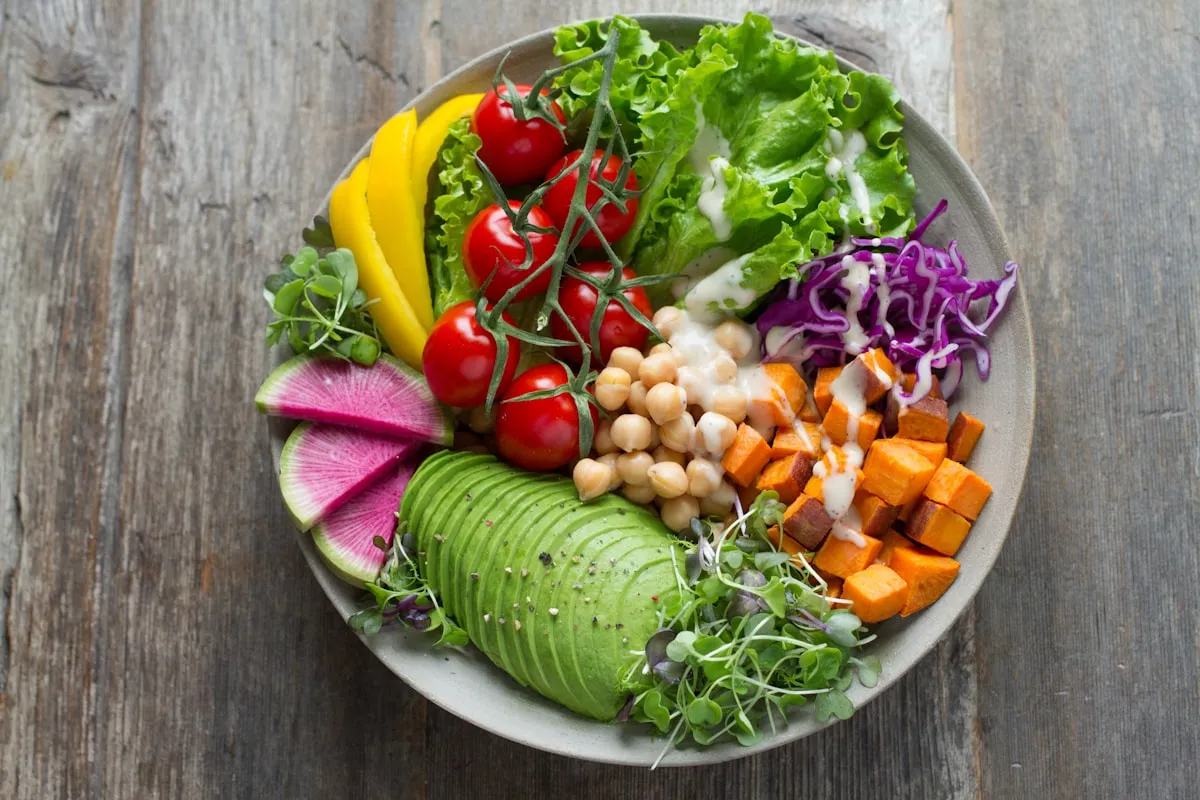
The Science of the Perfect Mash
The secret to a sandwich that doesn’t just fall apart: or worse, feel like eating a bowl of marbles: lies in the mechanical disruption of the chickpea's cellular structure. You aren't just squashing them; you are creating a structural binder. When you press down on a chickpea, the skin ruptures and releases internal starches and globulin proteins. These act as a natural glue.
Aim for a "controlled chaos" approach when mashing. Use a fork or a potato masher to crush about 70% of the beans into a coarse paste, but leave the remaining 30% whole or halved. This duality is essential for mouthfeel. The paste provides the creaminess that holds onto your dressing, while the whole beans provide the "tooth" or resistance that mimics the texture of traditional flaked fish. If you over-process and turn it into hummus, you lose that essential sandwich integrity.
Emulsification is your next scientific hurdle. Your dressing: usually a mix of mayo (or a vegan alternative), mustard, and acid: is a stable suspension of fat in water. To make it truly sing, whisk your dressing components together before adding them to the chickpeas. This ensures every bite has a uniform flavor profile. Don't just dollop them in separately; a pre-emulsified dressing coats the nooks and crannies of your mashed beans much more effectively than individual ingredients ever could.
Finally, consider the "crunch factor" as a structural necessity. Incorporating finely diced celery and red onion isn't just about flavor; it's about adding non-compressible solids to a soft matrix. This contrast keeps your brain engaged and prevents the sandwich from feeling monotonous. Use a very sharp knife to keep the cell walls of your vegetables intact, ensuring they stay crisp and juicy rather than weeping water into your salad.
Balancing the Flavor Profile
To elevate this from a basic snack to one of those quick family meals everyone asks for, you must master the balance of acidity and richness. Chickpeas are naturally nutty and slightly earthy, which can feel "heavy" on the palate. To cut through that density, use high-acid ingredients like lemon juice or apple cider vinegar. The acid works on a molecular level to brighten the flavors, making the savory notes of the chickpeas pop.
Avoid the temptation to skip the rest period. If you have five extra minutes, let the mixture sit. This allows for osmosis to occur, where the salt and acid in the dressing penetrate the cell walls of the chickpeas. This "marinating" stage transforms a simple bowl of beans into a cohesive, seasoned filling. It also allows the starches to hydrate fully, resulting in a thicker, more stable salad that won't soak through your bread the moment you take a bite.
Global Variations for Any Mood
If you’ve mastered the base, it’s time to experiment with flavor equilibrium. These variations prove that healthy dinner ideas don't have to be bland.
- The Mediterranean Pivot: Swap the traditional mayo for a mix of tahini and Greek yogurt. Add halved cherry tomatoes, kalamata olives, and a heavy hand of dried oregano. The bitterness of the tahini balances the sweet acidity of the tomatoes perfectly.
- The Spicy Buffalo Smash: Fold in a tablespoon of cayenne-based hot sauce and a sprinkle of blue cheese crumbles. The heat of the vinegar-based sauce cuts through the creaminess of the chickpeas, providing a sharp, addictive contrast.
- The Curried Crunch: Incorporate a mild curry powder and a handful of golden raisins. The sweetness of the fruit offsets the earthy turmeric and cumin, while the yellow hue makes for a stunning visual presentation.
Side Dish Pairings for Texture and Tone
A sandwich is only as good as its neighbors. To round this out into a full meal, think about what your sandwich is missing. Since the chickpea salad is creamy and soft, you need a side dish with high water content or serious crunch.
A bright, acidic arugula salad is my favorite pairing. The peppery bite of the greens cuts right through the richness of the mayo-based dressing. If you’re looking for something warmer, consider air fryer recipes dinner enthusiasts love, like crispy kale chips or thinly sliced sweet potato fries. The dry, concentrated heat of the air fryer creates a "shatter" texture that complements the soft sandwich bread.
For a more traditional feel, serve this alongside a chilled cucumber and dill salad. The high water content of the cucumbers provides a refreshing palate cleanser between bites of the dense, protein-packed sandwich. Always aim for a side that offers a temperature or texture contrast to keep the meal balanced.
Frequently Asked Questions
Why is my chickpea salad so dry the next day?
Chickpeas are incredibly absorbent. They contain starches that continue to soak up moisture long after you’ve finished mixing. If you find your leftovers have turned into a thick paste, simply fold in an extra teaspoon of lemon juice or a splash of water. This re-hydrates the starches and restores the emulsion, bringing back that creamy mouthfeel.
Can I use dried chickpeas instead of canned?
Absolutely, but you’ll need to adjust your expectations on time. Dried chickpeas that have been soaked and boiled often have a firmer skin and a creamier interior than canned versions. If you go this route, overcook them slightly. A "soft" chickpea is much easier to mash into the necessary binder than an al dente one. If the beans are too firm, they won't release enough starch to hold the salad together.
How do I prevent my bread from getting soggy?
Soggy bread is the enemy of a good lunch. To prevent this, create a moisture barrier. Toast your bread firmly to create a dehydrated "crust" that resists liquid. Alternatively, place a large, dry leaf of butter lettuce on the bread before adding the filling. The lettuce acts as a waterproof shield, keeping the dressing away from the bread fibers.
Is there a way to make this without mayo?
If you want to keep things light, mashed avocado is your best friend. It provides the same monounsaturated fats and creamy texture as mayo but adds a boost of fiber. Just be aware that avocado oxidizes (turns brown) quickly. If you use this substitution, add extra lime juice to slow down the enzymatic browning and plan to eat the sandwich immediately.
What if my salad tastes "flat" or boring?
Usually, this is a lack of salt or acid. Salt enhances the natural nuttiness of the legumes, while acid (like lemon or pickle juice) provides the "high notes" that wake up your taste buds. Check your seasoning and add a pinch of salt and a squeeze of lemon. You’ll be surprised how a tiny chemical adjustment can completely change the flavor profile of your 15 minute meals.