Recipe
Servings
Servings 1×
Ingredients
- Shrimp
- Noodles
- Tortillas
- Broccoli
- Zucchini
- Cucumber
- Avocado
- Tomatoes
- Garlic
- Lemon
- Tahini
- Coconut milk
- Hard cheese
- Butter
- Cooking oil
- Salt
- Black pepper
Method
- Use a colander to salt them lightly about ten minutes before you cook.
- Use a paper towel and pat those shrimp until they are bone-dry.
- Cook them in a single, flat layer.
- Let them sit undisturbed for at least sixty seconds to build that crust.
- Add a spoonful of capers and some sun-dried tomatoes to the butter sauce.
- Fold in a teaspoon of crushed red pepper flakes or some chopped Calabrian chilis right as the garlic begins to fragrance.
If you are like me, you probably spend half your afternoon daydreaming about dinner and the other half dreading the actual cleanup. We all want those healthy dinner ideas that don't require an hour of standing over a stove, especially after a long day. That is why I am so obsessed with this 15-minute garlic butter shrimp. It’s fast, it’s vibrant, and it hits that sweet spot between "I’m eating my greens" and "I’m basically eating at a five-star bistro."
Mastering the Science of the Sizzle
The secret to a meal this fast isn't just a sharp knife; it is understanding how your ingredients react to heat. When you are working with shrimp and zucchini noodles (or "zoodles"), you are dealing with two ingredients that can go from perfect to soggy in a matter of seconds. To get that restaurant-quality finish, you have to respect the science of the pan.
Stop the Sog: The Osmosis Trick
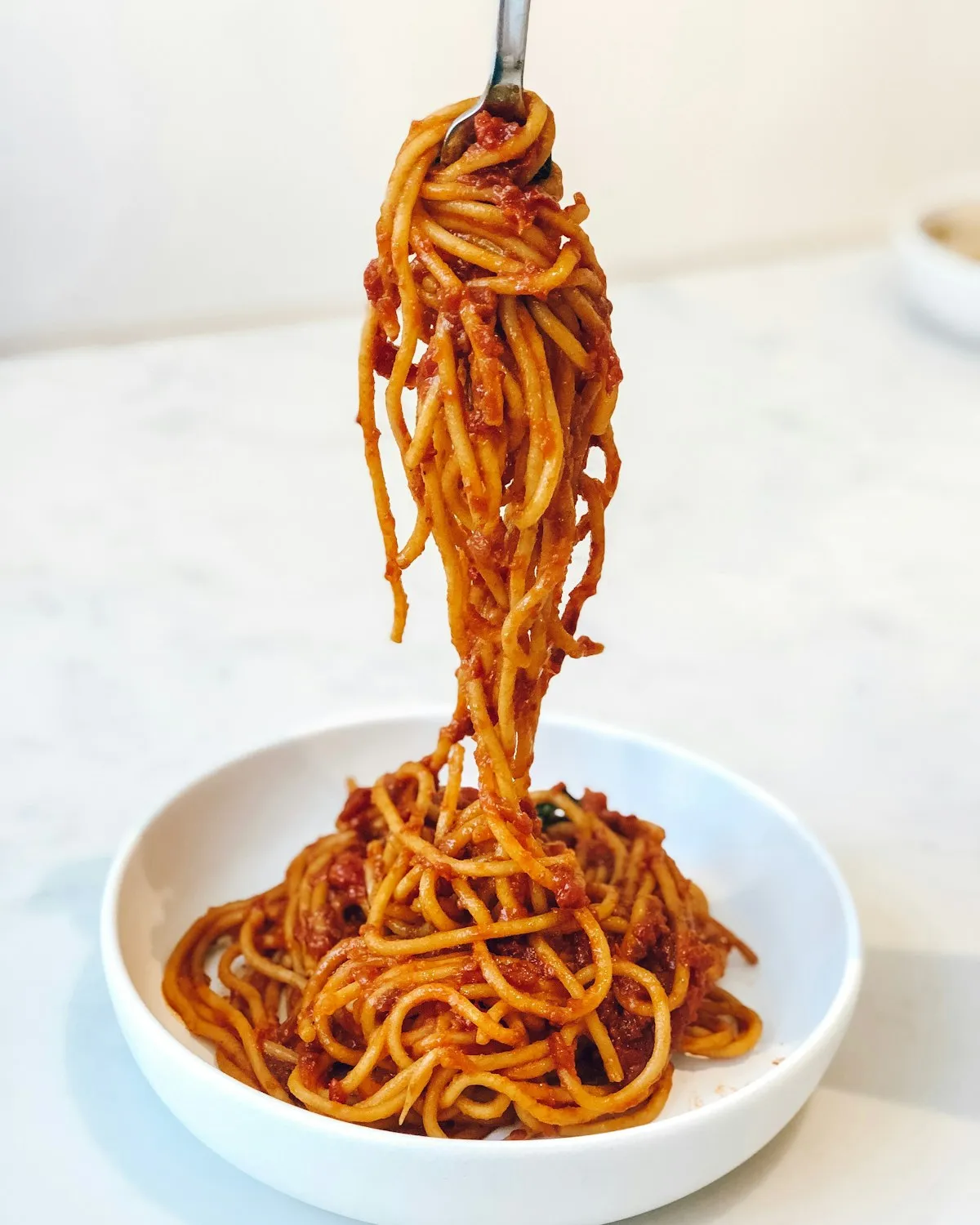
The biggest complaint I hear about zucchini noodles is that they turn into a watery puddle. Zucchini is roughly 95% water. If you just throw them into a pan with salt, the salt pulls that water out, a process called osmosis, and you end up with zucchini soup. To prevent this, treat your zoodles like a high-maintenance guest. Use a colander to salt them lightly about ten minutes before you cook. This forces the excess moisture out before they hit the heat. After they’ve sat, wrap them in a clean kitchen towel and squeeze. You want them as dry as possible. When they eventually hit the skillet, they should only stay there for a minute or two. You aren't "cooking" them as much as you are just warming them through to keep that "al dente" bite.
The Maillard Magic
Now, let's talk about the shrimp. To get those beautiful golden edges, you need the Maillard reaction. This is the chemical reaction between amino acids and reducing sugars that gives browned food its distinctive flavor. If your shrimp are wet when they hit the pan, they won't sear; they will steam. Steam happens at 212°F, but the Maillard reaction needs temperatures closer to 300°F. Use a paper towel and pat those shrimp until they are bone-dry.
Avoid crowding the pan at all costs. If you dump a whole bag of shrimp in at once, the temperature of the skillet will plummet, and they’ll start releasing juices, essentially poaching themselves in their own liquid. Cook them in a single, flat layer. Let them sit undisturbed for at least sixty seconds to build that crust. If you love this high-heat, fast-cooking style, you should definitely check out my 15-minute teriyaki beef stir-fry for another weeknight win.
Flavor Variations to Keep it Fresh
While garlic and butter are a match made in heaven, you can easily pivot this dish to suit your mood. If you want something with a bit more kick, lean into a Mediterranean profile. Add a spoonful of capers and some sun-dried tomatoes to the butter sauce. The saltiness of the capers provides a beautiful contrast to the sweetness of the shrimp.
For those who crave heat, a "Spicy Calabrian" version is incredible. Fold in a teaspoon of crushed red pepper flakes or some chopped Calabrian chilis right as the garlic begins to fragrance. The oil in the chilis will infuse into the butter, creating a vibrant orange sauce that coats every strand of zucchini.
If you are looking for quick family meals that feel a bit more substantial, you can also mix in some halved cherry tomatoes. As they hit the hot butter, they’ll blister and pop, creating a natural, jammy sauce that bridges the gap between the shrimp and the noodles perfectly.
Perfectly Balanced Pairings
Because this dish is rich in fats (hello, butter!) and light on carbs, you want to pair it with sides that offer acidity or a different textural crunch. A bright, citrus-heavy salad is your best friend here. Think arugula with a simple lemon-tahini dressing or even a quick cucumber salad with white wine vinegar. The acidity cuts right through the richness of the garlic butter, cleaning your palate between bites.
If you want to stick with the low-carb theme but want something with more "bite," I highly recommend serving this alongside some keto garlic parmesan roasted broccoli. The charred florets provide a bitter, nutty contrast to the sweet shrimp and tender zoodles. If you are ever in the mood for something even more hands-off, exploring air fryer recipes dinner options can provide that same crispy texture with even less cleanup.
Troubleshooting Your Garlic Butter Shrimp
What if my shrimp are still frozen?
Never cook shrimp from frozen if you want a good sear. The outside will turn rubbery before the inside even thaws. Place them in a bowl of cold water for 15 minutes; they thaw incredibly fast. Once thawed, refer back to the golden rule: pat them dry!
Can I use pre-spiralized zucchini?
Absolutely. It is a huge time-saver for quick family meals. Just be aware that pre-cut zoodles often sit in their own moisture in the packaging. They must be drained and patted dry even more thoroughly than the ones you spiralize yourself at home.
Why did my garlic turn bitter?
Garlic burns in the blink of an eye. If you put your minced garlic into the pan at the same time as the raw shrimp, it will be burnt to a crisp by the time the shrimp are opaque. Always add your garlic during the last 60 seconds of the shrimp's cooking time, or add it to the butter after the shrimp have been removed from the pan.
What if I don't have a spiralizer?
Don't let gear hold you back from healthy dinner ideas. You can use a standard vegetable peeler to create long, thin "ribbons" of zucchini. They cook even faster than the noodle shape, so you’ll only need to toss them in the pan for about 30 seconds.
Can I substitute the butter?
You can use olive oil or avocado oil, but you will miss that emulsified, creamy mouthfeel that butter provides. If you are dairy-free, a high-quality vegan butter substitute works well, or you can use a splash of full-fat coconut milk at the end to create a silky, Thai-inspired sauce instead.
How do I know the shrimp are done?
Watch the shape. A perfectly cooked shrimp curls into a "C" shape. If it curls tightly into an "O," you have overcooked it, and it will likely be rubbery. Remove them from the heat the second they turn opaque and reach that "C" curve.
{“@type”:”BlogPosting”,”image”:”https://cdn.marblism.com/4FofNEoEiAj.webp”,”author”:{“name”:”Penny”,”@type”:”Person”},”@context”:”https://schema.org”,”headline”:”15-Minute Garlic Butter Shrimp with Zucchini Noodles”,”keywords”:”air fryer recipes dinner, quick family meals, healthy dinner ideas”,”publisher”:{“logo”:{“url”:”https://cdn.marblism.com/KxroJ1kM_KA.webp”,”@type”:”ImageObject”},”name”:”Cookpedia”,”@type”:”Organization”},”description”:”Learn the science behind perfect garlic butter shrimp and how to prevent soggy zucchini noodles in this quick, 15-minute healthy dinner guide.”,”datePublished”:”2026-07-12″,”mainEntityOfPage”:{“@id”:”https://cookpedia.com/blog/garlic-butter-shrimp-zucchini-noodles”,”@type”:”WebPage”}}