Recipe
Servings
Servings 1×
Ingredients
- Penne
- Pasta
- Bread
- Broccoli
- Tomatoes
- Garlic
- Lemon
- Cream
- Butter
- Cooking oil
- Salt
- Black pepper
Method
- Prepare the ingredients described in the article and heat the cooking surface or oven as directed.
- Cook the main ingredients using the heat and timing guidance in the article.
- Finish with the seasonings and garnishes named in the article, then serve.
If you think a restaurant-quality dinner requires a three-hour simmer and a culinary degree, let me introduce you to the magic of vodka sauce. It is the ultimate "cheat code" of simple pasta recipes. In the time it takes you to boil water and scroll through your feed, you can have a bowl of silky, vibrant, and soul-warming pasta that looks like it cost thirty bucks at a Manhattan bistro. We’re talking about real food, high-impact flavor, and a budget-friendly approach that turns pantry staples into a masterpiece. Pull up a chair; I’m going to show you how to master the 15-minute Penne alla Vodka.
The Science of the "Volume Knob"
Why vodka? It’s not about getting a buzz, most of the alcohol evaporates long before the plate hits the table. Think of vodka as a "volume knob" for flavor. Many of the most delicious aromatic compounds in tomatoes and garlic are fat-soluble, meaning they don’t play well with water. Alcohol, however, acts as a bridge. It dissolves those stubborn flavors and carries them straight to your nose and palate. Without it, the sauce is just "creamy tomato." With it, it becomes complex, bright, and deeply savory.
Toasting the Paste for Maximum Depth
One of the best budget friendly recipes secrets is the humble can of tomato paste. Instead of just stirring it in, you must "toast" it. When you sauté tomato paste in olive oil until it turns from bright red to a deep, rusty brick color, you are caramelizing the natural sugars and cooking out the metallic "tinny" taste. This 3-minute step provides a foundation of umami that usually takes hours of slow-cooking to achieve. Use a wide skillet for this; more surface area means faster caramelization.
The Emulsification Insurance Policy
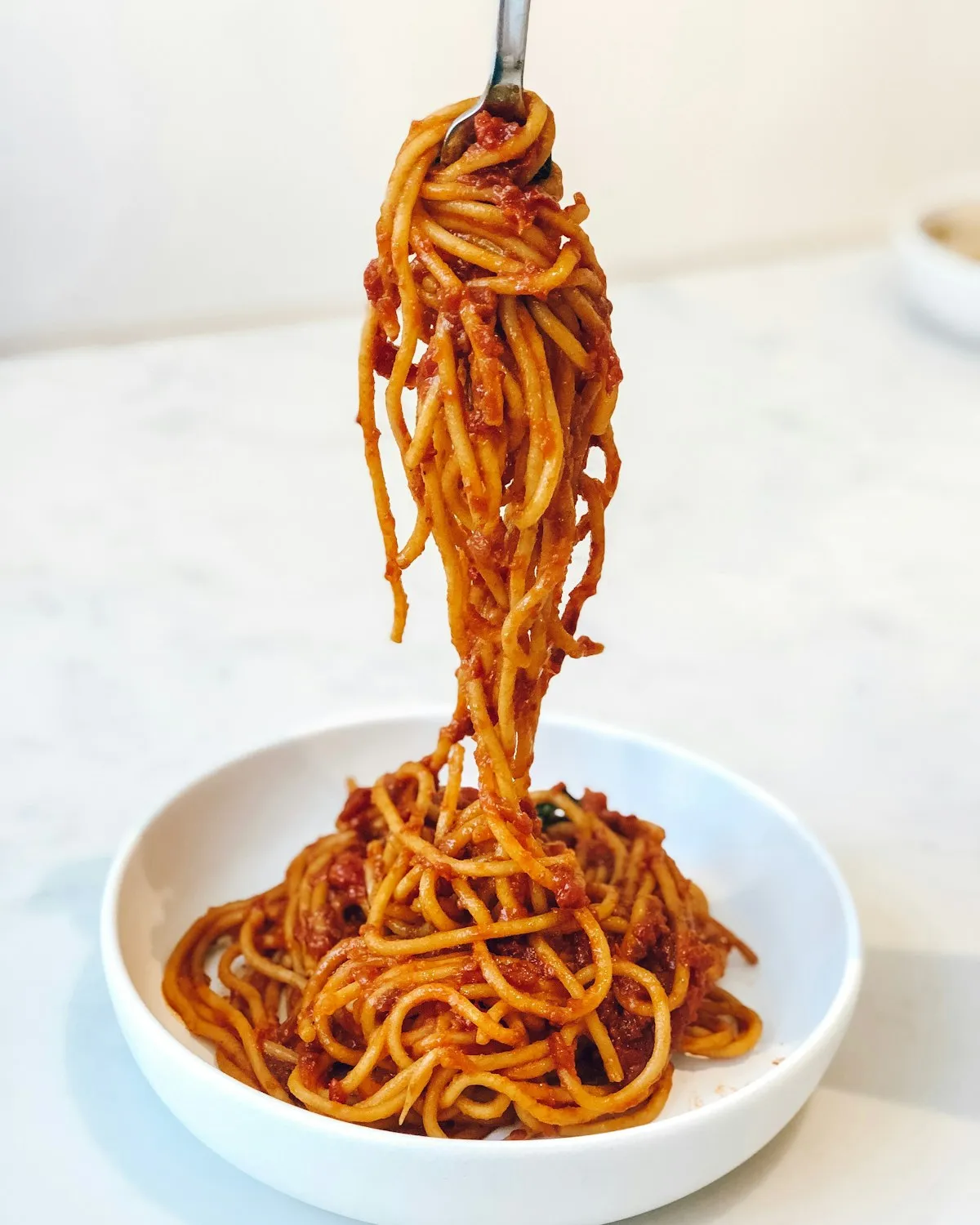
A common mistake in home cooking is a broken, greasy sauce where the oil separates from the cream. To avoid this, treat your pasta water like liquid gold. As your penne cooks, it releases starch into the water. Before you drain that pasta, scoop out a mugful of that cloudy liquid.
When you combine the pasta and sauce, add a splash of this starchy water. The starch acts as an emulsifier, binding the fat from the cream and cheese to the liquid in the sauce. This is how you achieve that perfect glossy sauce that clings to every ridge of the penne rather than pooling at the bottom of the bowl.
Parallel Processing: The 15-Minute Workflow
Efficiency is king here. Start your pasta water first, generously salted, like the sea. While the water comes to a boil, mince your garlic and prep your aromatics. The moment the pasta hits the water, start your sauce base. By the time the penne is al dente (firm to the bite), your sauce should be simmering and ready for the grand union. Never let your pasta sit in a colander getting sticky while you finish the sauce; the sauce waits for the pasta, or they finish together.
Flavor Variations and Substitutions
The beauty of this dish is its flexibility. While traditional versions often include pancetta or guanciale, you can keep this entirely vegetarian without losing the soul of the dish.
- The Protein Boost: If you want a bit of crunch, sauté small cubes of bacon or pancetta at the very beginning before adding your garlic. The rendered fat will add a smoky depth that pairs beautifully with the cream.
- The Heat Factor: If you like a "Spicy Vodka" vibe (à la Carbone), double the amount of red pepper flakes. Add them to the oil with the garlic to "bloom" the spice, which distributes the heat more evenly throughout the sauce.
- Dairy Alternatives: If you’re keeping things lighter, you can use half-and-half, though you’ll need to be more careful with the heat to prevent curdling. For a vegan version, full-fat cashew cream provides a similar richness that stands up well to the acidity of the tomatoes.
Balancing the Plate: Side Dish Pairings
Penne alla Vodka is undeniably rich. To make this a balanced meal, you need to introduce acidity and crunch to cut through the heavy cream and butter.
- The Arugula Salad: Toss baby arugula with nothing more than fresh lemon juice, high-quality olive oil, and a pinch of flaky salt. The peppery bite of the greens and the sharp citrus acidity act as a palate cleanser between bites of creamy pasta.
- Charred Broccolini: Throw some broccolini in your air fryer with a bit of garlic salt. The charred, slightly bitter florets provide a fantastic textural contrast to the soft penne.
- Garlic Rubbed Toast: If you’re leaning into the indulgence, take a thick slice of sourdough, toast it until golden, and rub a raw clove of garlic across the surface. It’s simple, effective, and perfect for mopping up any leftover sauce.
Frequently Asked Questions
Why did my sauce separate or look greasy?
This usually happens for two reasons: the heat was too high after adding the cream, or you didn't use enough pasta water. Cream is an emulsion of fat and water held together by proteins. If you boil it too vigorously, those proteins tighten up and "squeeze out" the fat. Keep the sauce at a gentle simmer. If it looks greasy, add another splash of starchy pasta water and toss vigorously; the starch will help pull the emulsion back together.
Can I make this without the alcohol?
You can, but it technically won't be "alla vodka." If you need to skip the booze, replace it with a squeeze of fresh lemon juice or a teaspoon of white wine vinegar at the very end. You won't get the same flavor-amplifying benefits of the alcohol, but the acidity will help brighten the heavy cream.
Does the brand of vodka matter?
Absolutely not. Do not waste your expensive, top-shelf sipping vodka on a pasta sauce. Use the most basic, neutral-tasting vodka you can find. Since we are cooking off the ethanol and leaving behind the solvent properties, the subtle nuances of an expensive bottle would be lost anyway. Save the good stuff for a martini.
Can I use whole canned tomatoes instead of paste?
Yes, but it will take longer than 15 minutes. Whole tomatoes contain a lot of water that needs to be cooked down to achieve a concentrated flavor. For the 15-minute version, the combination of tomato paste and a little tomato purée (passata) gives you that "all-day" flavor in a fraction of the time.
How do I store and reheat leftovers?
Pasta with cream sauce can be tricky to reheat as the pasta continues to soak up the moisture. Store it in an airtight container for up to 3 days. When reheating, add a tiny splash of water or milk before microwaving or heating on the stovetop. This "re-hydrates" the sauce and prevents it from becoming a dry, clumpy mess.
Check out our other quick family meals for more weeknight inspiration that doesn't sacrifice quality for speed. Cooking shouldn't be a chore; it should be the best part of your day. Now, go boil some water.
{“@type”:”BlogPosting”,”image”:”https://cdn.marblism.com/media/r_15_min_penne_vodka_hero.webp”,”author”:{“name”:”Penny”,”@type”:”Person”},”@context”:”https://schema.org”,”headline”:”Simple Pasta Recipes: 15-Minute Penne alla Vodka”,”keywords”:”simple pasta recipes, budget friendly recipes, penne alla vodka, 15 minute meals, healthy dinner ideas”,”publisher”:{“logo”:{“url”:”https://cookpedia.com/logo.png”,”@type”:”ImageObject”},”name”:”Cookpedia”,”@type”:”Organization”},”description”:”Learn how to make a restaurant-quality Penne alla Vodka in just 15 minutes. This guide covers the science of vodka sauce, budget-friendly tips, and emulsification techniques.”,”datePublished”:”2026-06-10T04:00:00Z”,”mainEntityOfPage”:{“@id”:”https://cookpedia.com/simple-pasta-recipes-15-minute-penne-alla-vodka”,”@type”:”WebPage”}}