Recipe
Servings
Servings 1×
Ingredients
- Shrimp
- Quinoa
- Noodles
- Rice
- Bread
- Cauliflower
- Asparagus
- Peas
- Garlic
- Fresh ginger
- Honey
- Butter
- Chili seasoning
- Black pepper
Method
- Let’s stop pretending that "healthy" has to mean "time-consuming." Grab your pan; we’re making something spectacular.
- Add your ginger and garlic toward the middle or end of the process, or move your proteins to the side of the pan to create a "cool zone" for the aromatics to bloom without scorching.
- Toss in a teaspoon of red chili flakes or a dollop of chili garlic sauce right as the shrimp finish cooking.
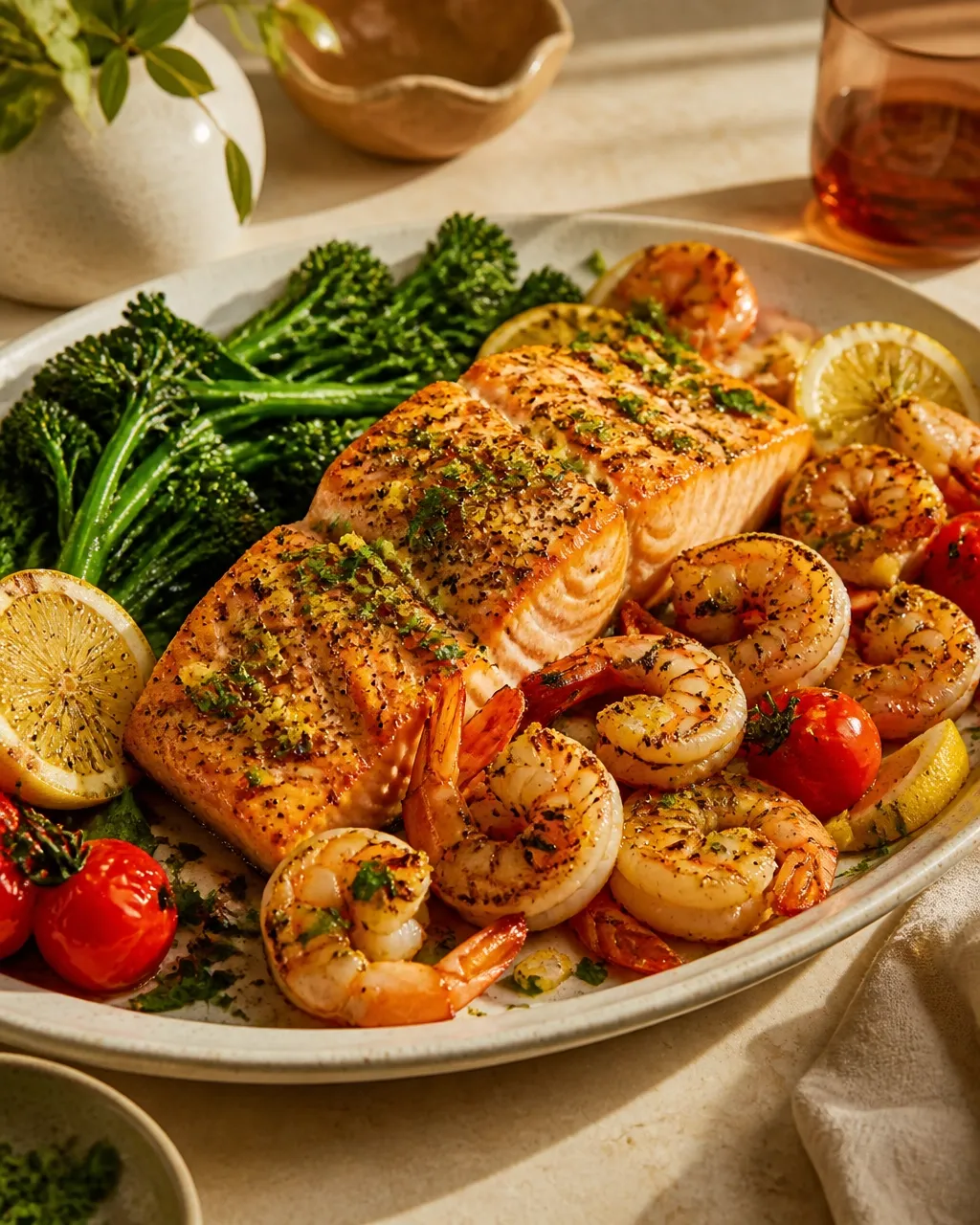
If you have fifteen minutes, you have a gourmet dinner. I’m not talking about a sad bowl of cereal or a piece of toast over the sink, I’m talking about succulent, snappy, garlic-kissed shrimp that taste like they came from a high-end bistro. When weeknight chaos hits, these are the kind of quick family meals that save your sanity and your appetite. Let’s stop pretending that "healthy" has to mean "time-consuming." Grab your pan; we’re making something spectacular.
The Science of the Perfect Snap and Sear
Cooking shrimp is a race against the clock, and the science of protein denaturation is your biggest hurdle. Shrimp are composed of loosely packed muscle fibers and a lot of water. The moment they hit a hot pan, those proteins begin to uncoil and then tighten. If you cook them too long, they squeeze out all their moisture, leaving you with something resembling a rubber eraser. To avoid this, use a high-heat sear. You want the outside to caramelize, hello, Maillard reaction: before the inside has a chance to toughen up.
Watch the shape of your shrimp like a hawk. A "C" shape means they are cooked perfectly; an "O" shape means you’ve gone too far and they are overcooked. I always suggest pulling them off the heat when they are just shy of being fully opaque in the center. The residual heat (carryover cooking) will finish the job while you’re plating. This technique ensures your shrimp stay juicy and tender every single time.
Now, let’s talk about those snap peas. They contain a high amount of pectin, which gives them that satisfying "snap." If you boil them or steam them into oblivion, you break down those cell walls and end up with mush. Instead, flash-fry them. By keeping the cooking time under two minutes, you preserve the chlorophyll (keeping them vibrant green) and the structural integrity of the pea. You want a contrast between the soft, buttery shrimp and the explosive crunch of the vegetable.
Finally, respect your aromatics. Garlic and ginger are the soul of this dish, but they are also incredibly fragile. Garlic contains sugars that burn at relatively low temperatures. If you throw minced garlic into a screaming hot pan at the very beginning, it will turn bitter before the shrimp even turn pink. Add your ginger and garlic toward the middle or end of the process, or move your proteins to the side of the pan to create a "cool zone" for the aromatics to bloom without scorching.
Creative Variations for Every Cravings
One of the reasons this is one of my favorite healthy dinner ideas is how easily it adapts to what’s in your fridge. If you’re craving heat, don’t just reach for black pepper. Toss in a teaspoon of red chili flakes or a dollop of chili garlic sauce right as the shrimp finish cooking. The capsaicin in the peppers will cut through the richness of the garlic butter and wake up your palate.
For those who prefer a bit of sweetness to balance the pungent ginger, a drizzle of honey or maple syrup creates a beautiful glaze. The sugars will quickly caramelize under the high heat, coating the shrimp in a sticky, savory sauce. If you’re looking for more air fryer recipes dinner inspiration, you can actually toss the shrimp and snap peas in the air fryer basket at 400°F for about 5-6 minutes. It’s a great way to get that crispy texture with even less active monitoring.
If you find yourself without snap peas, don't panic. Asparagus tips or thinly sliced bell peppers work beautifully here. The goal is to choose a vegetable with a similar water content so you don't end up steaming the shrimp in the pan. Just remember: the harder the vegetable, the smaller you should slice it to ensure it cooks in that magic 15-minute window.
Perfect Side Dish Pairings
Since the flavors of garlic and ginger are so bold, you want a side dish that can absorb the extra sauce without competing for attention. Fluffy jasmine rice is the gold standard here; its subtle floral aroma complements the ginger beautifully. If you’re keeping things low-carb, cauliflower rice is an excellent alternative. Sauté the cauliflower rice in the same pan after you remove the shrimp to pick up all those delicious browned bits (fond) left behind.
For a bit more texture, try pairing this with a quick quinoa salad or even cold soba noodles. If you’re looking for more variety in your weekly rotation, check out our Recipe Database for other quick-cooking grains. A simple side of smashed cucumbers with a splash of rice vinegar also provides a cooling, acidic contrast that refreshes the mouth between bites of the savory, garlicky shrimp.
Frequently Asked Questions
Can I use frozen shrimp for this?
Absolutely. In fact, most "fresh" shrimp at the grocery store were previously frozen anyway. The key is to thaw them completely and, most importantly, pat them bone-dry with paper towels. If they are wet when they hit the pan, they will steam rather than sear, and you’ll lose that beautiful golden crust.
Why are my snap peas turning gray?
This is a classic sign of overcooking. When the heat breaks down the cell structure of the green vegetable, the acids within the plant are released and react with the chlorophyll, changing the color from bright green to a dull olive-gray. Keep your cooking time short and hot to prevent this.
Is it okay to leave the tails on?
This is purely a personal preference. Leaving the tails on makes for a more beautiful presentation and adds a bit of extra flavor to the oil as they cook. However, if you’re serving this to kids or just don't want to get your hands dirty while eating, feel free to peel them entirely before you start.
What if I don't have fresh ginger?
While fresh ginger provides a zesty heat that ground ginger can't quite replicate, you can use a ginger paste in a pinch. Avoid using the dried ground ginger from your spice cabinet for this specific dish, as the flavor profile is much more earthy and less "bright," which can make the dish feel heavy rather than fresh.
How can I make this even faster?
To keep this in the realm of quick family meals, buy your shrimp already peeled and deveined. Many stores also sell pre-washed snap peas and jars of minced garlic. While I’m a fan of fresh-chopped, these shortcuts are total lifesavers when you’re staring down a hungry family at 6:00 PM on a Tuesday.
Can I use a different oil?
Use an oil with a high smoke point, like avocado, grapeseed, or canola oil. Avoid extra virgin olive oil for the high-heat portion of the cooking, as it can smoke and develop an unpleasant flavor at stir-fry temperatures. If you want that olive oil flavor, drizzle a little bit over the finished dish right before serving.
For more inspiration on fast, soulful cooking, take a look at our 15-Minute Thai Salmon Stir-Fry for another high-speed, high-flavor win!