Recipe
Servings
Servings 1×
Ingredients
- Chicken
- Cod
- Tomatoes
- Garlic
- Lemon
- Cooking oil
- Salt
- Black pepper
Method
- Use a heavy-rimmed baking sheet to ensure even heat conduction from the bottom up.
- Use a high-quality extra virgin olive oil.
- Use buttery Castelvetrano olives for a milder, sweeter flavor, or stick to the intense, wine-cured Kalamata for that traditional Greek punch.
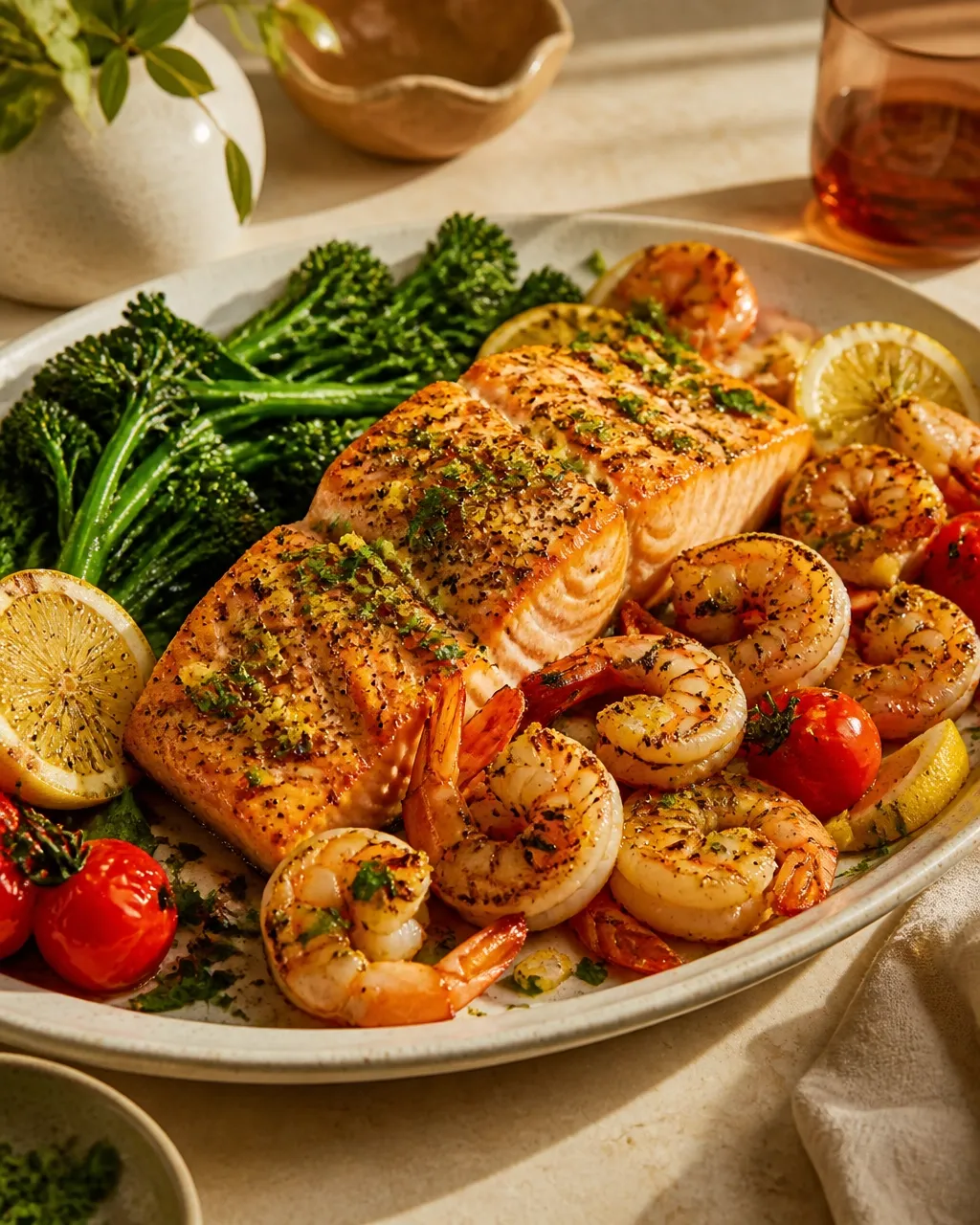
If you are tired of the same old chicken rotation, it is time to bring a little sunshine from the Mediterranean coast directly into your kitchen. This sea bass dish is the ultimate solution for anyone looking for quick family meals that do not require a culinary degree or three hours of scrubbing pans. It is light, elegant, and packed with enough salty, briny flavor to make you forget you are just having a Tuesday night dinner.
The Science of the Sheet Pan
Cooking fish can be intimidating, but the sheet pan is your greatest ally. The secret to this technique lies in heat distribution and moisture management. When you bake sea bass alongside olives and tomatoes, you are not just cooking the fish; you are creating a self-basting ecosystem. As the cherry tomatoes heat up, their skins burst, releasing acidic juices that mingle with the olive oil and the brine from the olives. This creates a light "sauce" right on the pan that keeps the fish from drying out in the oven's dry air.
Understand the protein structure of fish to master the bake. Fish muscle fibers are much shorter than those in beef or chicken, and the connective tissue (collagen) melts at much lower temperatures. This is why fish cooks so quickly and why it can go from perfect to "rubber eraser" in a matter of sixty seconds. Use a heavy-rimmed baking sheet to ensure even heat conduction from the bottom up.
Stop guessing when the fish is done. Invest in a digital meat thermometer. Pull your sea bass out of the oven when the internal temperature hits 135°F (57°C). Do not wait for 145°F. Because of carryover cooking, the residual heat will continue to raise the temperature of the fish while it rests on the counter. If you leave it in until it hits 145°F, it will be overcooked by the time you sit down to eat.
Check the thickness of your fillets before you start. If you have one thick fillet and one thin tail piece, tuck the thin tail underneath itself to create a uniform thickness. This prevents the thin parts from turning into jerky while the thick center is still raw. Line your pan with parchment paper to prevent the delicate skin from sticking and to make your cleanup a five-second job. This efficiency is exactly why we love these types of quick family meals.
Focus on the quality of your fats. Use a high-quality extra virgin olive oil. Since the fish is lean, the oil provides the mouthfeel and carries the fat-soluble flavors of the herbs and garlic. Avoid using "light" olive oil here; you want the peppery, robust notes of the good stuff.
Flavor Variations and Adjustments
While the lemon-olive-caper trio is a classic for a reason, you can easily pivot based on what is in your pantry. If you want a bit of heat, toss in some sliced Calabrian chilis or a heavy pinch of crushed red pepper flakes. The capsaicin cuts through the richness of the sea bass and provides a beautiful contrast to the salty olives.
For those who love their modern gadgets, you can adapt this for the air fryer. If you are looking for air fryer recipes dinner enthusiasts will love, simply place the fillets and olives in the basket and air fry at 380°F for 8-10 minutes. The high-velocity air creates a slightly crispier exterior while keeping the center succulent.
Switch up the olives to change the entire profile. Use buttery Castelvetrano olives for a milder, sweeter flavor, or stick to the intense, wine-cured Kalamata for that traditional Greek punch. You can even swap the sea bass for red snapper or cod if the market is out of bass. Just remember that thicker white fish like cod may require an extra two to three minutes in the heat. Adding a splash of dry white wine to the pan halfway through the cooking process is another pro move, the alcohol evaporates, leaving behind a complex acidity that balances the salt.
Side Dish Pairings for Balance
A great dish is only as good as its supporting cast. Since the sea bass and olives are quite salty and acidic, you need sides that provide balance. Think of your plate in terms of texture and pH. A starchy base like herb-flecked couscous or a simple quinoa pilaf works wonders because it soaks up all that liquid gold remaining on the baking sheet.
For more healthy dinner ideas, pair the fish with roasted asparagus or a quick arugula salad tossed with nothing but lemon juice and a tiny bit of salt. The bitterness of the arugula acts as a palate cleanser against the fatty sea bass. If you want something heartier, try a crusty piece of sourdough bread to mop up the juices. If you are following a keto lifestyle, a bed of sautéed spinach or zucchini noodles is the perfect low-carb companion. Avoid heavy, creamy sauces; they will overwhelm the delicate flavor of the sea bass and make the whole meal feel weighed down. Stick to bright, fresh, and fibrous sides.
Frequently Asked Questions
Can I use frozen sea bass for this?
Yes, but you must thaw it completely and pat it extremely dry with paper towels. Frozen fish often carries excess moisture; if you don't dry it, the fish will steam rather than bake, resulting in a mushy texture. The science is simple: water on the surface absorbs heat to evaporate, which prevents the Maillard reaction (browning) and lowers the effective cooking temperature of the proteins.
Do I have to leave the skin on?
Keep the skin on during baking! Even if you don't plan on eating it, the skin acts as a protective barrier between the delicate flesh and the hot pan. It helps retain moisture and keeps the fillet from falling apart when you try to plate it. If you want crispy skin, start the fish skin-side up for the first five minutes, then carefully flip.
What if my olives are too salty?
If you find olives to be salt bombs, soak them in cold water for ten minutes before adding them to the pan. This leaches out the excess brine without stripping away the flavor. This is a crucial step if you are also using capers, as the cumulative salinity can easily ruin a dish.
Why did my fish turn out tough?
You overcooked it. It is the most common crime in home kitchens. Fish proteins are very sensitive to heat. Once they reach a certain temperature, they contract tightly and squeeze out all their moisture. This is why we insist on pulling the fish at 135°F. If it looks "perfect" in the oven, it will be dry on the plate.
Is sea bass the same as Branzino?
In many cases, yes. European Sea Bass is commonly marketed as Branzino. It is a fantastic choice for healthy dinner ideas because it is rich in Omega-3 fatty acids but remains a relatively lean white fish compared to salmon.
Can I make this ahead of time?
Fish is best enjoyed immediately. However, if you have leftovers, do not microwave them. Reheat them gently in a pan with a splash of water and a lid to create a steam-room effect, or flake the cold fish over a salad the next day. This preserves the delicate protein structure.
Looking for more inspiration? Check out our recipe database for more air fryer recipes dinner ideas and quick weeknight solutions!