Recipe
Servings
Servings 1×
Ingredients
- Asparagus
- Garlic
- Lemon
- Balsamic vinegar
- Hard cheese
- Cooking oil
- Black pepper
Method
- Use the "snap method": hold the stalk at both ends and bend it until it breaks.
- Pat your asparagus bone-dry before it touches any oil.
- Give them space to breathe.
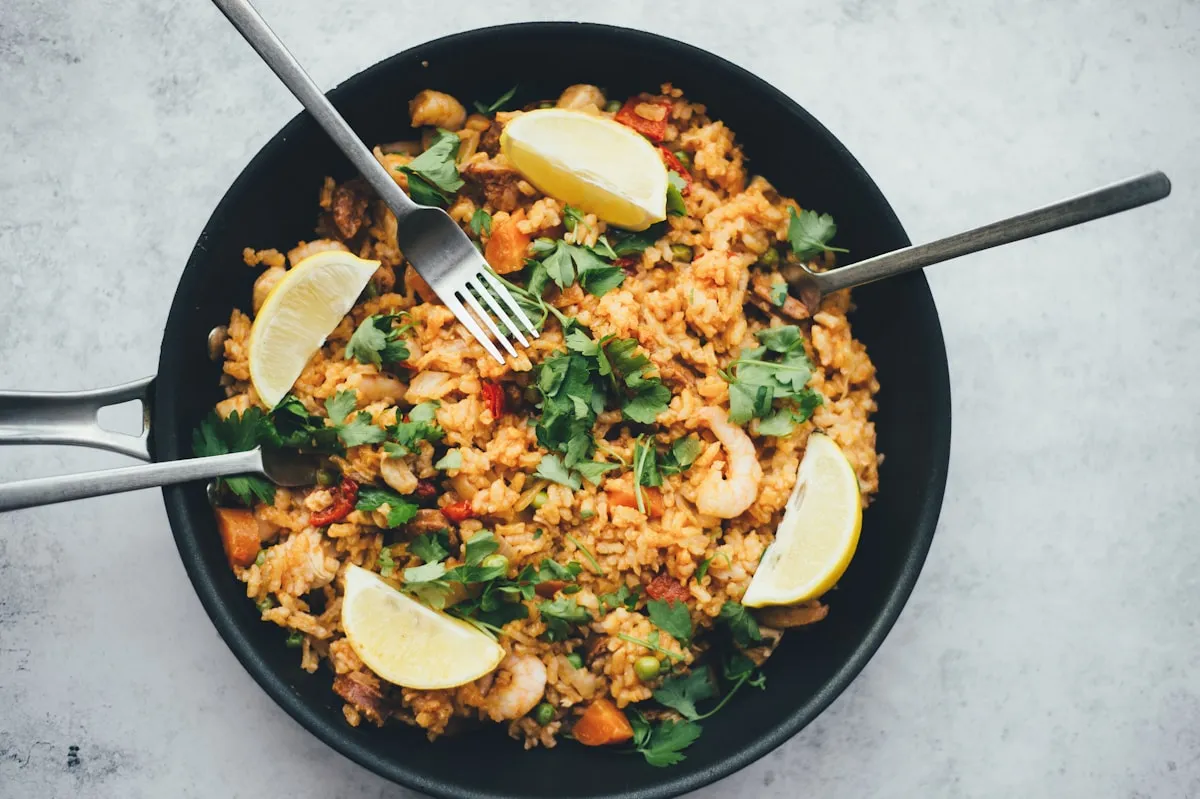
If you’ve ever sat through a dinner where the asparagus was a limp, grey shadow of its former self, I’m here to tell you that’s a culinary crime. Asparagus is a powerhouse of flavor, but it is notoriously sensitive to time and temperature. My 15-minute garlic parmesan asparagus is the ultimate solution for anyone craving a high-impact side dish without the long-haul commitment. Whether you are looking for healthy dinner ideas or just want to spruce up a Tuesday night, this dish delivers a punchy, savory crunch that feels like it took way longer than it actually did.
The Science of the Perfect Snap and Sear
Getting asparagus right isn't just about luck; it's about understanding the cellular biology of the stalk. The base of an asparagus spear is packed with lignin: a complex organic polymer that makes the plant "woody" and tough to chew. You must find the natural breaking point where the lignin ends and the tender cellulose begins. Use the "snap method": hold the stalk at both ends and bend it until it breaks. It will naturally snap right where the woodiness stops. Don't eyeball it with a knife; trust the physics of the plant to tell you where to cut.
Once you’ve prepped your spears, the magic happens through the Maillard reaction. This is the chemical dance between amino acids and reducing sugars that occurs when food hits high heat (usually above 285°F). To achieve that perfect golden-brown crust on your garlic and parmesan, you need to eliminate surface moisture. Pat your asparagus bone-dry before it touches any oil. If it’s wet, the energy from your pan or oven will go into evaporating water (steam) rather than browning the surface. Steaming results in that sad, soggy texture we are trying to avoid.
Thermal conductivity also plays a huge role here. Whether you are roasting or using an air fryer, do not crowd the pan. If the spears are touching, you’ve created a humid micro-climate that prevents browning. Give them space to breathe. High heat for a short duration (about 12 to 15 minutes) allows the exterior to undergo caramelization while the interior stays vibrant and "tender-crisp." If you’re exploring air fryer recipes dinner options, the high-velocity hot air is your best friend for maximizing that surface area crispiness in record time.
Finally, consider the garlic. Garlic contains sulfur compounds that become more potent the more you rupture its cell walls. Minced or crushed garlic will give you a far more intense flavor profile than sliced garlic because you’re releasing more of the enzyme alliinase. However, garlic burns at a much lower temperature than the asparagus cooks. To prevent a bitter, acrid mess, toss the garlic and parmesan with the asparagus during the final few minutes of cooking. This ensures the cheese melts and the garlic browns without turning into carbon.
Flavor Variations for the Curious Cook
While garlic and parmesan are a powerhouse duo, the structural integrity of asparagus allows for several high-impact variations. If you find the richness of the cheese a bit heavy, introduce acidity. A zest of fresh lemon right before serving provides a bright contrast to the salty parmesan. The citric acid cuts through the fat of the cheese and highlights the natural sweetness of the roasted vegetable.
For those who enjoy a bit of heat, a pinch of crushed red pepper flakes added during the final toss creates a "hot and savory" profile that works beautifully with grilled meats. You can also experiment with texture by adding toasted panko breadcrumbs at the very end. The science here is all about "mouthfeel": the contrast between the snap of the asparagus and the crunch of the crumb keeps the palate engaged.
If you are looking for quick family meals that feel fancy, try a balsamic drizzle. The sugars in balsamic vinegar will caramelize further under residual heat, creating a sweet and tangy glaze that sticks to the parmesan. Just remember: always add your liquid elements after the high-heat roasting phase to ensure you don’t lose that hard-earned Maillard browning.
Side Dish Pairings for a Balanced Plate
Asparagus is a versatile player, but it thrives when paired with proteins that share its savory depth. Because this dish is heavy on the umami: thanks to both the garlic and the parmesan: it pairs exceptionally well with seared salmon or a lean steak. The earthy notes of the asparagus bridge the gap between the richness of the meat and the lighter elements of your meal.
If you’re keeping things plant-based, try pairing it with a lemon-herb quinoa or a hearty farro salad. The grain provides a nutty base that absorbs any leftover garlic-infused oil. For a lighter touch, a simple white fish like cod or tilapia, seasoned with nothing but salt and pepper, allows the bold flavors of the garlic parmesan asparagus to take center stage. Always aim for a balance of textures: something soft, something crispy, and something fresh.
Frequently Asked Questions
Why does my asparagus always turn out mushy?
Mushiness is almost always a result of overcooking or overcrowding. When you cook asparagus for too long, the heat breaks down the hemicellulose in the cell walls completely, leading to a loss of structural integrity. Use high heat and a timer. Aim for a bright green color; if it’s turning olive-drab, you’ve gone too far.
Can I use frozen asparagus for this?
You can, but the texture will never be identical to fresh. Frozen vegetables are blanched before freezing, which ruptures some cell walls. If you must use frozen, cook it straight from the freezer at a very high temperature to evaporate the ice crystals quickly. Avoid thawing it first, or you’ll end up with a watery mess.
Should I use thick or thin stalks?
This is a matter of preference, but the physics change. Thin stalks cook faster and offer more "crunchy tip" surface area. Thick stalks have a more substantial, meaty interior. If you have thick spears, you may need to peel the bottom inch of the stalk with a vegetable peeler to remove the toughest outer layer before roasting.
Why does my garlic taste bitter?
Bitter garlic is burnt garlic. Because minced garlic is so small, it has a high surface-area-to-volume ratio, meaning it cooks incredibly fast. If you add it at the beginning of a 15-minute roast, it will burn. Add it halfway through or toward the end to ensure it reaches that sweet, golden-brown stage without crossing over into bitterness.
Why does asparagus make my urine smell?
This is due to the breakdown of asparagistic acid into sulfur-containing volatile compounds. Not everyone can smell it (it’s a genetic trait!), but it’s a completely harmless byproduct of your body processing the unique nutrients found in the vegetable. Think of it as proof that you’re eating your greens!
How do I store leftovers without them getting soggy?
Store them in an airtight container, but wait until they are completely cool before closing the lid. If you trap the steam, they will soften. To reheat, avoid the microwave; use a toaster oven or air fryer for two minutes to revive that crispy parmesan crust. It's one of the best ways to keep your healthy dinner ideas tasting fresh even the next day.