Recipe
Servings
Servings 1×
Ingredients
- Quinoa
- Broccoli
- Asparagus
- Garlic
- Lemon
- Hard cheese
- Butter
- Cooking oil
- Salt
- Black pepper
Method
- Use paper towels and pat your fillets until they are bone-dry before you even think about adding the coating.
- Use garlic powder in the dry crust for consistent browning and stir a small amount of freshly minced garlic into your fat binder for a pungent, soul-satisfying kick.
- Toss them in a bit of olive oil and salt and roast them on the same sheet pan as the fish.
You know those nights when the clock is ticking, the fridge looks uninspired, and your energy is at an all-time low? I’ve been there. You want something that tastes like a weekend celebration but takes less time than a commercial break. That is where my 15-minute Garlic Parmesan Tilapia comes in. It is the ultimate solution for quick family meals that feel soulful, look elegant, and actually respect your schedule. It’s light, crispy, and packed with that savory punch we all crave.
The Science of the Golden Crust
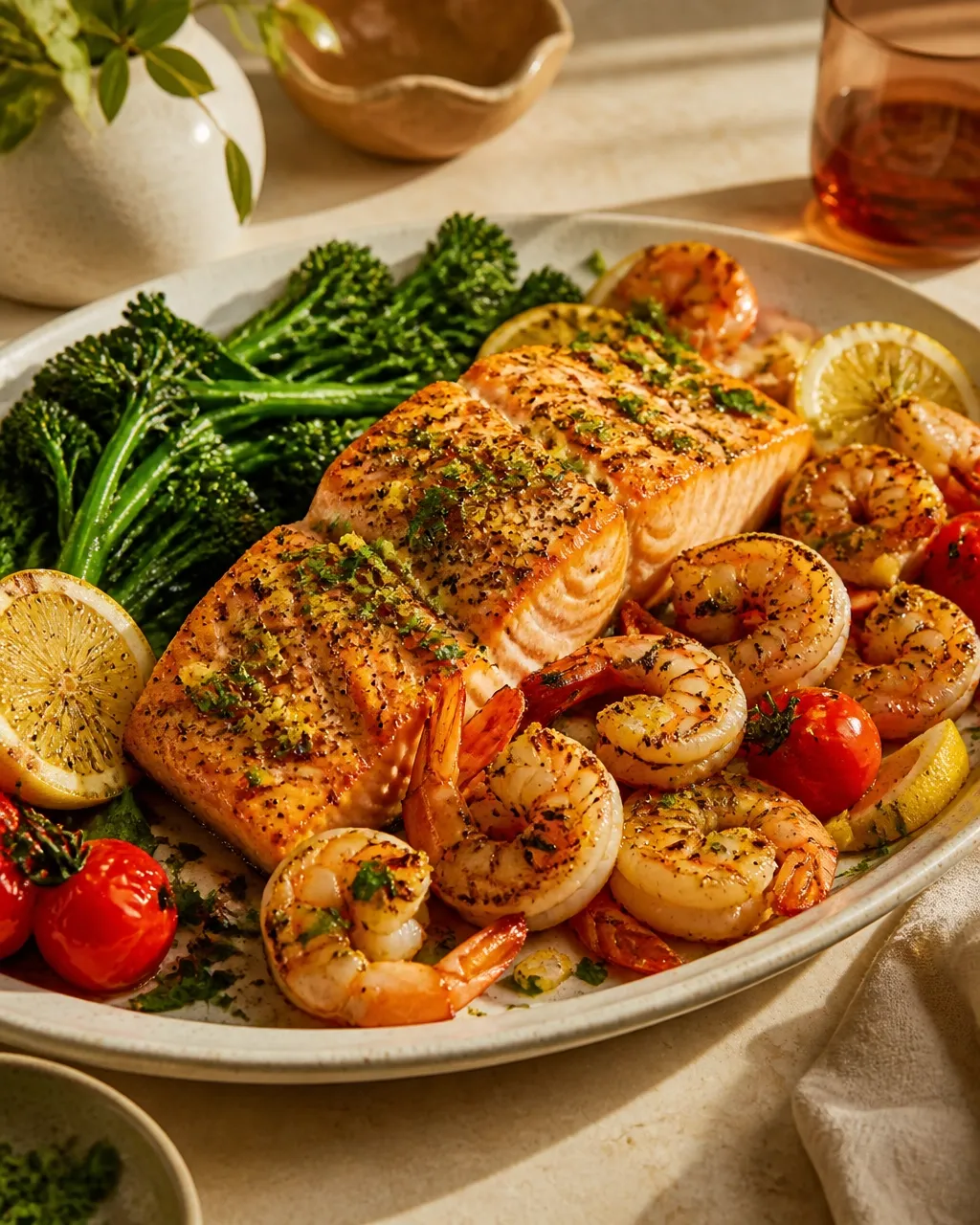
Achieving a restaurant-quality crust in fifteen minutes isn't magic; it is chemistry. The star of the show here is the Maillard reaction. This is the chemical dance between amino acids and reducing sugars that gives browned food its distinctive, savory flavor. When you combine finely grated Parmesan with a high-heat environment, the proteins in the cheese undergo this transformation rapidly, creating a nutty, complex exterior that protects the delicate fish underneath.
To make this work, you must manage moisture like a pro. Tilapia is a lean, high-moisture fish. If you put a wet fillet into the oven, that moisture turns into steam. Steam is the enemy of the crunch. It keeps the surface temperature at 212°F (100°C), which is far too low for the Maillard reaction to kick in. Use paper towels and pat your fillets until they are bone-dry before you even think about adding the coating. This simple step ensures the heat goes directly into crisping the crust rather than evaporating water.
Fat is your next non-negotiable. Whether you choose melted butter or a thin swipe of mayonnaise, the fat acts as a heat conductor. It fills the microscopic gaps between the fish and the parmesan, ensuring even browning and preventing the delicate flesh from drying out. If you are exploring healthy dinner ideas, don't fear the fat; it is what keeps the fish moist while the outside gets that satisfying snap.
Temperature control is the final piece of the puzzle. Aim for a high-heat environment, usually around 400°F to 425°F. This aggressive heat ensures the crust browns in the exact amount of time it takes for the thin tilapia fillets to reach an internal temperature of 145°F. Check the thickness of your fillets; thinner pieces need that higher blast of heat to color before they overcook. If the crust isn't quite there but the fish is done, use the broiler for a final sixty-second sprint. Watch it like a hawk, though, parmesan goes from golden to charred in a heartbeat.
Flavor Variations for Every Mood
One of the reasons this dish is a staple in my kitchen is its versatility. Once you master the basic ratio of cheese to heat, you can play with the profile to suit your pantry. For a Mediterranean vibe, incorporate dried oregano and a hint of lemon zest directly into your parmesan mix. The citrus oils released during cooking add a bright, aromatic layer that cuts right through the richness of the cheese.
If you like a bit of heat, add a pinch of smoked paprika or cayenne pepper. The paprika not only provides a gentle warmth but also enhances the visual appeal, giving the fish a deep, amber glow that looks stunning on the plate. For those who love bold aromatics, try a "garlic two-way" approach. Use garlic powder in the dry crust for consistent browning and stir a small amount of freshly minced garlic into your fat binder for a pungent, soul-satisfying kick.
For those looking to expand their repertoire of air fryer recipes dinner, this technique translates perfectly. The circulating air in a fryer is essentially a Maillard machine, browning the parmesan even more efficiently than a standard oven. It is a fantastic way to keep the kitchen cool while delivering a "fried" texture without the heavy oil.
Balancing the Plate: Side Dish Pairings
Because the Garlic Parmesan Tilapia is inherently rich and savory, your sides should focus on acidity and freshness to provide balance. Think of your plate as a scale; the heavy, salty parmesan needs a counterweight. A simple arugula salad with a sharp lemon vinaigrette is my go-to. The peppery bite of the greens and the acid from the lemon cleanse the palate between bites of the buttery fish.
If you want something warm, roasted asparagus or broccolini are excellent choices. Toss them in a bit of olive oil and salt and roast them on the same sheet pan as the fish. They’ll finish at roughly the same time, keeping your cleanup to a minimum. For a more substantial meal, a small scoop of quinoa or a side of my viral garlic butter ramen hack can turn this into a comforting feast that feels far more indulgent than its 15-minute prep time suggests.
FAQ: Mastering the "What-Ifs"
What if my crust keeps falling off the fish?
This usually happens for two reasons: moisture or lack of "glue." Ensure the fish is patted completely dry. If there is a film of water on the fish, the crust will simply slide off as the water turns to steam. Also, ensure your binder (butter, oil, or mayo) is applied in a thin, even layer. Think of it as a primer for the parmesan.
Can I use frozen tilapia fillets?
Yes, but you must thaw them completely first. Cooking from frozen will release a massive amount of water into the crust, resulting in a soggy, gray mess. Thaw them in the fridge overnight or in a sealed bag under cold running water, then dry them thoroughly.
Why did my garlic turn bitter?
Fresh garlic can burn quickly at high temperatures. If you are using minced garlic, ensure it is tucked under the parmesan layer or mixed into the fat binder. This shields it from direct radiant heat. If you’re worried, stick to garlic powder in the crust; it’s much more heat-tolerant and provides an even flavor distribution.
How do I know for sure the fish is done?
Invest in an instant-read thermometer. You are looking for an internal temperature of 145°F (63°C). If you don't have one, use a fork to gently twist the thickest part of the fillet. It should flake easily and look opaque all the way through. Avoid overcooking, as tilapia becomes rubbery once it passes the 150°F mark.
Is this recipe suitable for meal prep?
While you can reheat it, the crust will lose its signature snap in the microwave. If you are eating leftovers, I recommend reheating them in a toaster oven or back in the air fryer for 3–4 minutes to revive that crunch. It makes for a fantastic protein addition to a cold salad the next day!
{“@type”:”BlogPosting”,”image”:[“https://cdn.marblism.com/iINuJ8EVkHn.webp”,”https://cdn.marblism.com/Mbae0BGAaSG.webp”,”https://cdn.marblism.com/joBmqhI6Oyc.webp”,”https://cdn.marblism.com/I_OwCOdJVlK.webp”],”author”:{“name”:”Penny”,”@type”:”Person”},”@context”:”https://schema.org”,”headline”:”15-Minute Garlic Parmesan Tilapia: Minimalist & Soulful”,”publisher”:{“logo”:{“url”:”https://cookpedia.com/logo.png”,”@type”:”ImageObject”},”name”:”Cookpedia”,”@type”:”Organization”},”description”:”A minimalist and soulful 15-minute Garlic Parmesan Tilapia recipe perfect for quick family meals. Learn the science of the perfect crust and healthy dinner ideas.”,”datePublished”:”2026-06-19″,”mainEntityOfPage”:{“@id”:”https://cookpedia.com/15-minute-garlic-parmesan-tilapia”,”@type”:”WebPage”}}