Recipe
Servings
Servings 1×
Ingredients
- Shrimp
- Pasta
- Noodles
- Bread
- Spinach
- Tomatoes
- Onion
- Garlic
- Lemon
- Cream
- Butter
- Cooking oil
- Chili seasoning
- Black pepper
Method
- Use a low to medium heat for the garlic; you want it golden and fragrant, not bitter and burnt.
- Add your reserved pasta water gradually.
- Start with about half a cup.
- Use high heat and toss the pasta vigorously.
- Add the zest at the very end to keep those oils from evaporating.
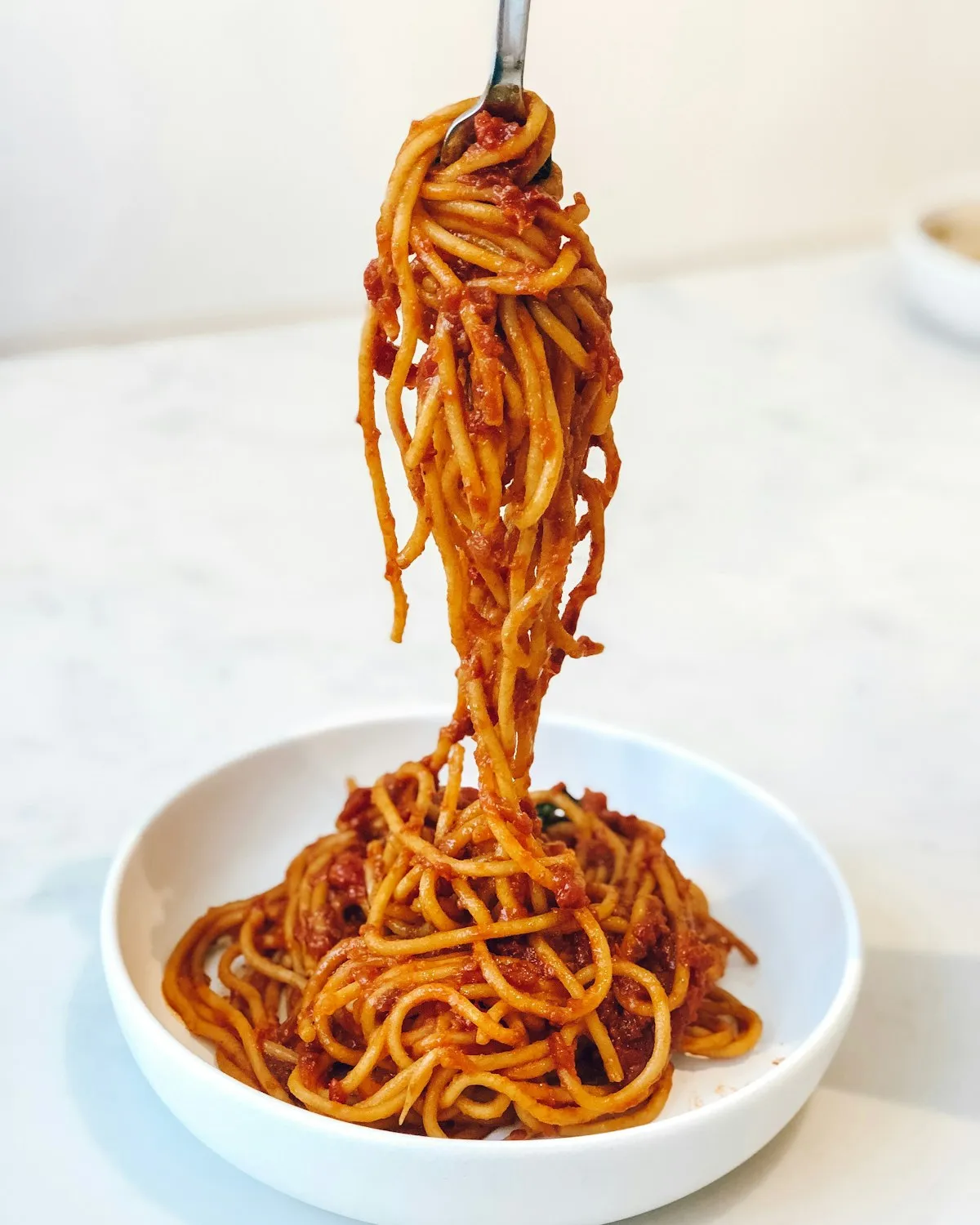
There is a specific kind of magic that happens when you realize dinner doesn’t have to be a multi-hour production to taste like it came out of a professional kitchen. My 15-minute garlic shrimp pasta is the ultimate proof of that. You don’t need a culinary degree or an overflowing pantry; you just need to understand the relationship between starch and fat. It’s the perfect addition to your rotation of quick family meals, offering a level of sophistication that belies its lightning-fast prep time.
The Science of the Gloss: Why Pasta Water is Liquid Gold
If you have been dumping your pasta water down the drain, I need you to stop immediately. You are literally pouring your sauce’s potential away. The secret to a restaurant-quality garlic shrimp pasta isn't heavy cream or fancy butter; it’s emulsification.
When you boil pasta, the heat causes starch granules to swell and rupture, releasing amylose molecules into the water. This creates a natural hydrocolloid suspension. In simpler terms, that cloudy water is a powerful thickening agent. When you whisk this starchy liquid into your garlic-infused olive oil, the starch molecules act as a bridge between the water and the fat. Instead of a puddle of oil at the bottom of your bowl, you get a glossy, silk-like sauce that actually clings to the noodles.
Temperature Control and Timing
Timing is everything when working with delicate proteins like shrimp. Overcook them by even sixty seconds, and you’re eating rubber bands. Sauté your shrimp just until they turn pink and opaque, then pull them out of the pan. Leave the flavorful oil behind to toast your garlic. Use a low to medium heat for the garlic; you want it golden and fragrant, not bitter and burnt.
The Under-Cooking Rule
Never cook your pasta all the way to "al dente" in the boiling water. Pull it out about two minutes early. It should still have a firm, slightly chalky center. Why? Because the final stage of cooking happens in the skillet. By finishing the pasta in the sauce, the noodles absorb the garlic and shrimp-infused liquid rather than just plain water. This is how you achieve deep, integrated flavor.
Managing the Emulsion
Add your reserved pasta water gradually. Start with about half a cup. Use high heat and toss the pasta vigorously. This mechanical action, combined with the heat and the starch, forces the oil and water to bond. Watch for the transition: the liquid will go from splashy and thin to a thick, shimmering coat. If it looks dry, add more water. If it looks too thin, keep tossing. This technique is similar to what we use in our viral garlic butter ramen hack, where fat and starch create that irresistible mouthfeel.
Switching It Up: Creative Variations
While the classic garlic and lemon profile is hard to beat, this technique is a canvas for other healthy dinner ideas. If you want to add a bit of heat, introduce Calabrian chili paste or a generous pinch of red pepper flakes during the garlic-toasting phase. The capsaicin in the peppers dissolves beautifully in the olive oil, tinting your sauce a vibrant orange and providing a steady, even heat throughout the dish.
For a Mediterranean twist, toss in some halved cherry tomatoes and a handful of baby spinach during the last two minutes of tossing. The tomatoes will burst slightly, releasing their acidity which further helps balance the richness of the olive oil. If you are looking for a lower-carb option, you can even apply the emulsification principle to zoodles, though you’ll need to rely more heavily on the shrimp’s natural juices and a splash of stock since you won’t have that starchy pasta water.
If you’re in the mood for something heartier but still want to keep things fast, consider our air fryer sausage pepper and onion medley as a high-protein side or alternative on those nights when even boiling water feels like too much work.
Perfectly Balanced Pairings
Because garlic shrimp pasta is inherently rich and savory, your side dishes should provide a sharp contrast. A simple arugula salad is my go-to. The peppery bite of the greens and a sharp lemon vinaigrette cut through the fat of the pasta sauce, cleansing your palate between bites. Avoid heavy, creamy dressings; you want acidity here.
A thick slice of crusty sourdough or a baguette is also non-negotiable. Its primary purpose isn’t just to be a side; it’s a tool for "scarpetta": the Italian tradition of mopping up every last drop of that emulsified sauce from the bottom of your plate. If you have leftovers from a kielbasa pierogi air fryer roast, a few roasted peppers can also add a nice smoky sweetness to the meal.
Garlic Shrimp Pasta FAQ
Why did my sauce turn out oily and separated?
This usually happens for two reasons: not enough starch or not enough tossing. If you used too much water to boil your pasta, the starch is too diluted. Next time, use less water so the starch is concentrated. Also, make sure you are tossing the pasta over medium-high heat. The physical agitation is what forces the oil and water to emulsify.
Can I use frozen shrimp for this?
Absolutely. In fact, frozen shrimp are often fresher than the "fresh" ones at the counter, which are usually just thawed. Just make sure to pat them completely dry before sautéing. If they are wet, they will steam instead of sear, and you’ll lose that beautiful Maillard reaction (the browning) that provides so much flavor.
Is it possible to make this ahead of time?
Pasta is best served immediately. However, if you must prep ahead, cook the shrimp and the garlic oil earlier in the day. Boil the pasta only when you are ready to eat. Reheating pasta often breaks the emulsion, leaving you with a greasy mess. If you do need to reheat, add a tiny splash of water and toss it in a pan: never the microwave.
What is the best type of pasta to use?
Long, thin strands like linguine, spaghetti, or capellini are traditional because they provide more surface area for the sauce to cling to. However, if you are making this as part of your air fryer recipes dinner routine (perhaps with some air-fried veggies on the side), even short shapes like fusilli work well because the spirals trap the garlic and oil.
Why does my garlic taste bitter?
You likely overcooked it. Garlic contains sugars that burn very quickly. Once it turns dark brown, it becomes acrid. Aim for a pale golden color. If you’re worried about burning it, add the garlic to cold oil and let them heat up together. This gently infuses the oil and gives you more control over the browning process.
Can I use bottled lemon juice?
Avoid it. Bottled juice often has a metallic, flat taste. Since lemon is a primary flavor here, use fresh lemons. The zest is also packed with essential oils that add a bright, floral aroma that juice alone can't provide. Add the zest at the very end to keep those oils from evaporating.