Recipe
Servings
Servings 1×
Ingredients
- Shrimp
- Asparagus
- Tomatoes
- Onion
- Garlic
- Lemon
- Butter
- Cooking oil
- Soy sauce or tamari
- Sesame
- Black pepper
Method
- Let’s be honest: your weeknight hunger doesn’t care about your gourmet aspirations.
- Pat those shrimp dry like your dinner depends on it, because it does.
- Use a heavy skillet, preferably cast iron or stainless steel, to maintain high thermal mass.
- Give them space to breathe so the dry heat can do its job.
- Add your aromatics only in the final minute of cooking.
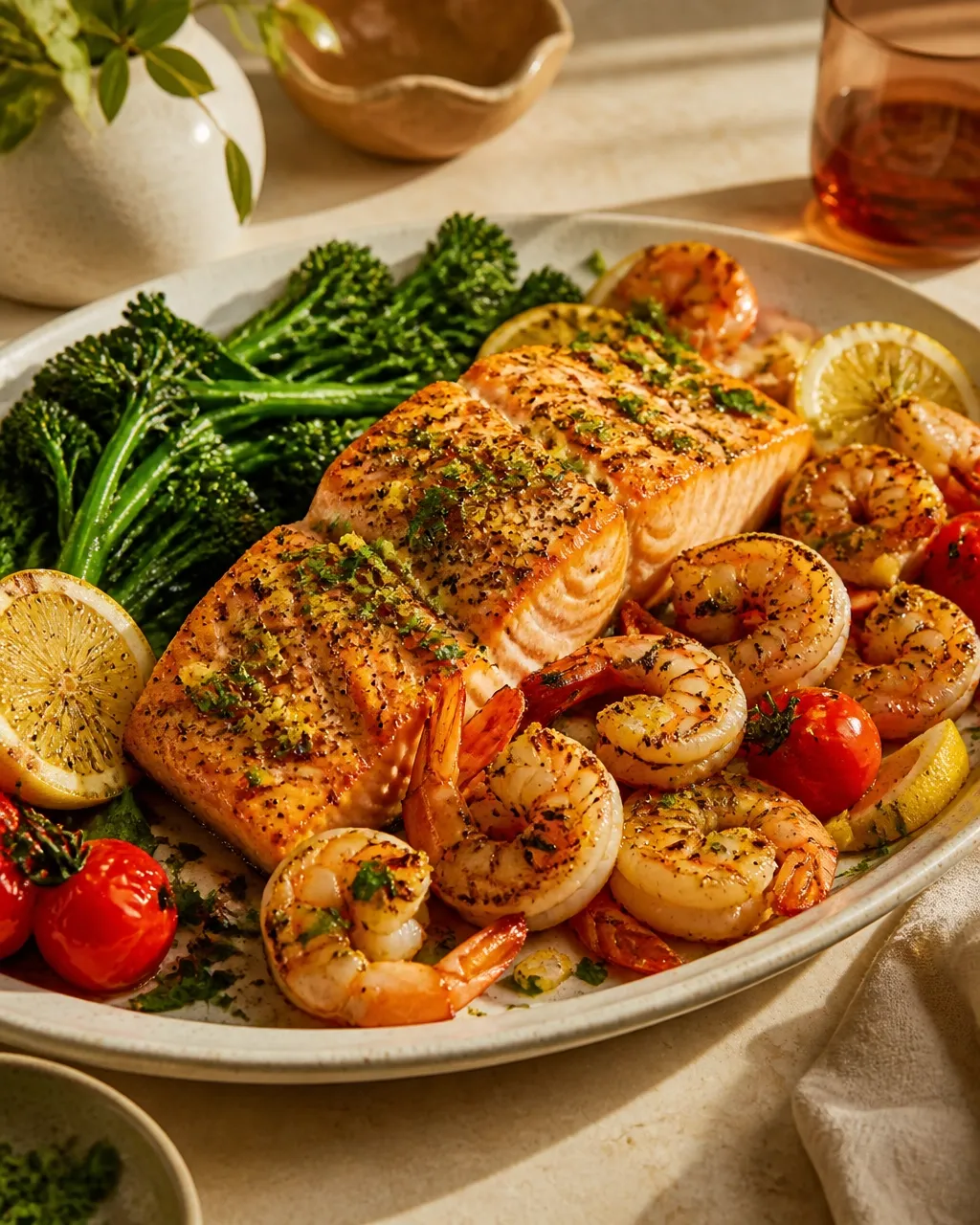
Let’s be honest: your weeknight hunger doesn’t care about your gourmet aspirations. When you’ve just walked through the door and the fridge is staring back at you with judgmental silence, you need a win that happens faster than a pizza delivery. This 15-minute garlic shrimp and asparagus is that win. It’s the ultimate solution for anyone hunting for healthy dinner ideas that don't taste like cardboard or require a culinary degree. We’re talking high-impact flavor with zero fluff.
The Physics of the Perfect Sear
If you want to move beyond "home cook" to "kitchen scientist," you need to understand why your shrimp often turns out rubbery or grey instead of golden and snappy. The secret isn't a fancy pan; it’s thermodynamics. Specifically, the Maillard reaction. This is the chemical dance between amino acids and reducing sugars that creates that savory, browned crust we all crave.
First, you must dry your shrimp. If they are wet, the energy from your stove goes into evaporating that surface moisture (turning it into steam at 212°F) instead of browning the protein (which requires temperatures above 285°F). Pat those shrimp dry like your dinner depends on it, because it does. Use a heavy skillet, preferably cast iron or stainless steel, to maintain high thermal mass. You want a pan that doesn't lose its heat the second the cold shrimp hit the surface.
When it comes to the asparagus, think about cell wall integrity. Asparagus contains pectin, which keeps the stalks rigid. As you apply heat, the pectin begins to break down. Your goal is to stop the clock right at the "tender-crisp" stage. This is where the exterior has slightly caramelized through the same Maillard reaction affecting the shrimp, but the interior retains enough structural moisture to provide a satisfying snap. Avoid overcrowding the pan. If you pile the asparagus in, you create a localized humidity chamber that steams the vegetables. Give them space to breathe so the dry heat can do its job.
Check your garlic timing. Garlic has a high sugar content and very little moisture, meaning it burns faster than almost anything else in your pantry. If you throw it in at the start, you’ll end up with bitter, acrid charcoal. Add your aromatics only in the final minute of cooking. The residual heat is more than enough to release the essential oils (allicin) without scorching the delicate bits. This efficiency is why this dish ranks high among quick family meals that actually deliver on professional-grade flavor.
Balancing the Plate: Acid and Heat
A great dish isn't just about cooking things correctly; it’s about balancing the "weight" of the flavors on your palate. Shrimp and butter are inherently rich and fatty. Without a counterpoint, your taste buds will fatigue after three bites. This is where acidity comes into play. A splash of lemon juice or a dash of dry white wine isn't just a suggestion, it’s a chemical necessity. The citric acid or tartaric acid cuts through the lipids, resetting your palate and making every bite taste as vibrant as the first.
If you’re looking to switch things up, consider the "Umami Bomb" variation. Replace the lemon with a splash of soy sauce and a drop of toasted sesame oil. The fermented soy adds a layer of glutamates that intensifies the savoriness of the shrimp. For those who enjoy a bit of fire, red pepper flakes are non-negotiable. Capsaicin: the compound that makes peppers hot: triggers a minor pain response that actually releases endorphins, making the meal feel more satisfying.
Alternatively, lean into the Mediterranean profile. Swap the butter for a high-quality extra virgin olive oil and toss in some halved cherry tomatoes during the last two minutes. The tomatoes will blister and release their juices, creating a light, natural sauce that coats the asparagus beautifully. While many people search for air fryer recipes dinner options for speed, this stovetop method provides a level of caramelization and sauce-building that a basket simply can't replicate. If you're a fan of that rapid-fire cooking style, you might also enjoy my Air Fryer Sausage Pepper Onion Medley for those nights when you truly want to set it and forget it.
Side Dish Pairings for Structural Support
Since this shrimp and asparagus combo is light and protein-forward, your choice of side dish should provide a textural contrast and a "sopping mechanism" for the garlic butter sauce.
- Fluffy Quinoa or Couscous: These grains act like tiny sponges. Quinoa adds a nutty complexity and an extra hit of protein, keeping this in the realm of truly healthy dinner ideas.
- Crusty Sourdough: If you aren't watching your carbs, a thick slice of toasted sourdough is the gold standard. Use it to wipe the skillet clean. The fermentation of the bread provides a lactic acid tang that complements the garlic beautifully.
- Zucchini Noodles: For a low-carb powerhouse, toss in some "zoodles" at the very end. They require almost no cooking time and maintain the "snap" of the asparagus.
If you’re in the mood for something more indulgent, this shrimp also pairs surprisingly well with noodles. Check out The Viral Garlic Butter Ramen Hack for a fusion twist that uses pantry staples to create a decadent base for your seared shrimp.
Frequently Asked Questions
Why is my shrimp tough and rubbery?
You overcooked it. Shrimp proteins (primarily myosin and actin) denature and contract rapidly when exposed to heat. Once they reach a certain temperature, the proteins coil so tightly that they squeeze out all the internal moisture. Stop cooking the second they turn opaque and form a "C" shape. If they've curled into an "O" shape, you've gone too far.
Can I use frozen shrimp?
Absolutely, but thaw them properly first. The best way is to leave them in the fridge overnight or run them under cold (never hot!) water for 15 minutes. Ensure you dry them thoroughly afterward. Frozen shrimp often come with a "sodium phosphate" solution to retain moisture; if yours do, skip the extra salt during the initial seasoning or you’ll end up with a salt lick.
My asparagus is mushy. What happened?
You likely crowded the pan or cooked it too long over low heat. Low heat causes the cell walls to collapse slowly, resulting in a dull color and soft texture. High heat for a short duration preserves the chlorophyll (the green pigment) and keeps the structure intact.
Is it possible to make this in an air fryer?
While this specific post focuses on the skillet for that perfect Maillard crust, you can adapt it. However, shrimp cook so fast in an air fryer that they often finish before the asparagus is tender. If you’re a fan of that appliance, I’d recommend starting with something more robust like my Kielbasa Pierogi Air Fryer Roast and sticking to the skillet for this delicate seafood.
How do I stop the garlic from burning?
Add it last. Garlic contains a lot of sugar and very little water. In a hot pan, the water evaporates instantly, and the sugars begin to caramelize and then burn within 30-60 seconds. Treat garlic as a finishing aromatic rather than a primary cooking ingredient.
Can I prep this in advance for quick family meals?
You can snap the asparagus and peel the shrimp up to 24 hours in advance. However, do not combine them or season them until you are ready to cook. Salt draws out moisture (osmosis), which will leave your shrimp sitting in a puddle of water, ruining your chances of a good sear. Keep them dry and separate in the fridge for the best results.