Recipe
Servings
Servings 1×
Ingredients
- Lemon
- Butter
- Cooking oil
- Chili seasoning
- Salt
- Black pepper
Method
- Let’s talk shop, specifically, the biology of your dinner.
- Pat the fish dry before it even touches the pan.
- Use a heavy-bottomed skillet, stainless steel or cast iron, to maintain a high thermal mass.
- Keep it at a gentle simmer, just enough to coax the butter into submission.
- Use fresh lemon juice only.
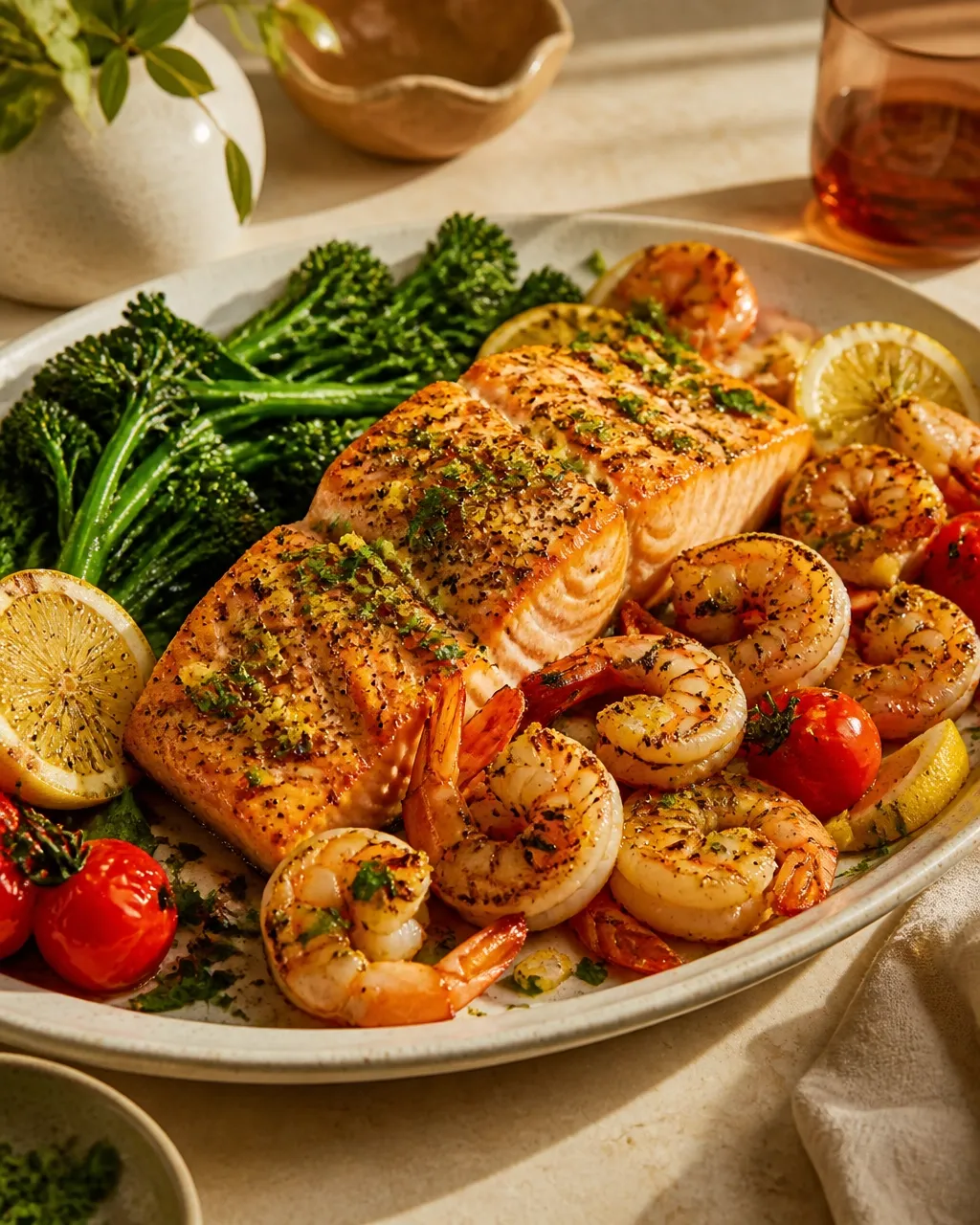
You’ve had one of those days. The kind where the clock is mocking you, the fridge is staring back with a judgmental void, and the thought of a complex dinner makes you want to order a cardboard-flavored pizza. Stop right there. You deserve better, and you can have it in exactly 15 minutes. This lemon butter sea bass is the crown jewel of 15 minute meals. It’s sophisticated, buttery, and hits that "soulful" note we crave without the soul-crushing cleanup. We’re talking restaurant-grade results for quick family meals that won't leave you chained to the stove.
The Molecular Magic of the Sear
Let’s talk shop, specifically, the biology of your dinner. Sea bass is a high-protein, relatively lean fish, which means its muscle structure is a tightly coiled network of myofibrillar proteins (mostly myosin and actin). When you introduce heat, these proteins undergo a process called denaturation. They uncoil, bump into each other, and bond together, a process known as coagulation.
To get that perfect texture, you need to master the temperature gradient. The goal is a fierce Maillard reaction on the outside while keeping the inside just barely set. The Maillard reaction occurs when amino acids and reducing sugars react at high temperatures (usually above 285°F), creating those complex, savory flavor compounds and that gorgeous golden crust.
Pat the fish dry before it even touches the pan. This is non-negotiable. If there’s moisture on the surface, that water has to evaporate (turning into steam) before the temperature can rise high enough for browning. Steaming is for vegetables; we want a sear. Use a heavy-bottomed skillet, stainless steel or cast iron, to maintain a high thermal mass. When you drop that fillet into the shimmering oil, those surface proteins should seize instantly.
Watch the opacity. As the proteins denature, the translucent flesh turns white. Take the fish off the heat when the center is still slightly pearly. Carryover heat, the energy trapped in the outer layers of the fish, will finish the job while the fish rests. If you wait until it’s fully opaque in the pan, you’ve already overshot the mark into "dry and stringy" territory. This precision is what separates quick healthy meals from mediocre ones.
The Physics of the Perfect Emulsion
Once the fish is resting, you’re left with a pan full of "fond", those delicious, browned protein bits stuck to the bottom. Don't wash them away; they are the concentrated essence of flavor. To transform this into a sauce, we’re entering the world of fluid dynamics and emulsions.
Butter is naturally a water-in-fat emulsion. When you melt it over high heat, it "breaks," with the fat separating from the milk solids and water. To create a glossy, velvet-like sauce, you need to create a stable fat-in-water emulsion.
Deglaze the pan with your acidic component (lemon juice) and a splash of liquid. This loosens the fond. Reduce the liquid by half to concentrate the flavor and increase the density. Now, here is the secret: Whisk in cold butter piece by piece over low heat. By using cold butter, you’re controlling the rate at which the fat enters the sauce. The milk proteins in the butter act as emulsifiers, coating tiny droplets of fat and keeping them suspended in the lemon juice. If the pan is too hot, the emulsion will break, leaving you with an oily mess. Keep it at a gentle simmer, just enough to coax the butter into submission. This technique is a staple for creating healthy dinner ideas that don't skimp on flavor.
Acidic Balance and Protein Structure
Acidity isn't just about "brightness", it's a chemical tool. Citric acid from the lemon serves two purposes here. First, it provides a sensory contrast to the richness of the butter. Our palates are wired to find the combination of high fat and high acid highly addictive.
Second, acid actually aids in "cooking" the protein, much like in a ceviche. However, when applied as a finishing sauce, it works to tighten the surface proteins slightly, providing a clean "snap" when you bite through the seared crust. Use fresh lemon juice only. The bottled stuff contains preservatives that can interfere with the delicate emulsion of your sauce. If you’re looking for more ways to use high heat for fast results, check out our guide on air fryer recipes dinner for a different take on rapid protein cooking.
Creative Variations: Beyond the Lemon
While the lemon-butter combo is a classic for a reason, you can manipulate the chemistry to suit your mood.
- The Caper Kick: Add a tablespoon of rinsed capers to the deglazing stage. The brine introduces lactic acid and salt, which further breaks down the protein fibers for an even more tender bite.
- The Aromatic Pivot: Swap the parsley for fresh dill or tarragon. These herbs contain volatile oils that are fat-soluble, meaning they will infuse into the butter sauce and carry the flavor more effectively than water-soluble aromatics.
- The Spicy Shift: If you’re feeling bold, add a pinch of Aleppo pepper or red chili flakes during the sear. The heat from the peppers is tempered by the milk fats in the butter, creating a slow-burn finish that works beautifully with the mildness of the sea bass.
If you’re a fan of these flavor profiles, you might also love our spicy tomato basil one-pot linguine, which uses similar emulsification principles to create a glossy, restaurant-style sauce.
Side Dish Pairings for Perfect Equilibrium
When pairing sides with a rich, acidic dish like this, think about texture and contrast. You want something that can absorb the extra sauce without becoming mushy.
- Crucial Crunch: Blanched asparagus or snap peas provide a structural contrast to the flaky fish. The slight bitterness of green vegetables cuts through the butterfat.
- The Grain Base: Fluffy quinoa or a 5-minute couscous acts as a sponge for the lemon-butter emulsion. Avoid heavy, creamy sides like mashed potatoes; you’ve already got plenty of richness in the sauce.
- The Acid Counter: A simple arugula salad with a light balsamic glaze can provide a peppery bite that cleanses the palate between forkfuls of fish.
FAQ: Solving the "What Ifs"
What if my fish sticks to the pan?
This usually happens because of two things: the pan wasn't hot enough, or you tried to flip it too early. When protein hits a hot pan, it initially bonds to the metal. As the Maillard reaction progresses and a crust forms, the fish will naturally "release" itself. Don't force it. If it’s sticking, give it another 30 seconds.
Can I use frozen sea bass?
Yes, but you must thaw it completely and pat it dry like your life depends on it. Frozen fish often has a higher moisture content due to ice crystals rupturing the cell walls. If you don't dry it thoroughly, you'll end up poaching the fish in its own juices rather than searing it.
Why did my butter sauce turn into an oil slick?
Your pan was likely too hot when you added the butter. If the sauce boils, the emulsion breaks. To fix it, remove the pan from the heat, add a teaspoon of cold water or lemon juice, and whisk vigorously. This can often "re-trap" the fat droplets and bring the sauce back together.
Is the skin edible?
Absolutely, and it’s the best part! If you sear it skin-side down first and keep it pressed against the pan, the collagen will dehydrate and turn into a "fish cracker" texture. It’s a concentrated burst of flavor and healthy omega-3s.
Can I make this in an air fryer?
While you won't get the same pan-sauce opportunity, you can certainly use an air fryer for the fish itself. It's a great option for air fryer recipes dinner enthusiasts. Just spray the fillets with a little oil and cook at 400°F for about 8-10 minutes. Whisk the lemon butter separately in a small bowl to serve over the top.
This dish proves that healthy dinner ideas don't have to be boring or time-consuming. By understanding the science of protein and emulsions, you can turn a few simple ingredients into a masterpiece in the time it takes to set the table. Now, get that pan shimmering( you've got 15 minutes!)