Recipe
Servings
Servings 1×
Ingredients
- Chicken
- Shrimp
- Noodles
- Onion
- Fresh ginger
- Lime
- Peanut butter
- Coconut milk
- Cream
- Turmeric
- Chili seasoning
- Black pepper
Method
- Prepare the ingredients described in the article and heat the cooking surface or oven as directed.
- Cook the main ingredients using the heat and timing guidance in the article.
- Finish with the seasonings and garnishes named in the article, then serve.
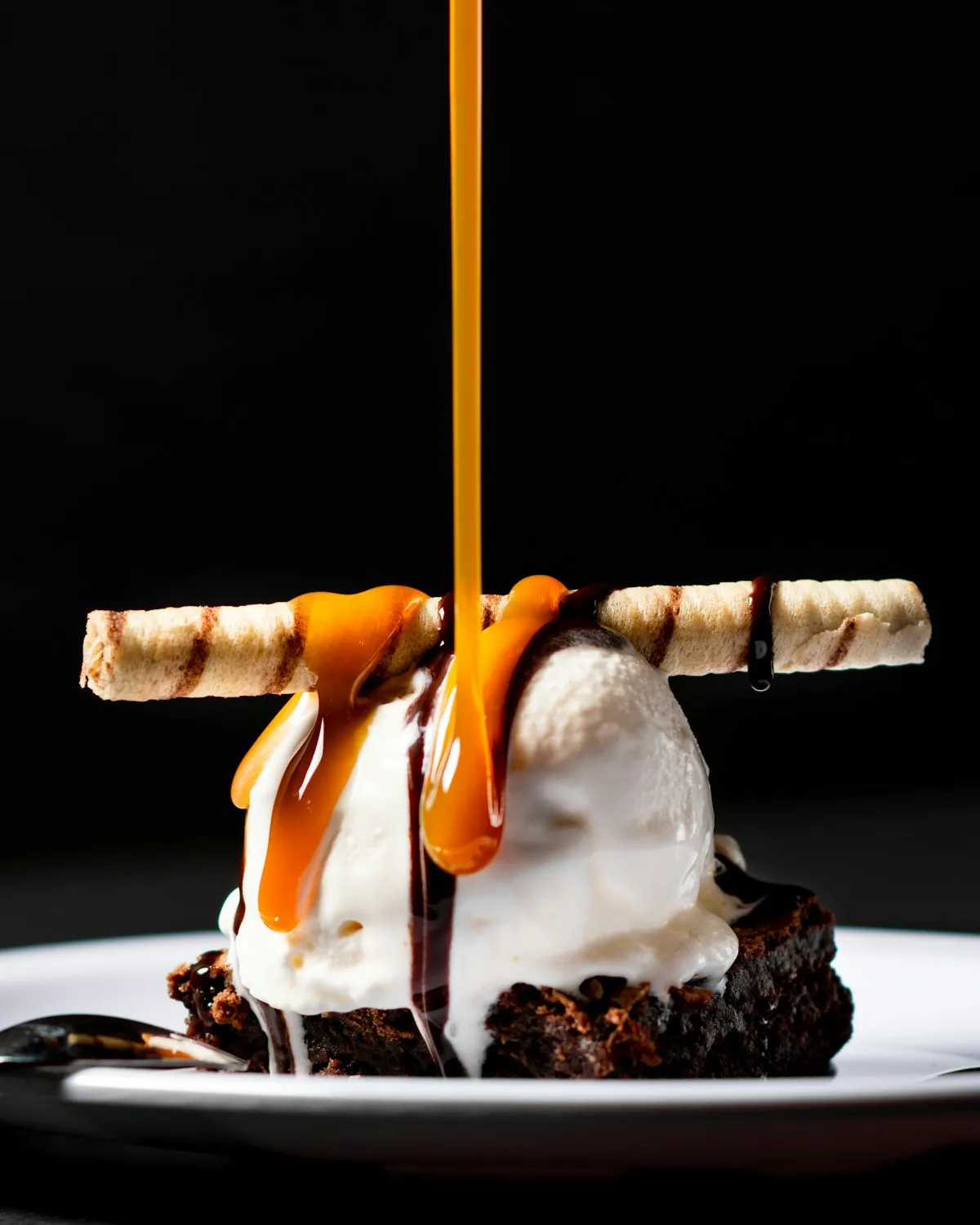
You know those days when the sun is beating down, and you need something refreshing but don't want to spend an hour in a hot kitchen? I’ve been there. That’s why this mango sorbet has become my absolute go-to. It’s the ultimate hack for when you want a tropical escape without the plane ticket or the complicated prep. By using frozen fruit as your base, you skip the hours of churning and get straight to the good part: eating. It’s light, vibrant, and fits perfectly into your rotation of healthy dinner ideas.
The Science of the "Instant" Scoop
The magic of this sorbet lies in the structural integrity of the mango itself. Unlike many other fruits, mangoes are incredibly high in pectin and fiber. When you subject frozen mango chunks to the high-speed shear forces of a blender or food processor, you aren't just chopping them up; you are emulsifying those fibers and natural sugars into a thick, creamy matrix. This is why mango yields a much silkier result than, say, a frozen watermelon or strawberry, which tends to turn into more of a slushie.
Use a high-powered blender if you have one. The goal is to move the fruit through the blades quickly enough that it transforms before it has a chance to melt completely. If your blender is struggling, avoid the temptation to dump in a cup of water. Too much liquid will turn your sorbet into a smoothie. Instead, use a tamper to push the fruit down into the blades or stop and stir manually every few seconds.
Don't skip the lime juice. This isn't just for flavor; it’s about chemistry. The acidity of the lime cuts through the dense sweetness of the mango, but more importantly, the liquid helps the blades catch the fruit. Lime also acts as a natural brightener, preventing the mango from looking dull once it hits the air. Check your fruit’s temperature before you start. If the mango is "rock hard" from a deep freeze, let it sit on the counter for exactly three minutes. This slight softening allows the blades to bite into the fruit rather than just spinning aimlessly around it.
Focus on the texture transitions. You’ll notice the mango goes from distinct cubes to a "wet sand" phase, and finally to a smooth, soft-serve consistency. Stop blending the second you hit that smooth stage. Over-processing generates heat from the friction of the blades, which will ruin the structure you've just built. If you find it’s gotten too soft, pop the canister in the freezer for ten minutes before scooping.
Tropical Twists and Flavor Variations
Once you master the base, you can start playing with the profile to suit your mood. This sorbet is a fantastic finisher for various plant-based dinner ideas because it’s naturally vegan and gluten-free. For a creamy, decadent version, swap half the lime juice for full-fat coconut milk. The fats in the coconut milk will interlock with the mango fibers, creating a mouthfeel that rivals high-end dairy ice cream.
If you like a bit of heat, add a pinch of Tajín or a tiny dusting of chili powder. The capsaicin in the pepper creates a fascinating "hot-cold" sensation that makes the mango taste even sweeter. For an herbal note, toss a few fresh basil or mint leaves into the blender during the last five seconds of processing. The herbs shouldn't be pulverized; you want tiny green flecks that release their aromatic oils as the sorbet melts on your tongue.
Another favorite of mine is the "Golden Sorbet." Add a half-teaspoon of fresh grated ginger and a pinch of turmeric. The ginger provides a zesty bite that wakes up the palate, while the turmeric deepens the color to a rich, sunset orange. This version is particularly good if you’re looking for a refreshing palate cleanser between courses.
Perfect Pairings for a Balanced Meal
This sorbet isn't just a standalone dessert; it’s a strategic tool for balancing a meal. Because it’s high in acidity and cold in temperature, it works beautifully to "reset" your taste buds after eating something rich or spicy.
I love serving this after a meal of Quick Shrimp Pad Thai. The lime in the sorbet echoes the lime squeezed over the noodles, while the cold fruit cuts through the savory, nutty richness of the peanut sauce. It’s also a brilliant follow-up to Classic Chicken Fajitas. The cooling effect of the mango is exactly what you need after the charred, smoky flavors of grilled peppers and onions.
For those focusing on 15 minute meals, this sorbet is the ultimate dessert because it matches the pace of your dinner. You can literally whip it up while the table is being cleared. If you're hosting a gathering and serving an abundant celebratory spread, try serving mini scoops of this sorbet in chilled glass jars as a light, sophisticated alternative to heavy cakes or pastries.
Frequently Asked Questions
What if my sorbet is too gritty?
Grittiness usually happens if the mango wasn't fully ripe before it was frozen or if your blender didn't have enough power to break down the fibers. To fix this, you can add a tablespoon of agave or simple syrup. The liquid sugar wraps around the fibers and helps create a smoother emulsion. Next time, ensure you're using high-quality frozen mango that looks deep orange, not pale yellow.
Can I make this in advance and freeze it?
Yes, but be warned: without the stabilizers found in commercial ice cream, it will freeze quite hard. If you make it ahead of time, take it out of the freezer and let it sit on the counter for 10–15 minutes before you try to scoop it. This allows the exterior to soften just enough to get that classic "sorbet swirl."
Why did my sorbet turn into a liquid mess?
You likely blended it for too long or added too much liquid at the start. Remember, the friction of the blades creates heat. Use the "pulse" setting rather than a continuous high-speed blend to keep the temperature down. If it's already liquid, don't panic. Pour it into a shallow dish and freeze it for 2 hours, then scrape it with a fork to make a granita.
Do I really need the lime?
Avoid skipping the lime if you want that professional, "bright" flavor. Mangoes are sweet, but they lack the acidity needed to make a dessert feel "refreshing" rather than just "sugary." The lime provides that necessary contrast. If you’re out of lime, a splash of lemon juice or even a teaspoon of apple cider vinegar can work in a pinch to provide that much-needed pH balance.
Is this actually healthy?
Absolutely. Since we are relying on the natural sugars and fibers of the whole fruit, you're getting all the vitamins and antioxidants of a fresh mango without the heavy creams or refined sugars found in traditional gelato. It’s one of those rare healthy dinner ideas that actually feels like a cheat meal.