Recipe
Servings
Servings 1×
Ingredients
- Salmon
- Tofu
- Beans
- Quinoa
- Eggs
- Greek yogurt
- Bread
- Potatoes
- Sweet potatoes
- Spinach
- Berries
Method
- Prepare the ingredients described in the article and heat the cooking surface or oven as directed.
- Cook the main ingredients using the heat and timing guidance in the article.
- Finish with the seasonings and garnishes named in the article, then serve.
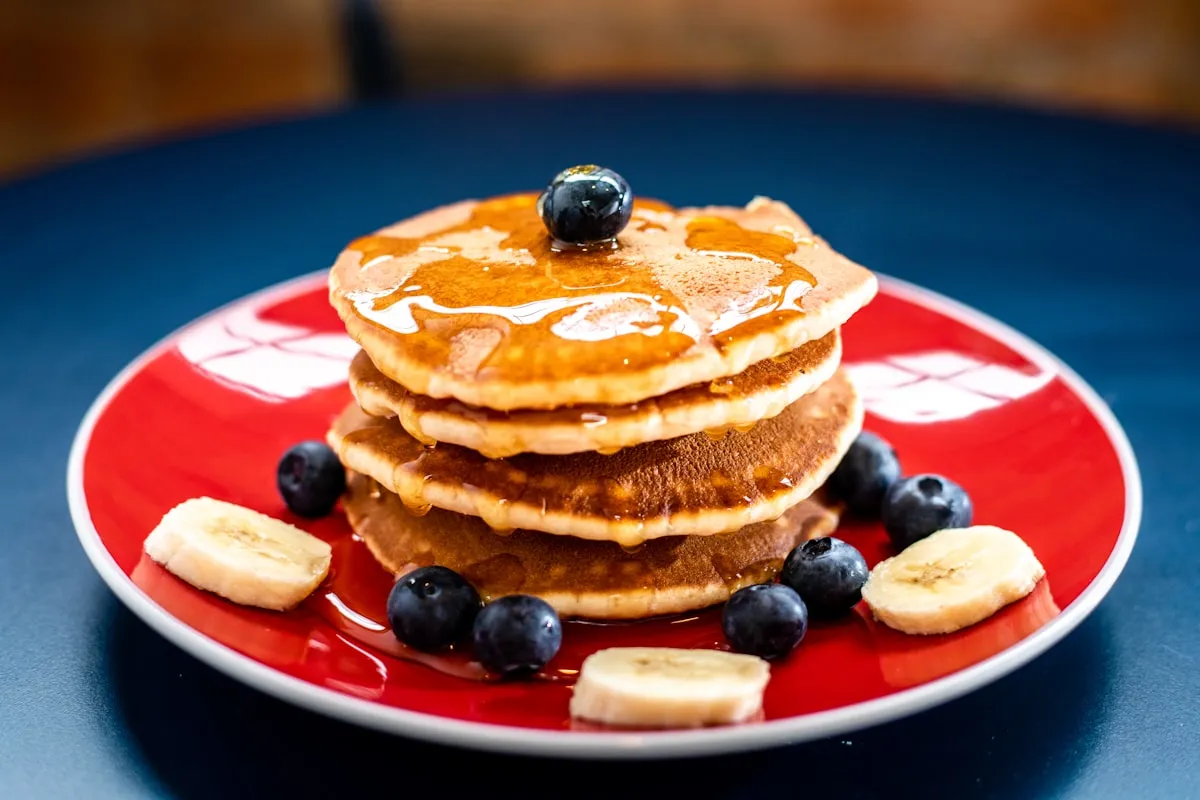
You know that feeling when it’s 10:30 AM, you’ve just finished your third cup of coffee, and your stomach starts performing a solo percussion set? That’s the classic "carb crash" calling. Most of us treat breakfast as an afterthought, grabbing a granola bar or a piece of toast and hoping for the best. But if you want to actually survive until noon without raiding the office snack drawer, you need a strategy. I’m talking about high-protein, fiber-rich fuel that takes less time to make than a commercial break.
The Satiety Anchor: Why Protein and Fiber Rule Your Morning
If you want to master quick family meals, you have to understand the science of satiety. When you eat, your body releases hormones that tell your brain whether you're full or still searching for a hunt. Protein is the ultimate "satiety anchor." It takes longer for your body to break down than simple carbohydrates, meaning it stays in your stomach longer and keeps those hunger hormones like ghrelin at bay.
But protein doesn't work alone; it needs a tether, and that tether is fiber. While protein slows down gastric emptying, fiber adds bulk and slows the absorption of sugar into your bloodstream. This prevent the dreaded insulin spike and subsequent crash. Think of it as a slow-release energy capsule. When you combine something like Greek yogurt or eggs with chia seeds or leafy greens, you’re creating a metabolic environment that favors steady energy over a frantic sugar high.
Efficiency is the name of the game here. You don't need an hour to build a nutritional powerhouse. In the same way that air fryer recipes dinner save you time in the evening, smart prep and high-impact ingredients save your mornings. Use the "assembly line" technique: have your proteins (eggs, smoked salmon, tofu) and your fiber (spinach, berries, beans) ready to go. If you can boil an egg or toss a sausage into an air fryer, you can win your morning.
The heat source also matters. High-protein foods like eggs and lean meats benefit from quick, high-heat cooking to maintain texture without drying out. Avoid overcooking your proteins; once that moisture is gone, so is the palatability. Check your eggs early: they should still have a slight "wobble" before you take them off the heat, as residual cooking will finish the job.
Beyond the Scramble: Variations for Every Palate
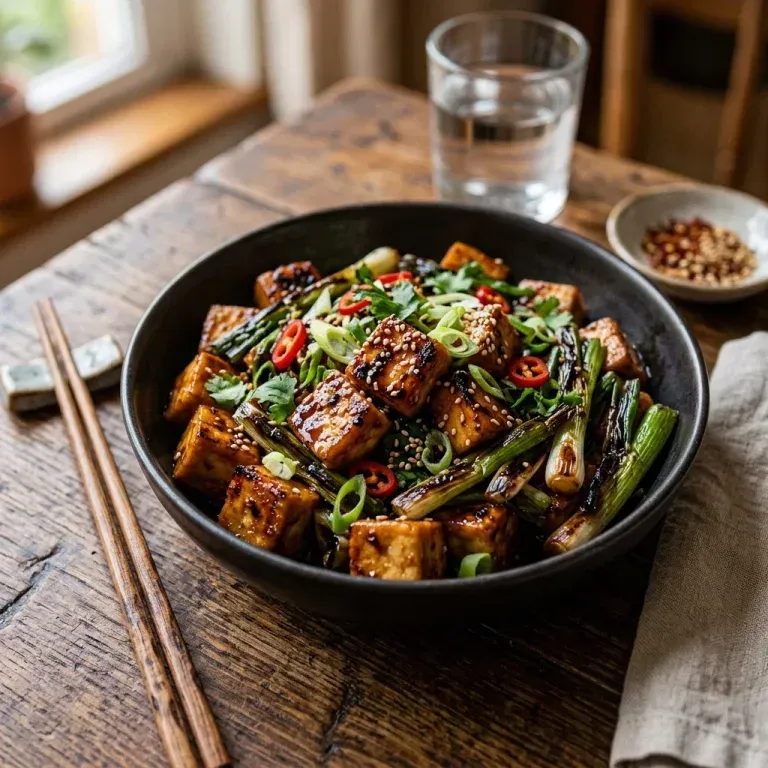
Don't get stuck in an egg-only rut. While eggs are a fantastic source of leucine: an amino acid critical for muscle protein synthesis: they aren't the only players in the game. If you’re leaning toward plant-based living, a savory tofu scramble can rival any omelet in both protein content and flavor. The trick is using firm tofu and pressing it slightly to ensure it absorbs the aromatics.
For those with a sweet tooth, cottage cheese is your secret weapon. It’s incredibly high in casein protein, which is slow-digesting and keeps you full for hours. Blend it into a smooth consistency if you hate the texture, and top it with hemp hearts and raspberries for a fiber boost. If you're a fan of healthy dinner ideas, you’ve likely seen how versatile these ingredients are; the same logic applies to your 15-minute breakfast window.
Another variation involves using leftovers as a base. A small portion of quinoa or roasted sweet potatoes from last night’s meal can be transformed into a breakfast bowl with a soft-boiled egg and a dollop of Greek yogurt. This "repurposing" mindset is the hallmark of someone who knows how to manage a kitchen without losing their mind.
Side Dish Pairings: The Art of Balance
A high-protein main dish is great, but it needs a supporting cast to really shine. The goal here is to introduce acidity and crunch to cut through the richness of proteins like sausage or egg yolks. A simple side of arugula tossed in lemon juice and a pinch of flaky salt provides a peppery bite and essential micronutrients.
If you're having something creamy, like a savory yogurt bowl or cottage cheese, pair it with something structurally sound. Think of toasted sourdough or even a few slices of crisp cucumber. The textural contrast makes the meal more satisfying to eat, which actually helps with psychological satiety: your brain needs to register that you've actually "chewed" your food to feel fully satisfied. Avoid heavy, sugary sides like pre-packaged fruit juices; they’ll only undermine the hard work your protein is doing.
Morning Strategy FAQ: Solving the "What Ifs"
What if I’m never hungry in the morning?
This is often a sign that your dinner was too late or too heavy. However, you don't have to eat a full "meal" the second you wake up. The "breakfast window" is flexible. If you wait until 10 AM, just ensure that when you do eat, it's protein-forward. Skipping breakfast entirely often leads to overcompensating with high-calorie air fryer recipes dinner later, which disrupts your sleep and metabolic rhythm.
Can I meal prep high-protein breakfasts?
Absolutely, but be smart about it. Hard-boiled eggs stay fresh for a week, and overnight oats with protein powder are better after a soak. However, avoid prepping anything with high water content (like sliced tomatoes or dressed greens) more than 24 hours in advance, as they'll turn your protein soggy.
Is protein powder a "real food" substitute?
It’s a supplement, not a replacement. While a scoop of high-quality whey or pea protein can boost your oats, it lacks the complex micronutrient profile of whole foods like eggs or smoked salmon. Use it as a booster, not the main event.
How do I handle the "egg fatigue"?
Switch your flavor profiles. Use za'atar and olive oil one day, and soy sauce with chili crisp the next. High-protein doesn't have to mean "bland." If you treat your breakfast with the same respect you give your quick family meals, you’ll find it’s much easier to stay consistent.
Why 15 minutes?
Because the "I don't have time" excuse is the biggest hurdle to healthy eating. By narrowing your focus to high-impact, 15-minute solutions, you remove the friction between you and a better day.