Recipe
Servings
Servings 1×
Ingredients
- Salmon
- Lentils
- Chickpeas
- Penne
- Pasta
- Noodles
- Rolled oats
- Eggs
- Bread
- Broccoli
- Spinach
- Kale
- Onion
- Garlic
- Fresh ginger
- Lemon
- Honey
- Pesto
Method
- Toast with butter and eggs is the classic, but pasta offers a far superior texture and a more complex energy release.
- Let’s talk about the science of satiety.
- Use high-quality bronze-die pasta whenever possible.
- Toss spaghetti with a quick basil pesto, a handful of fresh baby spinach, and a squeeze of lemon.
- Sautéing the dry noodles in a little butter before adding water gives them a nutty, toasted flavor that pairs beautifully with a side of fresh fruit or a drizzle of honey and cracked black pepper.
- Cook a large batch of pasta at the beginning of the week, tossing it with a tiny bit of oil to prevent sticking.
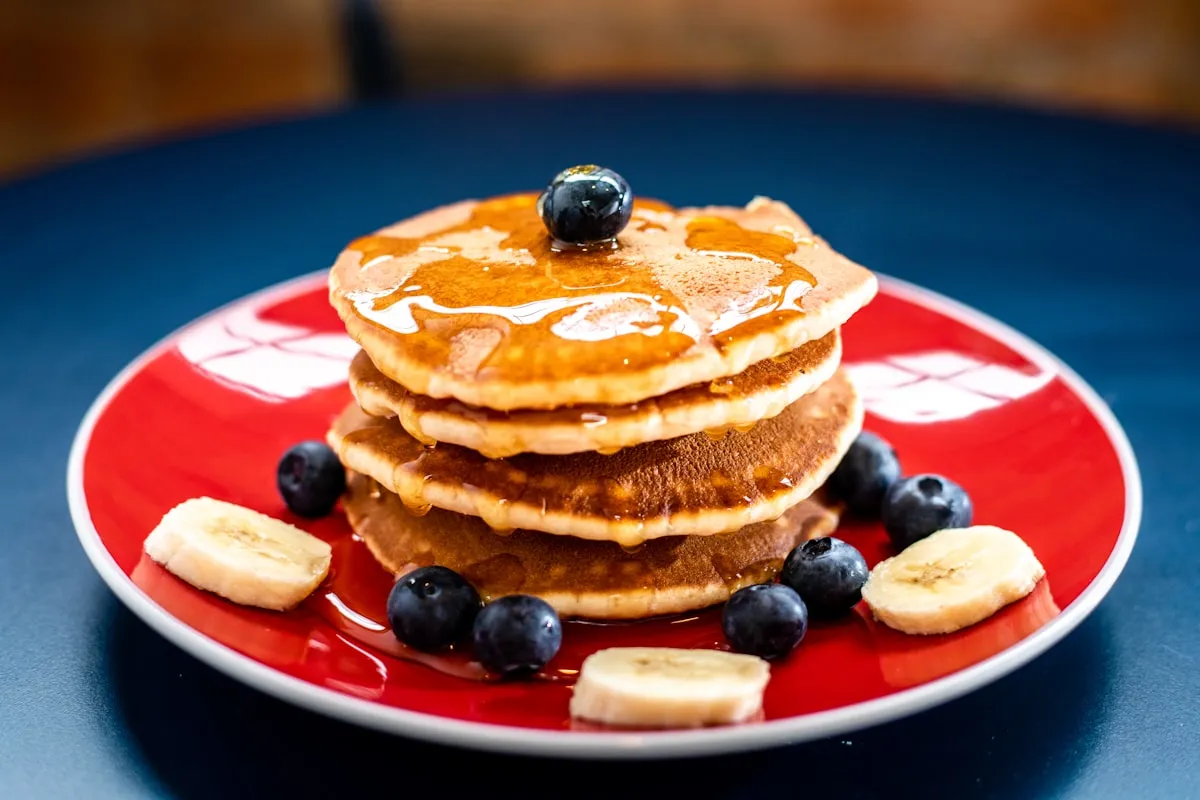
If you think pasta is strictly for sunset hours, you are missing out on the ultimate morning cheat code. I used to be a toast-and-eggs purist until I realized that pasta is essentially just a giant, delicious crouton waiting to happen. For those of us who wake up actually hungry, a bowl of oats just doesn’t cut it. We need something substantial, something savory, and something that doesn’t take forty minutes to prep. Reimagining simple pasta recipes as easy healthy breakfasts isn't just a trend; it's a lifestyle shift that will make your mornings significantly more exciting.
The Science of the Morning Starch
When you look at the architecture of a great breakfast, it usually involves a grain, a fat, and a protein. Toast with butter and eggs is the classic, but pasta offers a far superior texture and a more complex energy release. Let’s talk about the science of satiety. Pasta, especially when cooked al dente, has a lower glycemic index than your average slice of white sandwich bread. This means the carbohydrates break down more slowly, providing you with a steady stream of energy rather than a 10:00 AM sugar crash.
To master this, focus on the "why" of the emulsion. You aren't making a heavy Sunday gravy at 7:00 AM. You are creating a light, silky coating using the pasta’s own cooking water. This starchy liquid is liquid gold; it binds the healthy fats, like olive oil or a touch of butter, to the noodles, creating a sauce that feels indulgent but remains light. If you’ve ever tried the viral garlic butter ramen hack from my earlier posts, you know that a few simple ingredients can create a massive flavor profile in under ten minutes.
Essential Morning Techniques
Use high-quality bronze-die pasta whenever possible. The rougher surface area allows your light morning sauces to cling to the noodle rather than sliding off into the bottom of the bowl. Avoid overcooking your pasta; remember that the carry-over heat will continue to soften the noodles once they hit the pan with your eggs or vegetables.
Check your salt levels early. Since you are likely pairing your breakfast pasta with salty components like pancetta, parmesan, or smoked salmon, you should salt your pasta water slightly less than you would for a traditional dinner. This maintains the balance of the dish. Also, embrace the "one-pan" philosophy. Sauté your aromatics, garlic, scallions, or maybe some leftover peppers from your air fryer recipes dinner, in the same skillet you’ll use to finish the pasta. This minimizes cleanup, which is a non-negotiable for any successful morning routine.
Prioritize protein integration. The secret to making these easy healthy breakfasts truly functional is the egg. Whether you are whisking it into a quick carbonara-style sauce or topping the bowl with a jammy, soft-boiled egg, the fat from the yolk acts as a natural sauce thickener. It adds a richness that replaces the need for heavy creams or excessive cheese.
Flavor Variations for the Early Bird
One of the best things about incorporating simple pasta recipes into your morning is the sheer versatility. If you find yourself bored with the same three omelets, it’s time to pivot. Consider a Mediterranean-inspired "Pasta Shakshuka." Instead of just poaching eggs in tomato sauce, toss in some ditalini or small shells. The pasta absorbs the spicy, cumin-scented tomato base, turning a light brunch dish into a hearty meal that will power you through a marathon of meetings.
For those who prefer something cleaner, try a "Green Morning" bowl. Toss spaghetti with a quick basil pesto, a handful of fresh baby spinach, and a squeeze of lemon. The acidity of the lemon cuts through the earthy richness of the pine nuts and cheese, waking up your palate without weighing you down. If you have leftovers from your quick family meals, like roasted broccoli or sautéed kale, toss them in. There is no rule saying you can’t have greens before noon.
If you are a fan of savory-sweet combinations, don't sleep on a toasted vermicelli bowl. Sautéing the dry noodles in a little butter before adding water gives them a nutty, toasted flavor that pairs beautifully with a side of fresh fruit or a drizzle of honey and cracked black pepper. This is a common theme in international breakfast cultures, and it’s high time we brought it to our own kitchens.
Perfectly Balanced Side Pairings
While a bowl of pasta is a star on its own, the right side dish can elevate it from a "meal" to an "experience." Balance is the goal here. Since pasta provides the bulk of your complex carbs, look for sides that offer high contrast in texture and acidity.
- Charred Protein: If your pasta is vegetarian, serve it alongside some crisp air-fried sausages or thick-cut bacon. These add a smoky depth that complements the neutrality of the pasta. In fact, many of my favorite healthy dinner ideas involve a similar protein-to-starch ratio.
- Bright Citrus Salad: A simple arugula salad with a heavy hand of lemon juice and a few grapefruit segments is the perfect foil to a creamy carbonara or a buttery garlic noodle. The sharp acidity cleanses the palate between bites.
- Quick-Pickled Vegetables: Keep a jar of pickled red onions or radishes in the fridge. They provide a crunch and a vinegary punch that cuts through the starch, making the meal feel much lighter and more breakfast-appropriate.
- Herbal Teas: Instead of a heavy latte, try a ginger or peppermint tea. These aid in digestion and keep the focus on the fresh flavors of your pasta.
Breakfast Pasta FAQ
Can I really eat pasta for breakfast and stay healthy?
Absolutely. The "healthiness" of a meal isn't determined by the time of day you eat it, but by the ingredients you choose. By focusing on whole-grain or high-quality semolina pasta, adding plenty of fiber-rich vegetables, and using healthy fats like extra virgin olive oil, you are creating a balanced meal. It’s significantly better for your blood sugar than a sugary cereal or a processed bagel.
What if I don't have time to boil water in the morning?
This is where meal prep comes in. Cook a large batch of pasta at the beginning of the week, tossing it with a tiny bit of oil to prevent sticking. When you're ready for breakfast, simply throw a portion into a hot skillet with a splash of water or broth. It will rehydrate and heat up in about three minutes. This makes it one of the fastest quick family meals in your repertoire.
Is it okay to use leftover pasta from last night?
Yes, and in some cases, it's actually better. Cold pasta that has been refrigerated develops "resistant starch," which is even better for your gut health and has a lower caloric impact. Re-crisping leftover penne or fusilli in a pan with a little butter and an egg is a classic Italian move known as frittata di pasta. It’s a great way to use up healthy dinner ideas from the night before without wasting food.
Won't I feel too full or sluggish?
Not if you manage your portions and your sauces. Keep the serving size to about a cup of cooked pasta and load the rest of the bowl with protein and greens. Avoid heavy, cream-based sauces that are typical of dinner. Stick to "Agli Olio" (garlic and oil) or simple tomato bases to keep the energy levels high and the "food coma" at bay.
Can I make this gluten-free?
Certainly. There are fantastic chickpea and lentil-based pastas on the market today that offer even more protein than traditional wheat pasta. These are excellent for breakfast because they keep you full for hours. Just be sure to rinse them well after cooking to remove excess starch, which can sometimes make the sauce a bit gummy.
For more inspiration on making home cooking accessible and soulful, check out our full collection of Cookpedia recipes. Whether you're looking for a 15-minute stir-fry or a new way to enjoy your morning, I've got you covered. Happy cooking!