Recipe
Servings
Servings 1×
Ingredients
- Shrimp
- Rice
- Peas
- Garlic
- Lime
- Honey
- Butter
- Soy sauce or tamari
- Salt
Method
- Keep the shrimp juicy, the peas crisp, and the sauce balanced, and you have one of my favorite quick family meals for busy nights.
- Use leftover rice, microwave-ready rice, or quick-cooking rice when speed matters.
- Keep the finished rice covered so it stays warm and soft while the skillet does its speedy work.
- Add a small acidic element, such as rice vinegar or lime juice, to keep the sauce lively.
- Pat the shrimp dry before they meet the pan.
- Arrange the shrimp in a loose single layer and give them room to cook.
Some dinners need a plan. This one needs a hot skillet and approximately the amount of patience you have left after a long day: which is to say, not much. Honey garlic shrimp with snap peas over rice delivers sweet, savory, garlicky flavor in about 15 minutes, provided you use cooked, leftover, or quick-cooking rice. Keep the shrimp juicy, the peas crisp, and the sauce balanced, and you have one of my favorite quick family meals for busy nights.
Tips & Technique: Make Every Minute Count
Treat the rice as the timekeeper
Rice is the only part of this dinner that may refuse to cooperate with the 15-minute promise. Traditional rice can take 15 to 20 minutes by itself, before the shrimp even enter the conversation.
Use leftover rice, microwave-ready rice, or quick-cooking rice when speed matters. If you are cooking rice from scratch, start it before doing anything else and use the cooking time to prepare the shrimp and sauce. Keep the finished rice covered so it stays warm and soft while the skillet does its speedy work.
Day-old rice is especially useful because it has lost some surface moisture. That keeps it fluffy instead of sticky when warm sauce lands on top. Fresh rice still works, but let it steam off briefly rather than serving it while it is wet and clumpy.
Build contrast into the sauce
Honey brings sweetness, garlic brings sharp aromatic depth, and soy sauce adds salt and savory flavor. That combination is delicious, but it can become heavy if every note points in the same direction.
Add a small acidic element, such as rice vinegar or lime juice, to keep the sauce lively. Acidity does not make the dish sour when used carefully. It cuts through sweetness and helps your palate notice the shrimp and vegetables instead of registering one big blob of “sticky.”
Think of the sauce as a balance scale. If the honey is generous, increase the brightness. If the soy sauce is bold, avoid adding extra salt elsewhere. Taste before serving and adjust with a tiny splash of acid rather than automatically reaching for more seasoning.
Dry shrimp cook better
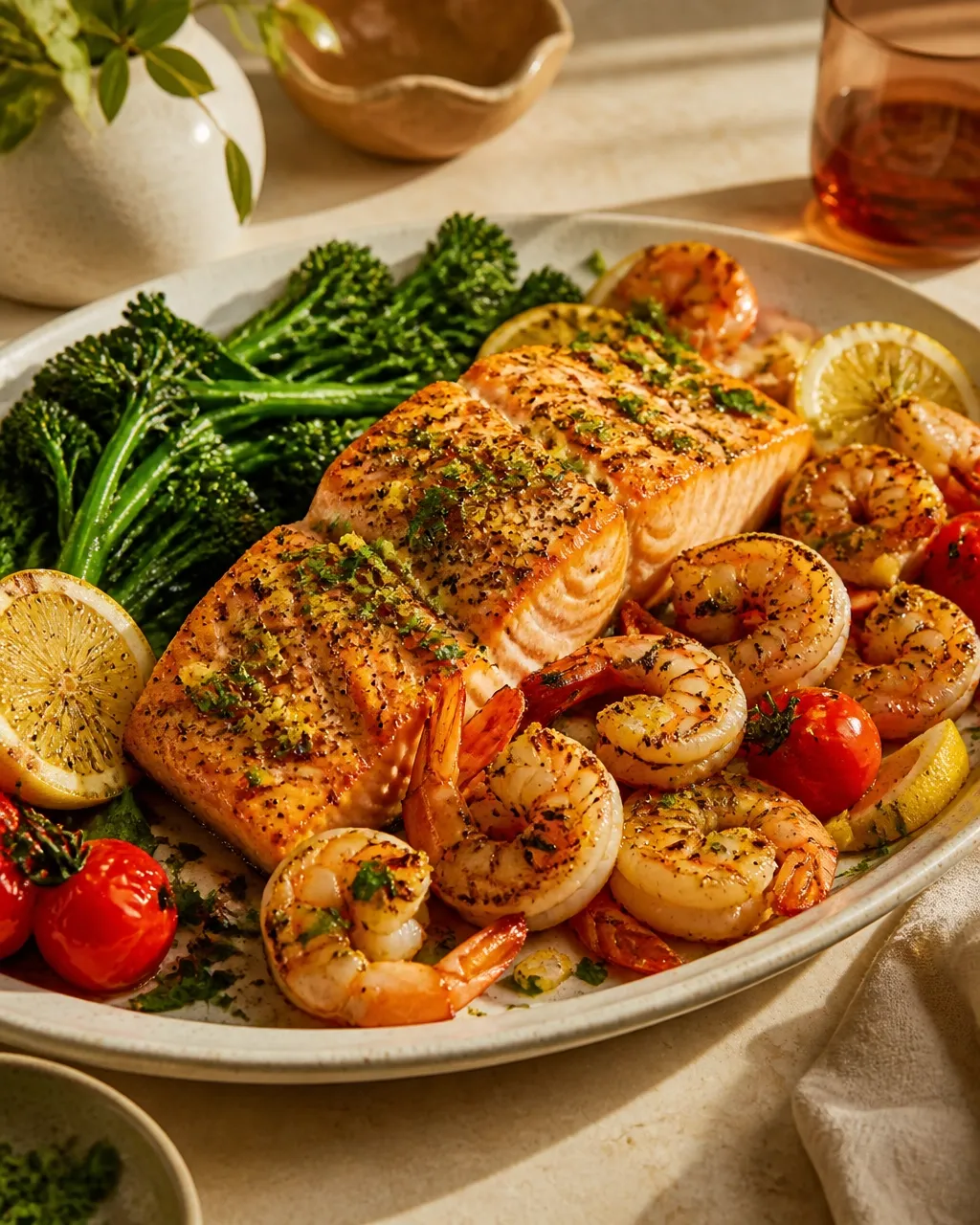
Pat the shrimp dry before they meet the pan. This is not busywork; it is basic heat management.
Wet shrimp release water as soon as they hit the skillet. That water lowers the pan temperature and creates steam, which makes the shrimp cook more slowly and prevents the sauce from clinging properly. A dry surface allows the pan to stay hot enough for quick browning and fast evaporation.
Do not crowd the skillet, either. Arrange the shrimp in a loose single layer and give them room to cook. If they are piled together, they will steam, release more liquid, and turn the pan into a small seafood sauna. Seafood sauna is not the goal.
Use high heat, but watch the sugar
A medium-high skillet is ideal because shrimp cook quickly and snap peas need enough heat to stay bright and crisp. Honey, however, contains natural sugars that can scorch if left against a very hot pan for too long.
Cook the shrimp until they are nearly opaque, then add the sauce so it can bubble and coat everything without burning. Keep the sauce moving. A brief simmer thickens it through evaporation, concentrating the flavors and giving it that glossy texture you want.
Avoid cooking shrimp until they curl tightly into little rings. A gentle C-shape usually means they are tender and ready. A firm O-shape often means they have stayed in the pan too long and are heading toward rubber territory.
Add snap peas for texture, not decoration
Snap peas are doing important work here. Their fresh sweetness and crunch keep the dish from feeling soft all the way through, especially with tender shrimp and rice.
Cook them briefly so they become crisp-tender rather than limp. The goal is a vivid green color, a slight bite, and enough heat to warm them through. Slice very large pods lengthwise if you want them to cook more quickly, but leave smaller ones whole for a satisfying snap.
Keep raw vegetables away from the cutting board and utensils used for the shrimp until everything has been washed. Speed is useful; cross-contamination is not.
Keep the marinade and sauce separate
If you coat raw shrimp with part of the honey garlic mixture, do not use that same liquid as a finishing sauce unless it is thoroughly cooked. Reserve a clean portion for the pan, or boil the shrimp-contact sauce until bubbling and fully heated.
The reason is simple: raw seafood can carry harmful bacteria, and a sauce that touched it must receive enough heat to become safe. Cook the shrimp until uniformly opaque and firm, with an internal temperature of 145°F (63°C) if you are checking with a thermometer.
Remove the skillet from the heat as soon as the shrimp are done. Carryover cooking continues for a little while, and shrimp have very little patience for overcooking.
For more speedy inspiration, browse Cookpedia’s 15-minute meals collection, including our 15-minute garlic butter shrimp.
Variations: Keep the Method, Change the Mood
Make this dinner your own without turning it into a completely different project.
For a spicy-sweet version, add chili flakes, sliced fresh chili, or a little chili crisp at the end. Keep some acidity in the sauce so the heat feels bright rather than muddy.
For a ginger-forward bowl, increase the fresh ginger and finish with scallions and sesame seeds. Ginger gives the sweet sauce a warmer, more aromatic backbone.
For a lighter variation, use extra snap peas or add thinly sliced bell pepper. Reduce the rice portion slightly and serve the shrimp over cauliflower rice, quinoa, or a mixture of grains and greens. The sauce is bold enough to make a vegetable-heavy bowl feel properly satisfying.
For a plant-based alternative, swap the shrimp for cubes of pressed tofu. Brown the tofu before adding the sauce so its edges develop texture. You will need a little more cooking time, but the same sweet-salty-acidic balance still works beautifully.
If you prefer brown rice, use it. Just make sure it is already cooked or choose a quick-cooking version. Explore Cookpedia’s healthy recipes for more simple ways to build a weeknight rotation.
Side Dish Pairings: Add Freshness and Crunch
This bowl already contains protein, vegetables, and rice, so keep the sides bright and uncomplicated.
Serve it with a cucumber salad dressed with lime or rice vinegar. The cool crunch cuts through the warm, sticky sauce and adds another layer of freshness without creating extra heaviness.
Steamed broccoli, edamame, or shredded cabbage also pair well. Choose vegetables with a little bitterness or crunch to balance the honey. Avoid adding another sweet side unless you enjoy dinners that taste like a polite dessert.
For extra freshness, scatter herbs or sliced scallions over the finished bowls. A few lime wedges at the table let everyone adjust the acidity to taste.
FAQ: What If Dinner Does Not Go According to Plan?
What if I do not have cooked rice?
Use microwave rice, frozen rice, quinoa, or noodles. You can also serve the shrimp and snap peas over greens for a warm salad. If you start uncooked rice at the same time as the skillet, the meal may take closer to 25 minutes. That is still useful, but call it a 25-minute dinner and let the clock keep its dignity.
What if my shrimp release lots of water?
Your shrimp may be too wet, the pan may be crowded, or the skillet may not have been hot enough. Pat the shrimp dry and cook in batches if necessary. Let the liquid evaporate before adding the sauce; otherwise, the glaze will become thin and the shrimp may overcook while you wait for it to reduce.
What if the sauce is too sweet?
Add acidity gradually with lime juice or rice vinegar. A small splash can rebalance the sauce because acid makes sweetness taste less dominant. Do not immediately add more soy sauce, as that may make the dish overly salty without solving the sweetness problem.
What if my snap peas are still too crunchy?
Return them to the skillet for another minute or two with a splash of water. The steam will soften them quickly. Cover the pan briefly if needed, but uncover it soon so excess moisture does not dilute the glaze.
What if my shrimp are rubbery?
They were probably cooked too long or at too low a temperature. Shrimp proteins tighten rapidly as heat continues to push through them. Remove them when they are just opaque and gently curled, rather than waiting for a dramatic curl. They will continue cooking slightly after leaving the pan.
Can I use frozen shrimp?
Yes. Thaw them safely in the refrigerator or in a sealed bag under cold running water. Drain and pat them very dry before cooking. Never thaw seafood on the counter, and do not add frozen shrimp directly to a crowded skillet unless you enjoy watery sauce and uneven cooking.
How should I store leftovers?
Refrigerate the shrimp, snap peas, and rice in a shallow container within two hours. Reheat until steaming hot, using gentle microwave intervals or a covered skillet with a small splash of water. Eat the leftovers within three to four days for the best safety and texture.
For more healthy dinner ideas that fit real schedules, visit Cookpedia’s quick meals and 30-minute dinner recipes. And when you want to keep the oven off, browse our air fryer recipes dinner collection.