Recipe
Servings
Servings 1×
Ingredients
- Steak
- Cod
- Asparagus
- Tomatoes
- Garlic
- Lemon
- Butter
- Cooking oil
Method
- Use thicker center-cut pieces when possible.
- Pat the cod thoroughly with a clean paper towel before adding seasoning.
- Use zest or thin slices during cooking for fragrance, then add fresh juice near the end for a sharper finish.
- Add lemon close to cooking time, and let the oven handle the rest.
- Give the cod, asparagus, and tomatoes room to breathe.
- Use a rimmed sheet pan or a wide baking dish.
When dinner needs to be healthy, comforting, and ready before your patience expires, make this lemon herb baked cod. Everything cooks together on one pan, so you get tender fish, roasted asparagus, and juicy cherry tomatoes without creating a sink full of dishes. The flavor is bright and fresh, but the method is wonderfully practical. Follow a few non-negotiable rules about moisture, heat, and timing, and this becomes one of my favorite healthy dinner ideas for a busy weeknight.
Tips & Technique: Let Heat and Moisture Work Together
Start with evenly sized cod fillets
Choose cod pieces that are close in thickness. Uniform fillets cook at roughly the same rate, which means nobody gets a dry tail end while the center is still translucent.
Cod is a lean fish with very little internal fat. That makes it pleasantly light, but it also means there is not much protection against overcooking. Use thicker center-cut pieces when possible. They are more forgiving and tend to stay moist in a hot oven.
If you are using frozen fish, thaw it completely in the refrigerator. Then pat it dry. Do not skip this. Excess surface water turns into steam, and steam changes the cooking environment from roasting to gentle steaming. That is not automatically bad, but it can leave the fish watery and dilute the lemon-herb flavor.
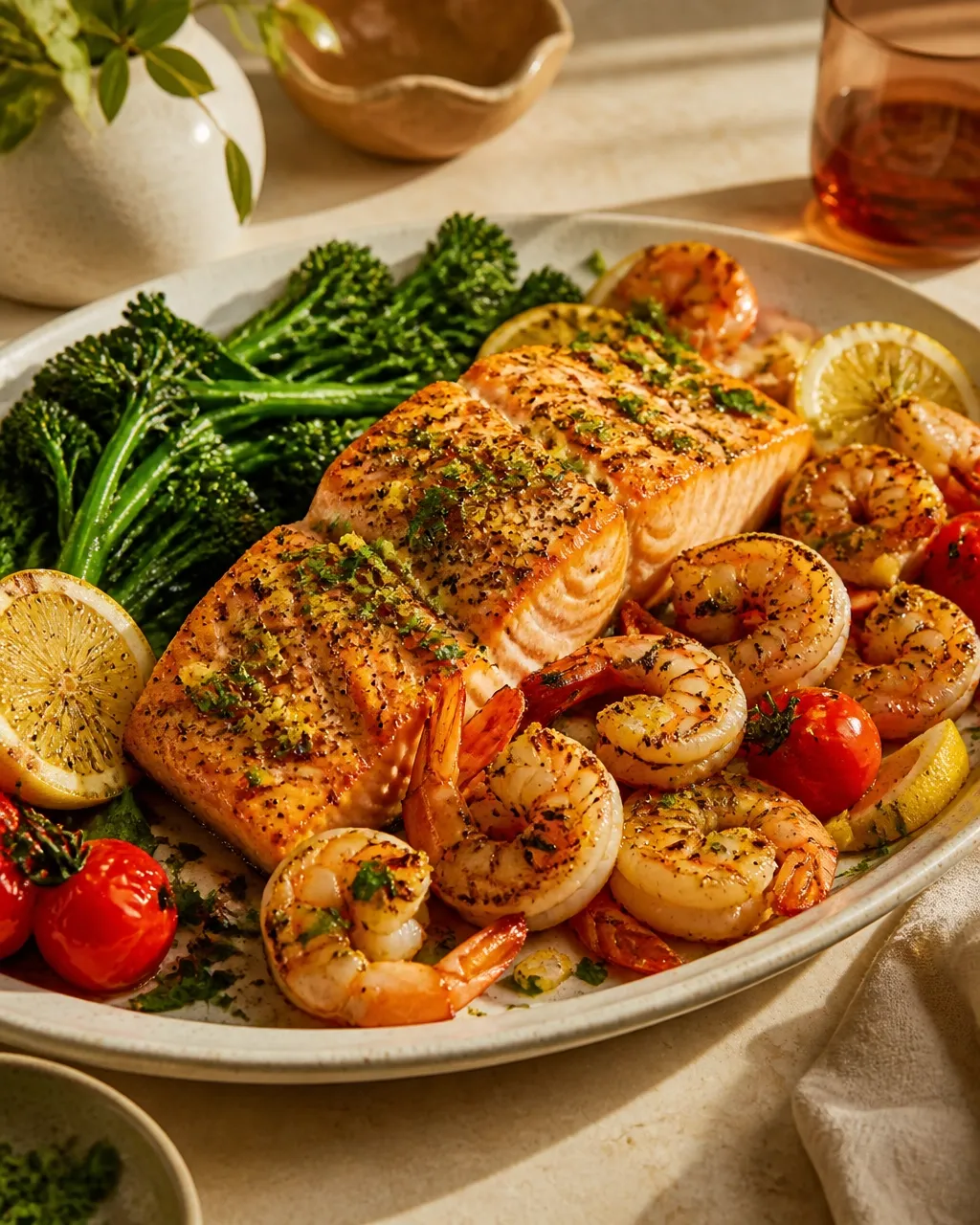
Dry the surface before seasoning
Pat the cod thoroughly with a clean paper towel before adding seasoning. A dry surface helps the herb coating stay in place and allows the outside of the fish to firm more quickly.
Here is the simple science: the oven’s heat must first evaporate water from the surface before it can encourage browning or surface setting. Cod will not develop a thick steak-like crust, but it can still gain a pleasant, lightly firm exterior. Removing excess moisture helps that happen.
Dry the asparagus and tomatoes, too. Wet vegetables release extra water into the pan, which can make them soften without roasting. You want tender asparagus and tomatoes that wrinkle, split, and concentrate their flavor: not vegetables swimming in a pale puddle.
Use lemon in layers, not as a long marinade
Lemon gives this dinner its lift. Use zest or thin slices during cooking for fragrance, then add fresh juice near the end for a sharper finish.
Acid affects fish proteins by partially denaturing them. That is the same broad principle behind ceviche, where citrus changes raw fish from translucent to opaque. But lemon juice is not a reliable substitute for heat. It does not make raw fish safe, so cook the cod properly every time.
Avoid soaking delicate cod in lemon juice for hours. Prolonged acid exposure can make the outer layer firm or slightly chalky while the center remains undercooked. Add lemon close to cooking time, and let the oven handle the rest.
Keep the pan spacious
Give the cod, asparagus, and tomatoes room to breathe. Crowding traps moisture, and trapped moisture creates steam. Steam softens vegetables but prevents the concentrated roasted edges that make this meal taste more exciting than its short ingredient list suggests.
Use a rimmed sheet pan or a wide baking dish. Arrange the vegetables around the fish rather than piling them on top. Keep the cod exposed so hot air can circulate around it and the herbs can perfume the surface.
This is also why a preheated oven matters. Put the pan into fully heated air, not an oven that is still warming up. A hot start improves heat transfer and keeps the total cooking time short.
Roast at high heat for a short time
Bake the dish at about 400°F. This temperature is hot enough to soften asparagus and burst cherry tomatoes while cooking cod efficiently.
Think of cod as a race between heat entering the center and moisture leaving the fish. A moderate-to-high oven shortens that race. Cook too slowly for too long, and the fish loses moisture before the center reaches its ideal texture. Cook quickly and check early, and the flesh stays tender.
Use the clock as a guide only. Fillet thickness, starting temperature, pan material, and oven accuracy all matter. Begin checking thinner pieces early rather than treating a recipe time like a legally binding contract.
Check the thickest part, not the easiest part
Use an instant-read thermometer in the thickest section of the cod. The safe minimum internal temperature for fish is 145°F (63°C), according to FoodSafety.gov’s safe minimum temperature chart.
The fish should also look opaque and flake easily with gentle pressure. If the center still appears glassy or resists separating, continue cooking briefly and check again. Do not judge doneness from the thinnest edge; it will finish first and can give you a false sense of security.
Once the cod is cooked, let it rest for a couple of minutes. Carryover heat will continue moving toward the center, while the flesh firms enough to lift cleanly from the pan.
Let the vegetables build the sauce
Cherry tomatoes are not just colorful decoration. As they heat, their skins wrinkle and split, releasing sweet-tart juices. Those juices mingle with olive oil or butter, lemon, garlic, and herbs to create a loose pan sauce.
Do not chase dramatic browning on the cod. Lean fish can dry out before it develops much color. Let the vegetables provide the roasted flavor instead. Their natural sugars concentrate as moisture evaporates, while their acidity keeps the dish from tasting heavy.
Spoon those pan juices over the fish before serving. That is where the flavor is hiding, and leaving it behind is a small but avoidable kitchen crime.
Variations: Change the Flavor Balance, Not the Method
Keep the same sheet-pan technique and adjust the character of the dish.
For a Mediterranean version, use oregano, parsley, and a few sliced olives. The olives add salt and savory depth, while lemon keeps the combination lively. Serve it with warm bread or a simple grain to catch the juices.
For a gently spicy version, add chili flakes or smoked paprika to the herb coating. Use a light hand. Cod has a delicate flavor, and too much spice will bulldoze it rather than improve it.
Make the dish dairy-free by using olive oil instead of butter. Add extra lemon zest and fresh herbs to replace some of the buttery richness. A small splash of dry white wine can also loosen the pan juices, but do not add so much liquid that the vegetables begin to stew.
Swap cod for haddock, pollock, or another firm white fish. Adjust the cooking time according to thickness, and always check the center. Salmon also works, but its higher fat content creates a richer, more substantial dinner.
If you want another streamlined fish option, compare this recipe with Cookpedia’s garlic butter baked cod with roasted cherry tomatoes. For a completely different hands-off approach, explore Cookpedia’s dinner recipes.
Side Dish Pairings: Add Freshness and Something to Catch the Sauce
Let the side dishes balance the plate. This cod already brings brightness, delicate protein, and roasted vegetables, so avoid adding several rich elements at once.
Serve it with crusty bread for the easiest option. Bread catches the lemony pan juices and adds enough substance without requiring another complicated recipe.
Choose rice, couscous, or quinoa when you want a heartier plate. Grains absorb the sauce and make the meal more filling while keeping it light. Cookpedia’s Quick Mediterranean Quinoa Bowl is a useful pairing idea if you want a lemon-forward grain component.
For contrast, add a peppery arugula salad with a sharp dressing. The greens cut through the richness of butter or olive oil, while their crunch keeps the texture from becoming too soft. These small contrasts are what turn simple food into satisfying quick family meals.
FAQ: What If the Fish, Vegetables, or Sauce Behave Differently?
What if my cod comes out dry?
Check it earlier next time and use a thermometer. Cod dries out when its muscle proteins tighten too far and squeeze out moisture. Thin fillets can finish several minutes before thicker ones, so do not wait for the vegetables to reach your preferred level of softness.
Remove the fish as soon as it reaches 145°F and flakes easily. If the vegetables need longer, take out the cod and return the pan to the oven briefly. Protect the fish first.
What if the center is still translucent?
Return the cod to the oven for a few minutes. Measure the thickest section again rather than relying only on the edges. A glossy, translucent center means the proteins have not fully changed structure yet.
Do not try to solve this by adding more lemon juice. Acid can change the surface texture, but only proper cooking provides the reliable safety you need.
What if the asparagus is tough?
Thickness is usually the reason. Very thick asparagus needs more time than thin spears. Cut the woody ends away and, if necessary, place thicker stalks closer to the hottest part of the pan.
You can also give the asparagus a head start before adding the cod. This works because vegetables and fish do not always share the same cooking schedule. Adjust the timing rather than overcooking the faster ingredient.
What if the tomatoes release too much liquid?
Use a wider pan and avoid crowding. Tomatoes naturally contain plenty of water, and tightly packed vegetables release that moisture into one another. A spacious pan gives the liquid more surface area to evaporate.
Do not panic if the pan looks juicy. The liquid becomes part of the sauce. If it remains thin, spoon it over the cod and serve it with bread or grains instead of trying to reduce it aggressively beside delicate fish.
Can I prepare this ahead of time?
Prepare the herb mixture and vegetables earlier in the day, but keep the raw fish refrigerated until you are ready to cook. Avoid salting the cod hours in advance unless you deliberately want a firmer, lightly cured surface.
Cooked leftovers should be refrigerated promptly in a covered container. Reheat gently in a low oven or in short microwave intervals. High heat forces out moisture and turns tender fish into something with the bounce of a rubber band.
Is this a good choice for healthy dinner ideas?
Yes. Cod is lean, asparagus adds fiber and freshness, and cherry tomatoes provide concentrated flavor without a heavy sauce. Keep the amount of butter or oil sensible, then let lemon, garlic, herbs, and roasted tomato juices do the flavor work.
Serve it with vegetables or a modest portion of whole grains for a balanced meal. Browse Cookpedia’s 30-minute meals for more practical dinners built around real food and efficient cooking.
Can I make this in an air fryer?
You can cook the cod and vegetables separately in an air fryer, but the pan-sauce effect will be different. Fast-moving hot air encourages browning and quick moisture loss, while a sheet pan allows tomato juices to mingle with the fish and herbs.
Use the same non-negotiable rule: check the thickest part of the cod and cook it to 145°F. For more ideas, browse Cookpedia’s air fryer dinner collection.