Recipe
Servings
Servings 1×
Ingredients
- Tofu
- Chickpeas
- Quinoa
- Noodles
- Rice
- Greens
- Avocado
- Garlic
- Fresh ginger
- Lime
- Peanut butter
- Butter
- Cooking oil
- Sesame
- Turmeric
Method
- Let’s be real: by the time 6:00 PM rolls around, the last thing most of us want to do is spend an hour hovering over a hot stove.
- Start by cranking the heat to medium-high.
- Use oils with high smoke points, think avocado or grapeseed oil, rather than extra virgin olive oil, which can turn bitter under high heat.
- Cut your vegetables into uniform, small pieces.
- Cook in batches if you have to.
- Pat them bone-dry with a paper towel and toss them into the hot oil.
Let’s be real: by the time 6:00 PM rolls around, the last thing most of us want to do is spend an hour hovering over a hot stove. You’re hungry, your energy is flagging, and the siren call of takeout is getting louder by the second. But you don't have to settle for greasy cardboard boxes or a bowl of dry cereal. I’m here to tell you that high-vibe, plant-based dinner ideas can hit your table in less time than it takes to scroll through a delivery app.
The Science of the Flash-Fry: Why Heat Matters
The secret to pulling off 15 minute meals without sacrificing flavor lies in one word: thermodynamics. When you’re cooking vegetables and plant-based proteins like tofu or tempeh, your biggest enemy is moisture. If your pan isn't hot enough, your ingredients will sit in their own juices and steam rather than sear. This results in that limp, gray texture we all dread. To avoid this, you need to master the Maillard reaction. This is the chemical dance between amino acids and reducing sugars that creates that beautiful, savory browning.
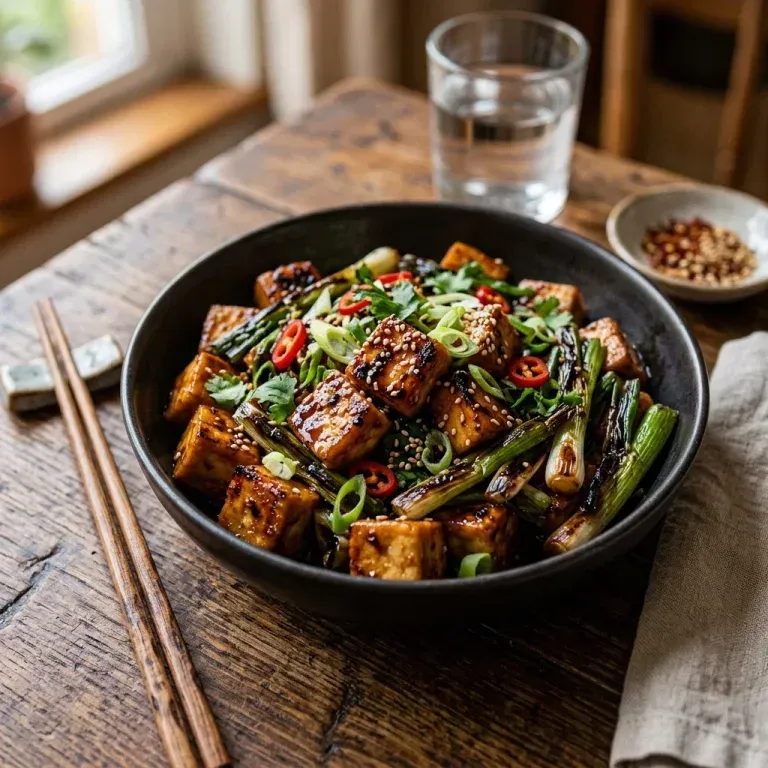
Start by cranking the heat to medium-high. You want the oil to shimmer, almost reaching its smoke point, before a single vegetable touches the surface. Use oils with high smoke points, think avocado or grapeseed oil, rather than extra virgin olive oil, which can turn bitter under high heat. When you drop your tofu or peppers into the pan, you should hear a loud, aggressive sizzle. That sound is the moisture on the surface evaporating instantly, allowing the browning process to begin.
Efficiency in the kitchen also comes down to surface area. Cut your vegetables into uniform, small pieces. The more surface area exposed to the heat, the faster the heat can penetrate to the center. For healthy dinner ideas that don't feel like a chore, keep your "mise en place" (everything in its place) tight. Chop everything before you even think about turning on the burner. Once that pan is hot, things move fast, and you won’t have time to peel ginger while your garlic is burning.
Manage your pan space wisely. Overcrowding is the fastest way to turn a stir-fry into a stew. If you pile too many cold vegetables into the skillet at once, the temperature of the pan will plummet. Instead of searing, the veggies will release their water and sit in a puddle. Cook in batches if you have to. It might feel like it takes longer, but it actually ensures each piece gets that hit of high heat it needs to stay crisp-tender.
If you’re a fan of air fryer recipes dinner enthusiasts often rave about, you can use that same high-convection logic here. The goal is rapid heat transfer. Whether in a wok or an air fryer basket, moving the food constantly ensures every edge gets kissed by the heat. This flash-cooking preserves the structural integrity of the plant cell walls, keeping your dinner crunchy and vibrant rather than mushy and sad.
Mix and Match: Swapping Your Proteins
One of the best things about these quick family meals is how adaptable they are. While tofu is the classic choice for a quick sear, it’s far from your only option. If you’re not a tofu fan, try tempeh. Because tempeh is fermented and more dense, it holds its shape incredibly well and offers a nutty, earthy flavor that stands up to bold sauces.
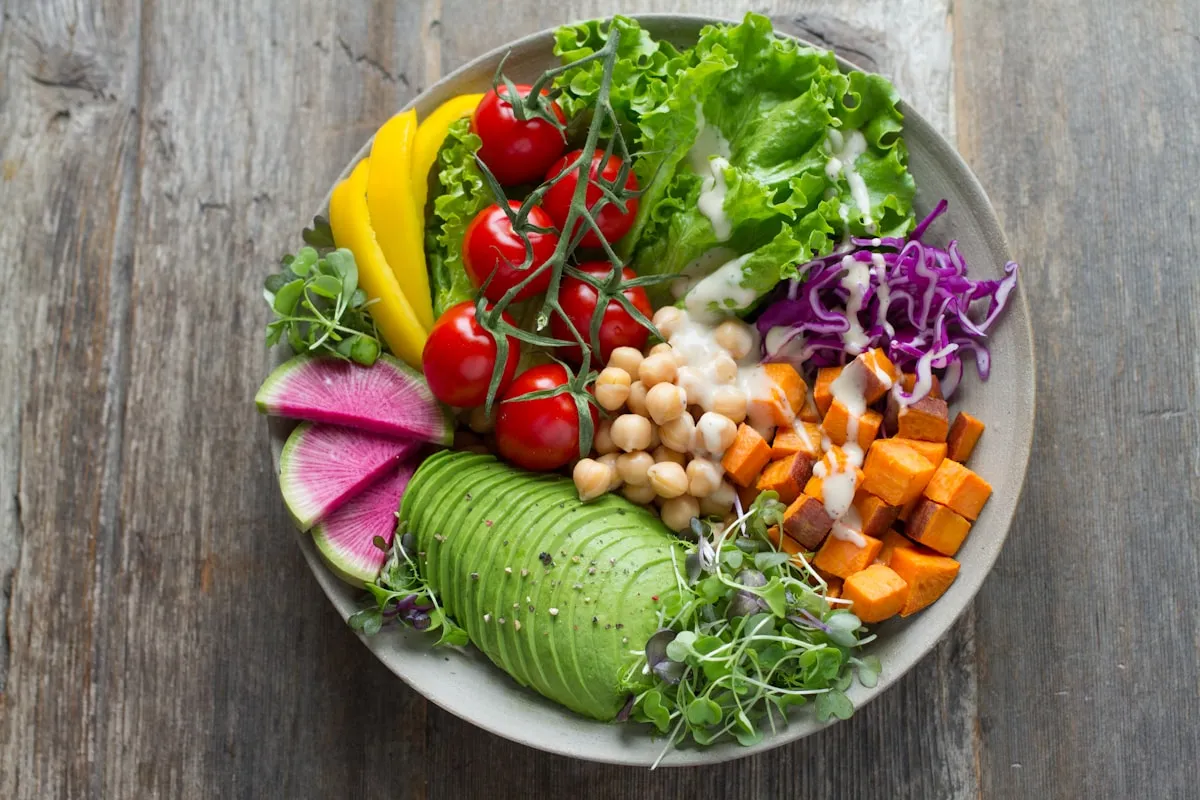
For those days when you haven't even had time to press tofu, reach for a can of chickpeas. Pat them bone-dry with a paper towel and toss them into the hot oil. They’ll blister and pop, creating a crunchy exterior that mimics the texture of croutons. It’s a fantastic way to add protein and fiber without any prep work. You can also experiment with soy curls or seitan, both of which absorb flavors like a sponge and cook through in minutes.
The key to keeping plant-based dinner ideas exciting is varying your aromatics. Don't just stick to garlic. Grate in fresh turmeric for an earthy glow, or throw in some lemongrass for a citrusy punch. The science remains the same: high heat, quick movement, and bold seasoning. If you're craving something with a bit more of a noodle vibe, you can even adapt these techniques to my viral garlic butter ramen hack, which fits perfectly into a 15-minute window.
The Winning Combo: Side Dish Pairings
Even the best stir-fry needs a partner to help balance the plate. To keep things within that 15-minute window, skip the long-grain brown rice that takes 40 minutes to simmer. Instead, opt for quick-cooking grains like quinoa or couscous. These provide a neutral, nutty base that soaks up any excess sauce.
If you want to keep things even lighter, a quick slaw is your best friend. Thinly sliced cabbage tossed with a splash of rice vinegar and a drop of toasted sesame oil adds a cool, acidic crunch that cuts through the richness of a savory stir-fry. This balance of acidity and fat is what makes a meal feel complete. A squeeze of fresh lime juice right before serving serves the same purpose, it "wakes up" the flavors and brightens the entire dish.
Your Burning Questions: Stir-Fry FAQ
Why does my tofu always stick to the pan?
This usually happens for two reasons: the pan wasn't hot enough, or the tofu was too wet. Tofu contains a lot of water. If you don't press it or pat it dry, that water creates a layer of steam between the tofu and the pan, preventing a sear and causing it to glue itself to the surface. Use a non-stick or well-seasoned cast iron skillet and wait for the oil to shimmer.
Can I use frozen vegetables for 15 minute meals?
Yes, but with a caveat. Frozen veggies are often blanched before freezing, meaning they are partially cooked. They also carry extra moisture. To avoid a soggy dinner, don't thaw them first. Throw them straight into a screaming-hot pan in small batches so the ice evaporates instantly. This is a great way to put together quick family meals when the fridge is looking empty.
When should I add my sauce?
Add your sauce at the very end. Most stir-fry sauces contain sugar (like hoisin or maple syrup) or starch (like cornstarch). If you add them too early, the sugars will burn before the vegetables are cooked, and the starch will turn into a gummy mess. Toss your cooked ingredients in the sauce for just 30–60 seconds: just long enough for the sauce to bubble and coat everything in a glossy sheen.
Is it okay to use pre-minced garlic from a jar?
Look, we’ve all been there, but if you want that punchy, vibrant flavor, use fresh. Pre-minced garlic sits in citric acid, which alters its flavor profile and makes it taste metallic when hit with high heat. If you’re in a rush, use a microplane or a garlic press. It takes 10 seconds and makes a world of difference in your healthy dinner ideas.
How do I stop my ginger from being stringy?
The trick is to grate your ginger while it's still frozen. Keep a knob of ginger in a freezer bag. When you need it, don't bother peeling it: just grate it straight into the pan. The fibers stay behind, and you get a fine, slushy ginger paste that melts into your sauce perfectly. It’s one of my favorite hacks for streamlining plant-based dinner ideas.
What oil is best for high-heat cooking?
Avoid unrefined oils or butter, which have low smoke points and will burn. Stick to avocado oil, peanut oil, or refined coconut oil. These can handle the high temperatures required to trigger the Maillard reaction without breaking down or releasing acrid smoke into your kitchen. Save the toasted sesame oil for a finishing drizzle at the end!