Recipe
Servings
Servings 1×
Ingredients
- Chickpeas
- Rice
- Greek yogurt
- Bread
- Potatoes
- Sweet potatoes
- Cauliflower
- Spinach
- Kale
- Cucumber
- Apple
- Fresh ginger
- Lime
- Coconut milk
- Cooking oil
- Curry spices
- Turmeric
- Chili seasoning
Method
- Prepare the ingredients described in the article and heat the cooking surface or oven as directed.
- Cook the main ingredients using the heat and timing guidance in the article.
- Finish with the seasonings and garnishes named in the article, then serve.
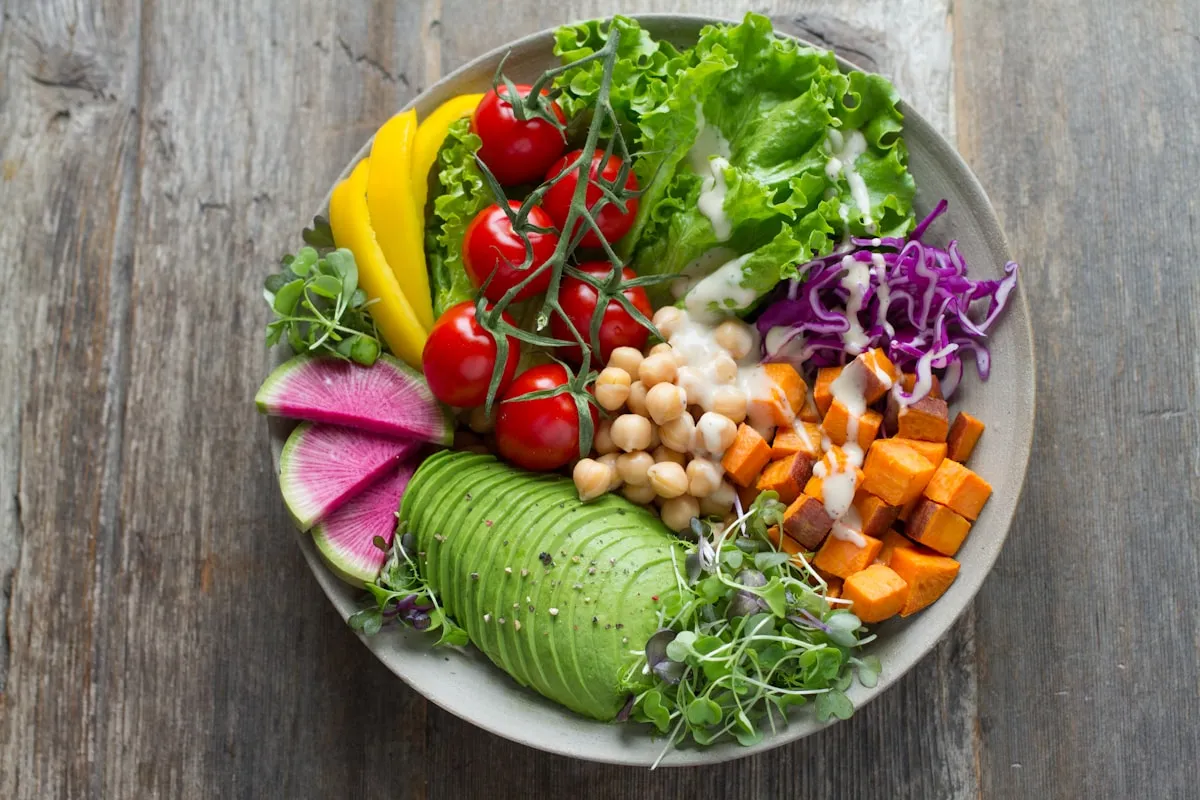
There is something fundamentally soothing about a meal that only requires one pot and yields enough leftovers to make your future self weep with joy. This One-Pot Sweet Potato and Chickpea Curry is exactly that. It is a plant-based powerhouse that manages to be both incredibly light and deeply filling, fitting perfectly into your rotation of healthy dinner ideas. Whether you are a seasoned vegan or just trying to survive a Tuesday, this curry delivers big on flavor without demanding your entire evening in return.
The Art and Science of the Perfect Simmer
When you are looking for quick family meals, the temptation is to throw everything into the pot at once and hope for the best. Resist that urge. Cooking is chemistry, and the first lesson in Curry 101 is "blooming." Most of the aromatic compounds in spices like cumin, coriander, and turmeric are fat-soluble. This means they won't fully release their potential if they are just boiled in water or coconut milk.
Use a small amount of oil or coconut fat at the start and toast your spices over medium heat. Watch for the oil to shimmer and wait for that hit of fragrance to fill the room, this usually takes about thirty seconds. This process, known as blooming, ensures that the flavors are dispersed evenly through the fat before you add the liquid. If you skip this, your curry will taste flat, no matter how much salt you throw at it.
Next, let’s talk about the sweet potatoes. They aren't just there for bulk; they are your natural thickeners. As the potatoes simmer, they release starches through a process called gelatinization. These starch granules swell and eventually burst, leaking into the surrounding liquid. This turns a thin, watery broth into a rich, velvety sauce. If you want an even thicker consistency, use the back of your spoon to crush a few potato chunks against the side of the pot halfway through cooking.
The chickpeas provide the structural integrity. While the sweet potatoes soften and melt into the sauce, the chickpeas maintain a slight "bite" or al dente texture. This contrast is vital for a satisfying mouthfeel. Finally, pay attention to the coconut milk. Pure coconut milk is an emulsion, a delicate balance of water and fat held together by natural proteins. Avoid a rolling, aggressive boil, which can cause the emulsion to break and results in a greasy, separated sauce. Maintain a gentle simmer to keep everything silky and integrated.
Creative Twists and Texture Tweaks
Once you have mastered the base, start playing with the variables. If you find the curry a bit too sweet from the potatoes and coconut milk, introduce acidity to restore balance. A squeeze of fresh lime or a teaspoon of apple cider vinegar right at the end can brighten the entire dish. Acidity acts as a foil to richness, cutting through the heavy coconut fats and making the spices pop.
For those who crave more greens, fold in a few handfuls of baby spinach or chopped kale during the last two minutes of cooking. The residual heat will wilt the greens perfectly without turning them into mush. If you prefer a bit of heat, don't just add more chili powder. Try a spoonful of red curry paste or freshly grated ginger during the blooming stage. Ginger adds a sharp, zingy heat that differs from the slow burn of dried peppers.
If you're feeling adventurous with your kitchen gadgets, you might even consider prepping some of your toppings separately. While this is a one-pot meal, many people who enjoy air fryer recipes dinner find that air-frying some extra chickpeas with a bit of smoked paprika creates a fantastic, crunchy garnish that contrasts beautifully with the creamy curry.
The Perfect Supporting Cast
A great curry is only half the story; the side dishes are what turn it into a feast. The classic choice is basmati rice. Basmati is a long-grain rice that is naturally lower in starch than short-grain varieties, meaning the grains stay separate and fluffy rather than clumping together. This is important because you want the rice to act like a sponge for the sauce, not a brick.
If you want to step away from rice, try warm naan or toasted sourdough. Bread provides a different kind of satisfaction, the ability to "mop" the plate. For a lower-carb option, cauliflower rice works exceptionally well here. Because the curry itself is so flavorful, the neutral profile of the cauliflower carries the sauce without competing for attention. Always serve a cooling element on the side, such as a dollop of unsweetened coconut yogurt or a quick cucumber salad, to refresh the palate between bites.
Troubleshooting Your Curry: FAQ
Why is my curry sauce so watery?
If your sauce looks more like soup, it’s likely because the lid stayed on too long. Simmer the curry uncovered for the last ten minutes. This allows water to evaporate, concentrating the flavors and the coconut fats. Additionally, make sure your sweet potatoes are actually tender; if they haven't started to break down slightly, they haven't released enough starch to thicken the liquid.
Can I use dried chickpeas instead of canned?
You certainly can, but you cannot just throw them into the pot dry. Dried chickpeas need to be soaked overnight and pre-cooked until tender before joining the curry. If you add them raw, the sweet potatoes will have disintegrated into mush long before the chickpeas are even remotely edible. For a faster result, stick to canned, just make sure to rinse them thoroughly to remove excess sodium and that "canned" metallic taste.
My spices taste bitter. What happened?
Bitterness usually occurs during the blooming stage. If the oil is too hot, spices like turmeric and cumin can scorch in seconds. Burnt spices are irredeemable and will permeate the entire dish with a sharp, acrid flavor. If you see the spices turn dark brown or black almost instantly, toss them out, wipe the pot, and start over. It’s worth the five-minute setback.
Is it possible to overcook the sweet potatoes?
Yes. While some breakdown is good for thickening, you don't want a pot of orange mashed potatoes. Check the potatoes with a fork every few minutes toward the end of the cooking time. They should be "fork-tender," meaning the fork slides in easily but the cube still holds its shape. If they are falling apart at a touch, kill the heat immediately.
Can I freeze this for later?
Absolutely. This curry freezes beautifully because the coconut milk and starch from the potatoes create a stable sauce that doesn't separate much upon thawing. Just be aware that the sweet potatoes may become slightly softer after the freezing and reheating process. Reheat it gently on the stovetop, adding a splash of water or coconut milk if it has thickened too much in the fridge.