Recipe
Servings
Servings 1×
Ingredients
- Chicken
- Tofu
- Beans
- Rice
- Cauliflower
- Broccoli
- Carrots
- Spinach
- Cucumber
- Avocado
- Garlic
- Lime
- Peanut butter
- Butter
- Cooking oil
- Soy sauce or tamari
- Sesame
- Chili seasoning
Method
- Use a high smoke-point oil like peanut or avocado oil.
- Sear the chicken, remove it, let the pan get hot again, and then move on to the vegetables.
- Stir-fry vegetables should be "tender-crisp." This means they are vibrant in color and have a bit of a bite left in them.
- Add the "hard" vegetables like carrots and broccoli first, and save the "soft" ones like spinach or bean sprouts for the very last 30 seconds.
- Stir-frying is a skill that pays off every single time you find yourself in a dinner-time pinch.
We’ve all been there. It’s 6:30 PM, the fridge is staring back at you with judgment, and your energy levels are hovering somewhere near zero. You want something better than a bowl of cereal but faster than a slow-cooker project. This is where 15 minute meals become your absolute best friend. Forget the greasy takeout that leaves you feeling like a literal potato. My chicken and vegetable stir-fry is the ultimate weeknight hero: it's fast, crunchy, savory, and actually packs a nutritional punch. Stick with me, and I’ll show you how to dominate the wok without breaking a sweat.
The Science of the Sizzle: Why High Heat is Non-Negotiable
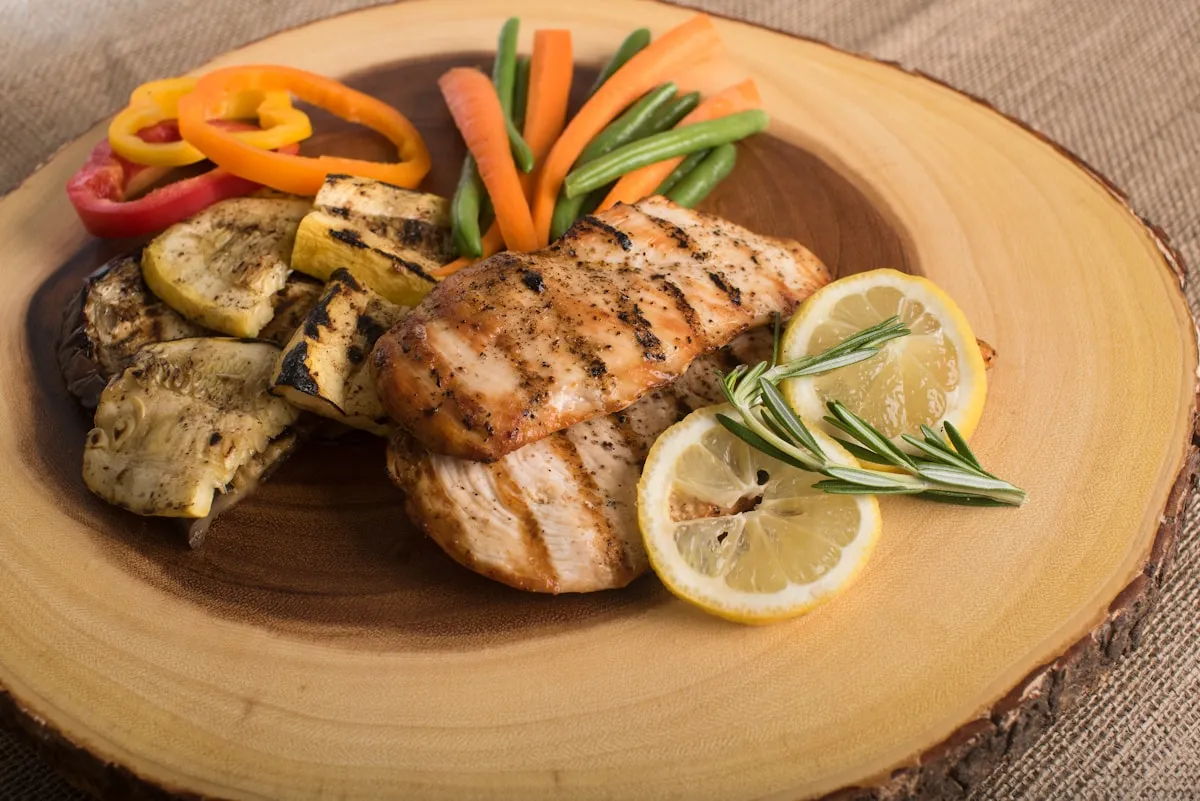
If you want a stir-fry that actually tastes like it came from a professional kitchen, you have to embrace the heat. I’m talking about the kind of heat that makes your exhaust fan earn its keep. The goal here is a chemical phenomenon called the Maillard reaction. This isn't just a fancy cooking term; it’s the magic that happens when proteins and sugars hit high temperatures, creating that deep, savory "browned" flavor we all crave.
Master the Wok Management
Preheat your pan until it is screaming hot before you even think about adding oil. If a drop of water doesn’t dance and vanish in a second, you aren't ready. Use a high smoke-point oil like peanut or avocado oil. Avoid olive oil here; it will burn and turn bitter before you even get your chicken in the pan. Check out our guide on healthy dinner ideas for more tips on choosing the right fats for high-heat cooking.
The Secret to "Velveting" Your Chicken
Ever wonder why restaurant chicken is so impossibly tender while yours sometimes feels like chewing on a pencil eraser? The secret is velveting. Before cooking, toss your thinly sliced chicken in a tiny bit of cornstarch and a splash of soy sauce. The cornstarch creates a protective barrier that keeps the moisture locked inside the meat while allowing the outside to sear perfectly. This technique is a game-changer for quick family meals because it allows you to use lean chicken breast without the risk of it drying out.
Don’t Overcrowd the Pan
This is the cardinal sin of stir-frying. If you dump three pounds of chicken into a small pan, the temperature will plummet, the meat will release its juices, and you’ll end up boiling your dinner in a grey, sad puddle. Cook in small batches. Sear the chicken, remove it, let the pan get hot again, and then move on to the vegetables. It takes an extra three minutes, but it’s the difference between "meh" and "magnificent."
Mix It Up: Balancing Flavor and Texture
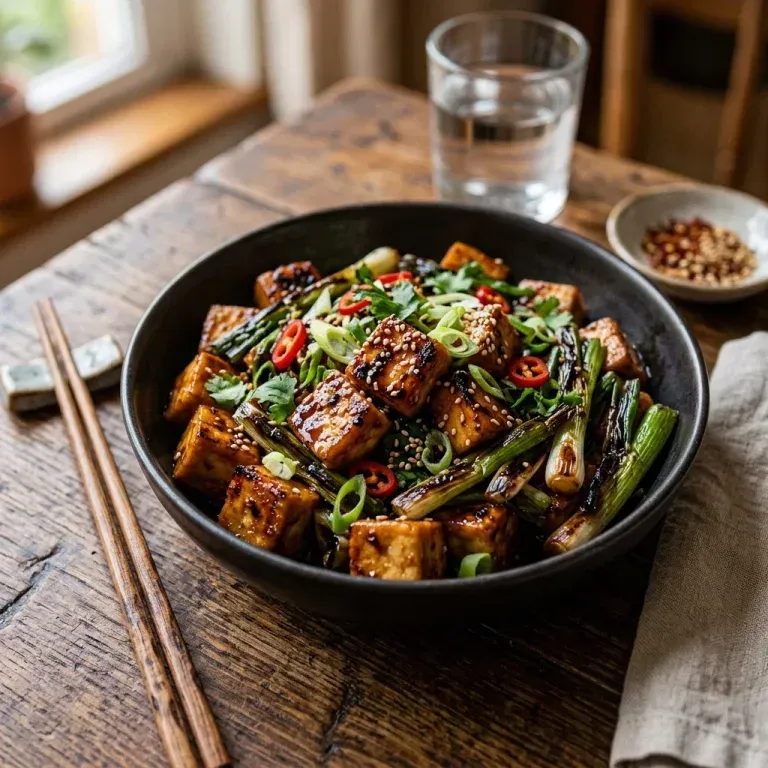
A great stir-fry is all about the balance of the "Big Three": Salt, Acid, and Heat. If your dish feels flat, it’s usually missing one of these. The cashews in this recipe aren't just for show: they provide a fatty, buttery crunch that contrasts with the snap of the vegetables. If you’re looking to branch out, here are a few ways to keep things interesting:
- The Acid Kick: If the sauce feels too heavy, squeeze in half a fresh lime right before serving. The acidity cuts through the saltiness of the soy sauce and brightens the whole plate.
- The Heat Factor: If you like a little fire, toss in some red chili flakes or a dollop of chili garlic sauce. Heat stimulates the palate and makes the other flavors pop.
- The Plant-Based Swap: You can easily swap the chicken for firm tofu or tempeh. Just make sure to press the tofu well to remove excess water so it can brown properly. For more meatless inspiration, browse our vegetarian dinner recipes.
- The Air Fryer Shortcut: If you're short on pan space, try making air fryer recipes dinner style. You can roast the cashews and even some of the heartier vegetables like broccoli in the air fryer for a concentrated flavor and crisp texture while you handle the chicken on the stove.
Perfect Pairings: What to Serve on the Side
While this stir-fry is a powerhouse on its own, the right side dish can elevate it from a "quick meal" to a full-on feast. You want something that can soak up that liquid gold sauce without competing for attention.
- Jasmine Rice: The classic choice. Its floral aroma and fluffy texture are the perfect bed for savory chicken.
- Cauliflower Rice: If you’re keeping things light, sautéed cauliflower rice is a fantastic low-carb alternative. It has a neutral flavor that lets the stir-fry shine.
- Smashed Cucumber Salad: To balance the heat and richness, serve a cold cucumber salad dressed with rice vinegar and sesame oil. The cooling crunch is the perfect palate cleanser between bites of sizzling stir-fry. Check out our quick meals section for more side dish inspiration.
Stir-Fry Success: Frequently Asked Questions
Why are my vegetables always soggy?
Usually, this is because you’re either overcrowding the pan or cooking them for too long. Stir-fry vegetables should be "tender-crisp." This means they are vibrant in color and have a bit of a bite left in them. Add the "hard" vegetables like carrots and broccoli first, and save the "soft" ones like spinach or bean sprouts for the very last 30 seconds.
Can I use frozen vegetables for this?
You can, but proceed with caution. Frozen vegetables hold a lot of water. If you dump them straight into the pan, they will steam rather than sear. Defrost them completely and pat them dry with a paper towel before they hit the wok. Or better yet, just buy fresh: the 15-minute prep time includes chopping!
What is the best oil for stir-frying?
Avoid anything with a low smoke point like butter or extra virgin olive oil. They will smoke and impart a burnt flavor to your food. Stick to peanut, grapeseed, or canola oil. If you want that classic toasted sesame flavor, drizzle sesame oil over the dish after you’ve turned off the heat.
My chicken is sticking to the pan! What did I do wrong?
Two possibilities: your pan wasn't hot enough, or you tried to move the chicken too soon. When protein hits a hot pan, it will naturally stick at first. Once a sear (that Maillard reaction again!) has formed, the meat will "release" from the pan on its own. Be patient and wait for the sizzle to tell you it's ready to flip.
Stir-frying is a skill that pays off every single time you find yourself in a dinner-time pinch. It’s the ultimate way to get quick family meals on the table without sacrificing flavor or health. So, grab your wok, turn up the heat, and start tossing!
{“faq”:{“@type”:”FAQPage”,”mainEntity”:[{“name”:”Why are my vegetables always soggy?”,”@type”:”Question”,”acceptedAnswer”:{“text”:”Soggy vegetables are usually the result of overcrowding the pan or overcooking. To keep them crisp, cook in small batches and only until they are vibrant and ‘tender-crisp’.”,”@type”:”Answer”}},{“name”:”Can I use frozen vegetables for this?”,”@type”:”Question”,”acceptedAnswer”:{“text”:”Yes, but ensure they are completely thawed and patted dry first to avoid steaming the dish instead of searing it.”,”@type”:”Answer”}},{“name”:”What is the best oil for stir-frying?”,”@type”:”Question”,”acceptedAnswer”:{“text”:”Use high smoke-point oils like peanut, grapeseed, or avocado oil. Avoid butter or extra virgin olive oil as they burn at the high temperatures required for stir-frying.”,”@type”:”Answer”}}]},”@type”:”BlogPosting”,”image”:”https://cdn.marblism.com/JCAezVFJso5.webp”,”author”:{“name”:”Penny”,”@type”:”Person”},”@context”:”https://schema.org”,”headline”:”15-Minute Meals: Quick Chicken and Vegetable Stir-Fry with Cashews”,”publisher”:{“logo”:{“url”:”https://cookpedia.com/logo.png”,”@type”:”ImageObject”},”name”:”Cookpedia”,”@type”:”Organization”},”description”:”Learn the secrets to a perfect 15-minute chicken and vegetable stir-fry. Discover the science of the Maillard reaction and how to velvet chicken for restaurant-quality results at home.”,”datePublished”:”2026-07-27″,”mainEntityOfPage”:{“@id”:”https://cookpedia.com/15-minute-chicken-vegetable-stir-fry”,”@type”:”WebPage”}}