Recipe
Servings
Servings 1×
Ingredients
- Chicken
- Quinoa
- Pearled barley
- Rice
- Bread
- Potatoes
- Broccoli
- Mushrooms
- Tomatoes
- Onion
- Garlic
- Lemon
- Coconut milk
- Cream
- Hard cheese
- Cooking oil
- Salt
Method
- Use a heavy-bottomed skillet or a Dutch oven to ensure even heat distribution.
- Let them sit in the hot fat until they release their water and begin to brown deeply.
- Toast the dry grains in the mushroom-infused fat for two to three minutes before adding any liquid.
There is a specific kind of magic that happens when you commit to a single pan. My blog is usually a place where we juggle multiple timers, but today, I want to bring you back to the humble, soulful comfort of a one-pot masterpiece. This Chicken and Rice Casserole with Mushrooms and Thyme isn’t just a lazy weeknight solution; it’s a masterclass in building layers of flavor. If you are looking for quick family meals that don't sacrifice depth, you’ve found the crown jewel of my kitchen.
The Chemistry of Flavor: Searing and Toasting
The secret to a casserole that people actually want to eat, as opposed to a mushy, beige pile of sadness, lies in the science of the sear. Most home cooks rush the first step, but I’m telling you now: do not be that person. You must brown your chicken thighs skin-side down until they are a deep, mahogany gold. This is the Maillard reaction at work, turning simple proteins into a complex profile of savory sweetness. Use a heavy-bottomed skillet or a Dutch oven to ensure even heat distribution. If you’ve been leaning heavily on air fryer recipes dinner lately, you know how vital that crispy skin is; the same principle applies here.
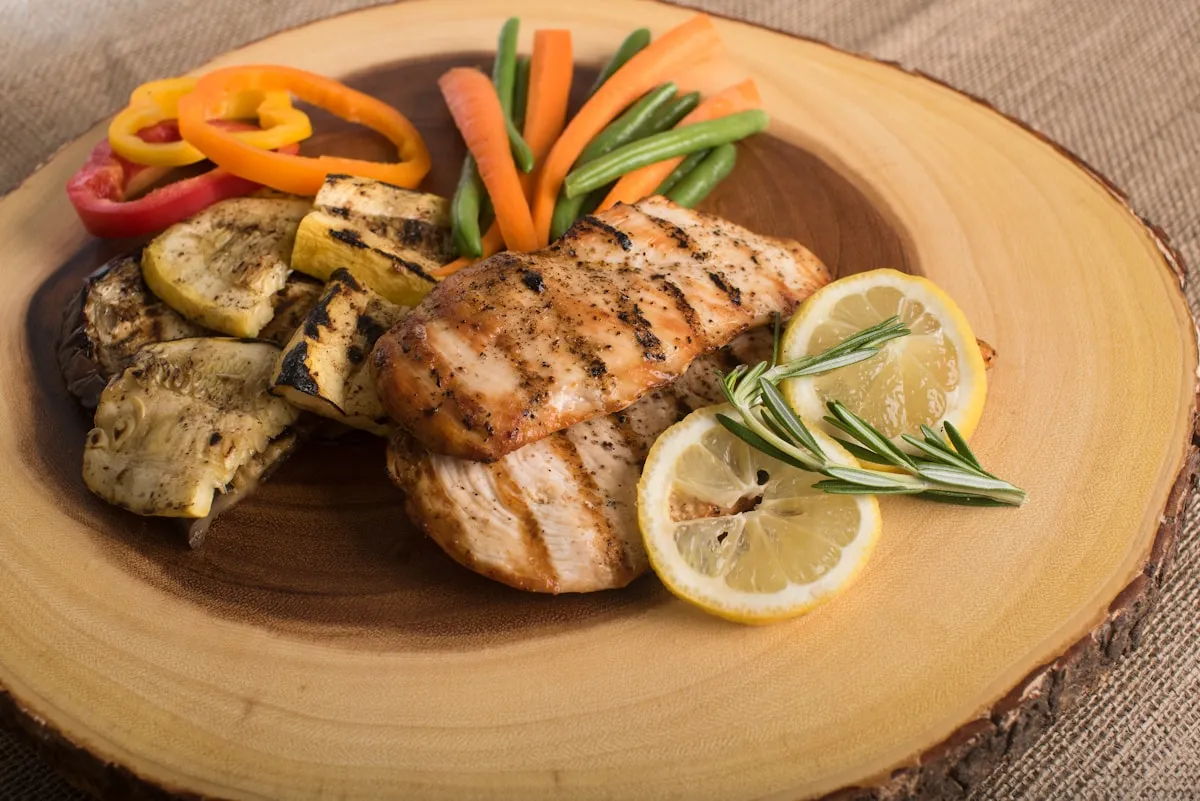
Once the chicken is seared and set aside, you are left with "fond", those glorious little brown bits stuck to the bottom. This is liquid gold. Do not wash that pan! Toss in your mushrooms. Mushrooms are essentially sponges made of water, and if you crowd the pan or salt them too early, they will just boil in their own juices. Avoid the temptation to stir them constantly. Let them sit in the hot fat until they release their water and begin to brown deeply. This is how you extract the earthy, umami flavor that makes this dish sing.
After the mushrooms are caramelized, it’s time to talk about your rice. Treat your rice like a valued guest, not an afterthought. Toast the dry grains in the mushroom-infused fat for two to three minutes before adding any liquid. This "pilaf method" coats each grain in fat, which prevents the starch from over-hydrating and turning the dish into a gummy mess. The rice should look slightly translucent at the edges and smell nutty. During this phase, add your fresh thyme. Thyme is a hardy herb; its oils are fat-soluble, so letting them "bloom" in the hot oil before adding your stock ensures that every forkful of rice carries that woodsy, lemon-peppery aroma.
Sophisticated Variations for Every Palette
While the classic chicken, mushroom, and thyme combo is hard to beat, I often encourage you to experiment once you’ve mastered the base technique. If you are looking for more healthy dinner ideas, try swapping the white long-grain rice for farro or pearled barley. These ancient grains offer a chewy texture and an even nuttier flavor profile, though you will need to adjust your liquid ratios and simmer time significantly (barley needs more of both).
For a dairy-free variation that still feels incredibly creamy, stir in half a cup of full-fat coconut milk along with your chicken stock. It sounds unorthodox, but the coconut fat mimics the richness of heavy cream while adding a subtle sweetness that pairs beautifully with the earthy mushrooms. If you’re a fan of our quick Mediterranean quinoa bowl, you might even consider adding a handful of sundried tomatoes and swapping the thyme for oregano for a sun-drenched, one-pot vacation.
If you have kids who are "mushroom-averse," try finely mincing the mushrooms in a food processor before browning them. They will practically melt into the rice, providing all that incredible umami without the slippery texture that sends some toddlers into a tailspin. This is one of my favorite hacks for creating quick family meals that please everyone at the table without requiring a separate "kid menu."
Balancing the Plate: Side Dish Pairings
A one-pot meal is hearty and rich, which means your side dishes need to provide high-contrast acidity and brightness. Think of your sides as the "clean-up crew" for your palate. A simple arugula salad with a sharp lemon vinaigrette is my go-to. The peppery bite of the greens cuts right through the savory fat of the chicken skin and the creaminess of the rice.
Alternatively, roasted greens are a fantastic companion. Check out our keto garlic parmesan roasted broccoli for a side that adds crunch and a punch of garlic. If you want something even simpler, quick-pickled red onions or even a few cornichons on the side can provide that necessary vinegary pop. Avoid serving this with heavy starches like mashed potatoes or bread; you’ve already got plenty of carbs in the pot, and the goal is balance, not a carb-induced coma.
FAQ: Troubleshooting Your Casserole
Why is my rice still crunchy after 20 minutes?
This is almost always a heat or seal issue. If your lid doesn't fit tightly, steam (which actually cooks the rice) is escaping. Check the seal. If you find the liquid is gone but the rice is still firm, add a quarter-cup of hot stock, put the lid back on, and let it sit off the heat for 10 minutes. The residual steam will often finish the job better than active boiling.
Can I use chicken breasts instead of thighs?
You can, but I wouldn't recommend it for a one-pot simmer. Chicken breasts are lean and dry out very quickly. By the time the rice is tender, the breast meat will likely be overcooked and stringy. Thighs are high in collagen and fat, which means they stay juicy even during the long braising process. If you must use breasts, sear them first, then only add them back to the pot for the last 5-7 minutes of cooking.
My rice turned out mushy. What did I do wrong?
Mushy rice is usually the result of over-stirring or too much liquid. Once you add the stock and nestle the chicken back in, leave it alone! Stirring releases starch, which creates that sticky, risotto-like texture. Stick to the measurements and let the steam do the work. Also, make sure you aren't using "minute" or "instant" rice, which cannot handle this cooking method.
Is it safe to cook raw chicken on top of the rice?
Yes, as long as you follow the searing step first. Searing doesn't just add flavor; it starts the cooking process. As the pot simmers, the chicken reaches a safe internal temperature of 165°F (74°C) at the same time the rice absorbs the liquid. Use a meat thermometer to be sure. This is one of the most efficient healthy dinner ideas because the chicken juices actually season the rice as they cook together.
How do I prevent the bottom from burning?
Lower your heat. Once the liquid reaches a boil, drop the flame to the absolute lowest setting. You want a "lazy" simmer: just a few bubbles breaking the surface. If you’re using an electric stove, which holds heat longer, you may even need to move the pot to a smaller burner. Using a heavy-bottomed Dutch oven is your best insurance policy against a scorched bottom.
{“@type”:”BlogPosting”,”image”:[“https://cdn.marblism.com/uWae8Hz9rFP.webp”,”https://cdn.marblism.com/ZBdvOwbZskR.webp”,”https://cdn.marblism.com/oFHfZ_kQsZ8.webp”,”https://cdn.marblism.com/DLrk3p1llAs.webp”],”author”:{“name”:”Penny”,”@type”:”Person”},”@context”:”https://schema.org”,”headline”:”One-Pot Meals: Chicken and Rice Casserole with Mushrooms and Thyme”,”publisher”:{“logo”:{“url”:”https://cdn.marblism.com/KxroJ1kM_KA.webp”,”@type”:”ImageObject”},”name”:”Cookpedia”,”@type”:”Organization”},”description”:”Learn the science behind the perfect one-pot chicken and rice casserole. Master the Maillard reaction and the pilaf method for a flavor-packed, easy family meal.”,”datePublished”:”2026-07-27″}