Recipe
Servings
Servings 1×
Ingredients
- Tofu
- Rice
- Eggs
- Cauliflower
- Carrots
- Cucumber
- Avocado
- Garlic
- Fresh ginger
- Cream
- Butter
- Cooking oil
- Soy sauce or tamari
- Sesame
- Chili seasoning
Method
- Prepare the ingredients described in the article and heat the cooking surface or oven as directed.
- Cook the main ingredients using the heat and timing guidance in the article.
- Finish with the seasonings and garnishes named in the article, then serve.
We’ve all been there: you walk through the door after a long day, the fridge is looking sparse, and the temptation to order takeout is reaching a fever pitch. But before you reach for your phone, let me introduce you to the ultimate weeknight savior. This vegetable egg fried rice is the crown jewel of 15 minute meals, delivering that savory, smoky "wok hei" flavor in less time than it takes for a delivery driver to find your house. It’s fresh, it’s fast, and it’s about to become your new favorite way to use up those leftover veggies.
The Science of the Perfect Fry
The secret to restaurant-quality fried rice isn't a secret ingredient; it’s physics. To master quick healthy meals like this, you need to understand moisture control. If your fried rice often turns out mushy or clumpy, you’re likely fighting against starch gelatinization. When rice is freshly cooked, the starches are soft and sticky. By using "day-old" rice that has been refrigerated, you benefit from a process called starch retrogradation. In the cold environment of your fridge, the starch molecules realign into a firmer, more crystalline structure. This makes the grains individual and resilient, allowing them to dance in the pan rather than turn into a gummy mass.
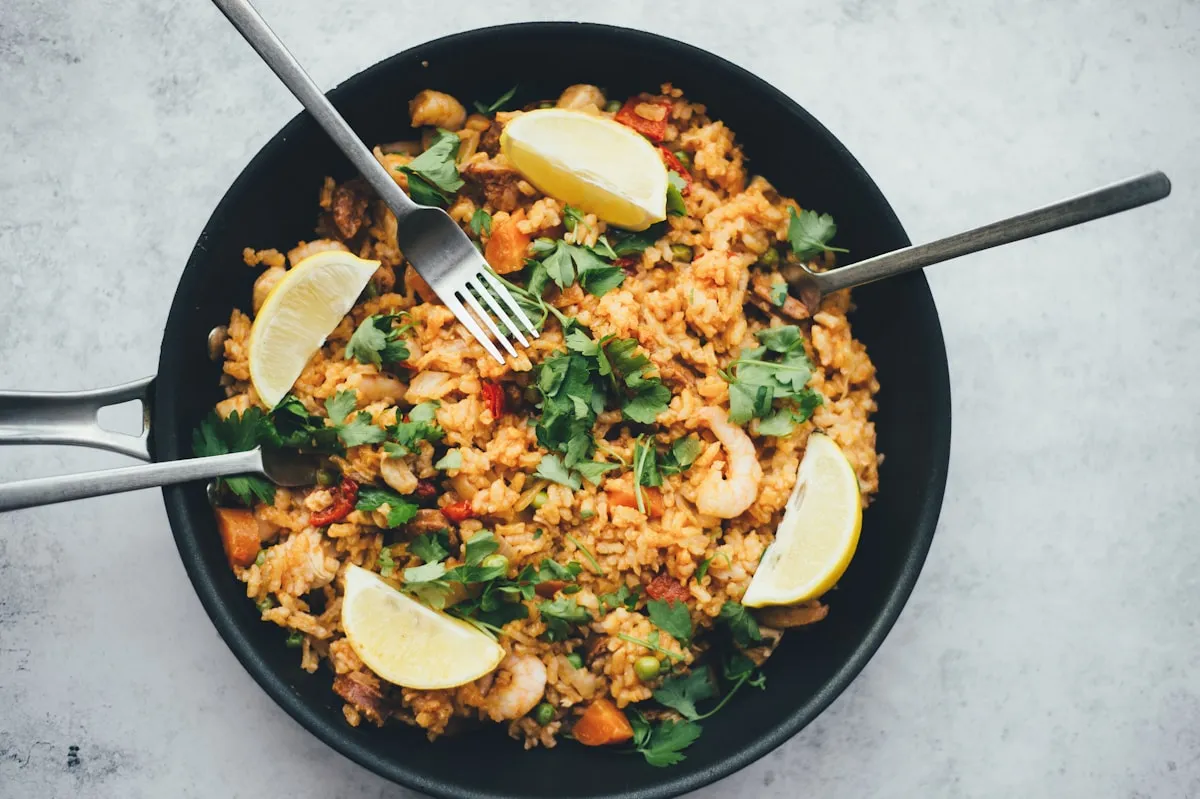
Heat Management and the Maillard Reaction
Don't be afraid of the flame. To get that signature charred flavor, your pan needs to be screaming hot. High heat triggers the Maillard reaction: a chemical dance between amino acids and reducing sugars that creates hundreds of different flavor compounds. Use a neutral oil with a high smoke point, like avocado or grapeseed oil, to coat the pan. If you use butter or unrefined oils too early, they will burn and turn bitter before the rice has a chance to sear.
Avoid the "Steam Trap"
One of the most common mistakes in easy dinner recipes is overcrowding the pan. When you dump too much rice or too many wet vegetables into the wok at once, the temperature of the metal drops instantly. Instead of frying, the moisture in the vegetables begins to steam the rice. Use a large carbon steel wok or a wide cast-iron skillet to maximize the surface area. If you’re doubling the recipe for a larger family, cook in batches. It might seem like more work, but it’s the only way to ensure every grain gets that crispy, toasted exterior we’re after.
The Finishing Touch: Sesame Oil
Sesame oil is a delicate creature. Because toasted sesame oil has a relatively low smoke point and highly volatile aromatic compounds, you must treat it as a finishing oil rather than a frying medium. Adding it too early destroys its nutty, floral profile. Instead, drizzle it over the rice in the final thirty seconds of cooking. This allows the residual heat to "bloom" the oil, coating the grains in a fragrant silkiness without making the dish feel greasy.
Fresh Variations for Every Palate
One of the reasons I love 15 minute meals is their incredible versatility. While the base of this dish is vegetarian, you can easily adapt it to what you have on hand. If you’re looking to boost the protein, consider adding firm tofu that has been pressed and seared. The porous texture of the tofu acts like a sponge for the soy sauce and sesame oil, providing a satisfying, meaty bite without the prep time of raw meat.
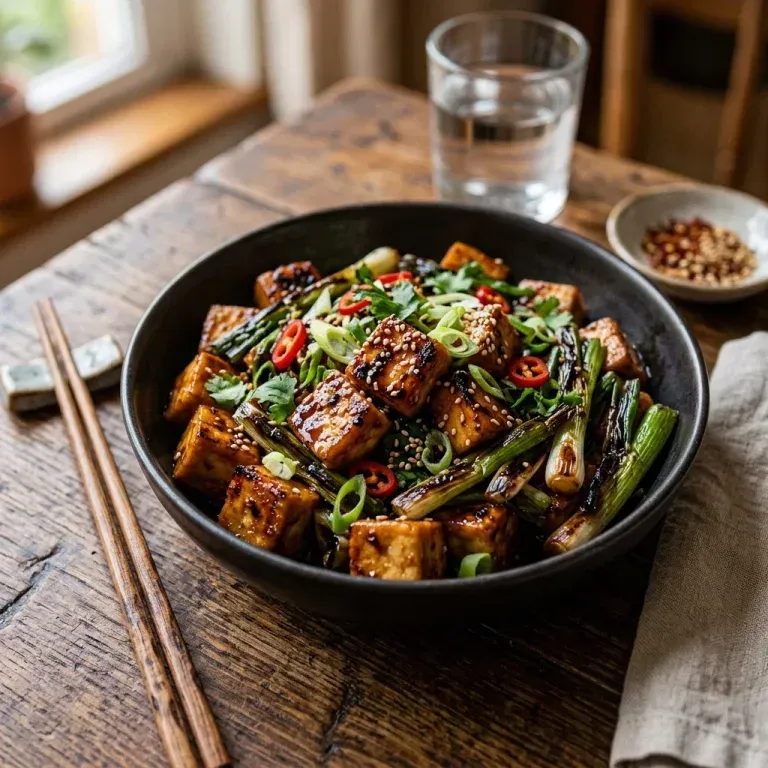
For a lower-carb twist that still feels like a treat, try a "half-and-half" approach. Substitute half of your rice with riced cauliflower. Because cauliflower has a much higher water content than retrograded rice, you’ll need to fry the cauliflower on its own first to drive off the moisture before incorporating the rice and eggs. This keeps the dish light while maintaining that classic fried rice mouthfeel. You can also experiment with your aromatics; while garlic and ginger are the standards, a finely minced stalk of lemongrass or a spoonful of chili crisp can completely transform the flavor profile from classic to contemporary.
Elevating the Meal with Side Pairings
To turn this quick stir-fry into a balanced feast, focus on contrast. Fried rice is naturally rich and savory, so you want to pair it with something that offers acidity or a refreshing crunch. A simple smashed cucumber salad dressed with rice vinegar and a pinch of sugar is the perfect foil to the salty, toasted notes of the sesame oil. The acidity cuts right through the richness of the eggs and oil, cleansing your palate between bites.
If you’re looking for something warmer, a light, clear broth: like a simple miso soup or a ginger-scented vegetable bouillon: provides a comforting companion. Avoid heavy, cream-based sides; they will compete with the rice and leave the meal feeling weighted. For a touch of elegance, serve your fried rice alongside some quick-pickled radishes or carrots. The bright pop of pink and the sharp tang of the brine bring a professional finish to your quick healthy meals at home.
Frequently Asked Questions
Why is my fried rice always mushy?
The culprit is almost always moisture. If you use freshly cooked, steaming rice, the moisture trapped in the grain will turn into steam the moment it hits the oil, creating a porridge-like consistency. Always use chilled, dry rice. If you’re in a rush and must use fresh rice, spread it out on a baking sheet and put it in front of a fan or in the freezer for 15 minutes to dry the surface.
Can I use brown rice for this recipe?
Absolutely! Brown rice is fantastic for easy dinner recipes because its bran layer adds an extra nutty flavor and a chewy texture that stands up well to high-heat frying. Just ensure it has been thoroughly chilled, as brown rice can be even more prone to clumping than white jasmine rice if it’s still warm.
What is the best pan to use?
A carbon steel wok is the gold standard because it responds instantly to temperature changes and develops a non-stick "seasoning" over time. However, if you don't own one, a large, heavy-bottomed stainless steel or cast-iron skillet will work perfectly. Avoid non-stick pans if possible; they aren't designed to handle the screaming high heat required for a true fry.
My eggs are disappearing into the rice: what happened?
If you pour raw eggs directly onto a pile of rice, they will coat the grains and create a "gold-coated" style of fried rice. While delicious, if you want distinct, fluffy curds of egg, you must scramble them separately. Push the rice to the edges of the wok, add a tiny bit of oil to the center, scramble your eggs until they are 80% cooked, and then toss them back into the main mix.
How do I store and reheat leftovers?
Fried rice actually keeps remarkably well. Store it in an airtight container in the fridge for up to three days. When reheating, avoid the microwave if you can; it tends to make the rice rubbery. Instead, toss it back into a hot skillet with a teaspoon of water. The water will create a bit of steam to fluff the grains, and the hot pan will restore that fried texture. Check out our quick meals category for more tips on storing and prepping your favorite dishes.
{“faq”:[{“name”:”Why is my fried rice always mushy?”,”@type”:”Question”,”acceptedAnswer”:{“text”:”Mushy fried rice is usually caused by excess moisture. Using freshly cooked rice or overcrowding the pan leads to steaming rather than frying. Always use chilled, day-old rice for best results.”,”@type”:”Answer”}},{“name”:”Can I use brown rice for fried rice?”,”@type”:”Question”,”acceptedAnswer”:{“text”:”Yes, brown rice works well and adds a nutty flavor and chewy texture. Ensure it is chilled and dry before frying to prevent clumping.”,”@type”:”Answer”}},{“name”:”When should I add sesame oil to fried rice?”,”@type”:”Question”,”acceptedAnswer”:{“text”:”Add toasted sesame oil at the very end of the cooking process. Its flavor is volatile and can turn bitter if exposed to high heat for too long.”,”@type”:”Answer”}}],”@type”:”BlogPosting”,”image”:”https://cdn.marblism.com/4dP0DanJXeX.webp”,”author”:{“name”:”Penny”,”@type”:”Person”},”@context”:”https://schema.org”,”headline”:”15-Minute Meals: Vegetable Egg Fried Rice with Sesame Oil”,”publisher”:{“logo”:{“url”:”https://cookpedia.com/logo.png”,”@type”:”ImageObject”},”name”:”Cookpedia”,”@type”:”Organization”},”description”:”Learn the science behind the perfect 15-minute vegetable egg fried rice. Master moisture control, starch retrogradation, and the perfect sesame oil finish for a healthy weeknight dinner.”,”datePublished”:”2026-07-19″,”mainEntityOfPage”:{“@id”:”https://cookpedia.com/15-minute-meals-vegetable-egg-fried-rice”,”@type”:”WebPage”}}