Recipe
Servings
Servings 1×
Ingredients
- Chicken
- Salmon
- Shrimp
- Pork
- Steak
- Ground turkey
- Tofu
- Lentils
- Chickpeas
- Pasta
- Rice
- Greek yogurt
- Broccoli
- Spinach
- Kale
- Peas
- Corn
- Avocado
Method
- Use acidic ingredients like lemon juice or rice vinegar at the very end of the cooking process.
- Combine these with a quick homemade sauce, think tahini, lime, and a dash of Sriracha, to get that creamy, spicy hit without the saturated fat of a mayo-based restaurant dressing.
- Keep a "hero" ingredient in your pantry.
- Use a heavy cast-iron pan for better heat retention and a squeeze of lime before serving to enhance flavors without excess sodium.”,”@type”:”Answer”}},{“name”:”Is frozen produce actually healthy?”,”@type”:”Question”,”acceptedAnswer”:{“text”:”Yes, frozen vegetables are often flash-frozen at peak ripeness, preserving nutrients.
It is 6:00 PM on a Tuesday. You are staring at the fridge, and the fridge is staring back with a judgmental emptiness. The temptation to reach for your phone and pull up a delivery app is massive. We have all been there. It feels like a choice between your sanity and a home-cooked meal. But when you look at the long-term impact on your health, your wallet, and your family’s habits, the winner is clear. Choosing healthy weeknight dinners over the cardboard box of convenience changes more than just what is on your plate; it changes how your body functions.
The Science of the "Bliss Point" and Why Home Cooking Wins
When you order takeout, you are not just paying for convenience; you are paying for chemistry. Restaurants often design their food around the "bliss point", a specific ratio of salt, sugar, and fat that overrides your brain’s natural satiety signals. This is why you can finish a giant container of sesame chicken and still feel a strange, hollow hunger an hour later.
At home, you break this cycle. Research shows that frequent home cooking is linked to a significantly lower intake of sodium and "empty calories." When you cook, you control the Maillard reaction, that chemical process where amino acids and reducing sugars give browned food its distinctive, savory flavor. Instead of relying on a half-cup of soy sauce (and the subsequent 2,000mg of sodium), use high heat to sear your proteins. Achieving a deep, golden-brown crust on a 15-minute teriyaki beef stir-fry provides more flavor than a bucket of salt ever could.
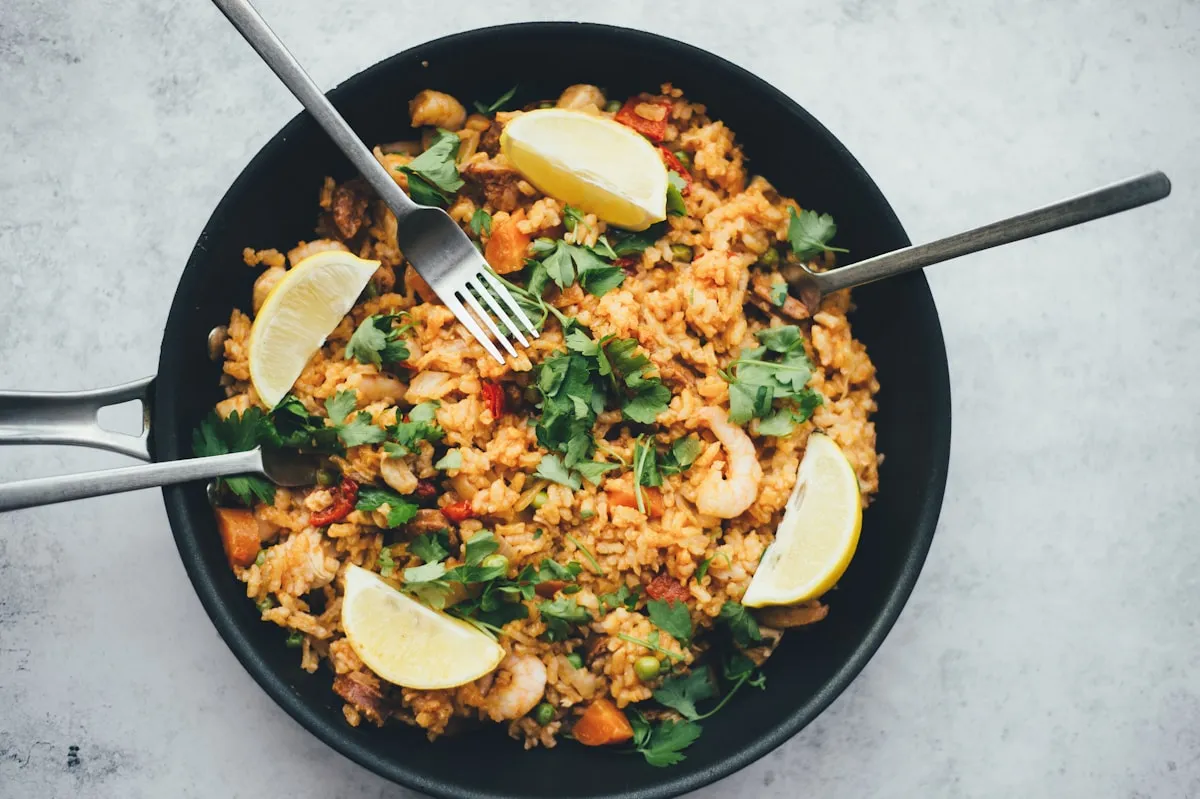
Prioritize mise en place. This is the professional chef’s secret to keeping quick family meals from turning into a chaotic disaster. Chop your aromatics, onions, garlic, ginger, before you ever turn on the stove. This preparation prevents the panic that leads to overcooked, rubbery meat. Use acidic ingredients like lemon juice or rice vinegar at the very end of the cooking process. Acidity acts as a flavor "brightener," mimicking the punchy taste of restaurant food without the hidden sugars.
Choose your fats wisely. Takeout is often prepared in highly processed oils or heavy butter to ensure nothing sticks and everything tastes "rich." At home, use stable fats with higher smoke points for searing, like avocado oil, and save your extra virgin olive oil for finishing. This preserves the delicate nutrients in the oil and prevents the formation of inflammatory compounds that occur when oil is overheated.
Finally, embrace the power of steam and convection. Using an air fryer is a game-changer for recreating that "fried" texture without the vat of oil. When looking for air fryer recipes dinner options, remember that the circulating hot air removes moisture from the surface of the food rapidly. This creates a crisp exterior while keeping the inside juicy. It is effectively a miniature convection oven that cuts your cooking time in half, making it the ultimate tool for quick family meals.
Mastering the "Fakeout" Variation
You do not have to give up the flavors of your favorite takeout to eat well. The trick is to swap the delivery staples for nutrient-dense alternatives that satisfy the same cravings. If your family loves heavy, cream-based curries, try a budget-friendly red lentil dahl. Lentils provide a massive boost of fiber and plant-based protein that keeps you full far longer than a white rice-heavy takeout container.
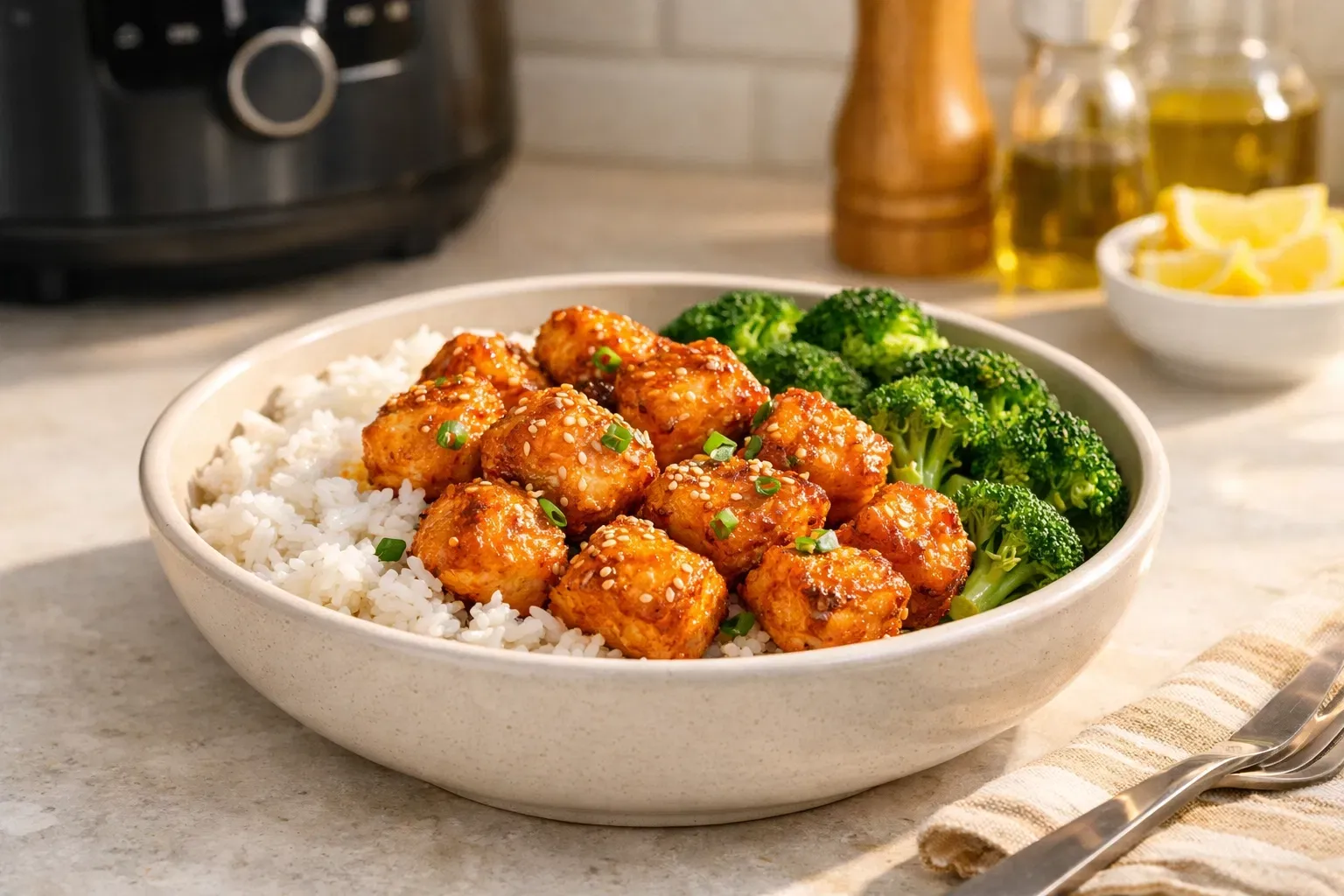
Think about texture. Takeout often relies on "crunch" to provide satisfaction. You can achieve this by adding toasted seeds, crushed nuts, or fresh, raw vegetables to the top of your cooked dishes. If you are making a stir-fry, throw in a handful of sugar snap peas during the last 60 seconds. They will stay bright green and snappy, providing a textural contrast that makes the meal feel "professional."
For a plant-based spin on the classic "fried" chicken habit, use your air fryer for tofu or chickpeas. The high-speed air movement creates a satisfying "pop" in the mouth. Combine these with a quick homemade sauce, think tahini, lime, and a dash of Sriracha, to get that creamy, spicy hit without the saturated fat of a mayo-based restaurant dressing.
The Art of Balancing Your Plate
A successful home-cooked meal is a lesson in balance. Most takeout fails because it is "one-note", usually sweet and salty. To make your healthy weeknight dinners truly stand out, you must balance richness with acidity and bitterness.
Pair a rich, fatty protein like salmon or pork chops with a bright, citrus-heavy salad. A simple arugula salad with lemon vinaigrette cuts right through the fat of the meat, cleansing your palate and making every bite taste as good as the first. If you are serving a hearty, earthy dish like quick chickpea and spinach stew, add a dollop of Greek yogurt or a sprinkle of feta. The tanginess provides a necessary counterpoint to the deep, warm spices.
Avoid serving two "heavy" sides. If you have a starch like rice or pasta, make your second side a green vegetable. Roasted broccoli, sautéed kale, or even a simple bowl of steamed peas adds volume to your meal without adding significant calories. This "volume eating" strategy is the best way to ensure everyone leaves the table satisfied rather than stuffed.
Healthy Dinners FAQ: Science and Solutions
Why does my home-cooked food never taste as good as takeout?
It usually comes down to three things: salt, fat, and heat. Restaurants use much more salt and butter than you would dare to at home. They also use commercial-grade burners that get much hotter. To fix this, use a heavy cast-iron pan to retain heat and don't be afraid to use a "finishing salt" or a squeeze of lime right before serving to wake up the flavors.
Is frozen produce actually "healthy" for weeknight meals?
Yes, and sometimes it is even better than fresh. Frozen vegetables are typically picked and flash-frozen at the peak of ripeness, locking in vitamins and minerals. For quick family meals, frozen peas, corn, and spinach are lifesavers. Avoid "sauced" frozen veggies, which are often loaded with sodium and preservatives.
Can I really cook a healthy dinner in under 20 minutes?
Absolutely. The key is choosing ingredients that cook quickly, like shrimp, ground turkey, or thinly sliced steak. Utilizing your air fryer for air fryer recipes dinner also significantly reduces both pre-heat and cook times compared to a traditional oven.
What should I do when I am too tired to even boil water?
Keep a "hero" ingredient in your pantry. A jar of high-quality marinara, a can of chickpeas, or a bag of pre-washed salad can be the base of a meal. A 5-minute salad with canned tuna and balsamic is still infinitely better for your body than a greasy burger from a drive-thru.
How do I stop my kids from asking for takeout?
Involve them in the process. When kids help "design" the menu or toss the salad, they are more likely to eat it. Explain the "why" behind the ingredients: how the salmon helps their brains or how the spinach makes them strong. Creating a positive, home-cooked culture is the best defense against the convenience trap.
{“@type”:”BlogPosting”,”image”:[“https://cdn.marblism.com/dulB9SHmVqG.webp”,”https://cdn.marblism.com/o7hGxcgKPrW.webp”,”https://cdn.marblism.com/hWpxHrQyRAa.webp”,”https://cdn.marblism.com/HzFFTDDCJG8.webp”,”https://cdn.marblism.com/ZJvaRqN_x-v.webp”],”author”:{“name”:”Penny”,”@type”:”Person”},”faqPage”:{“@type”:”FAQPage”,”@context”:”https://schema.org”,”mainEntity”:[{“name”:”Why does my home-cooked food never taste as good as takeout?”,”@type”:”Question”,”acceptedAnswer”:{“text”:”It usually comes down to salt, fat, and heat. Use a heavy cast-iron pan for better heat retention and a squeeze of lime before serving to enhance flavors without excess sodium.”,”@type”:”Answer”}},{“name”:”Is frozen produce actually healthy?”,”@type”:”Question”,”acceptedAnswer”:{“text”:”Yes, frozen vegetables are often flash-frozen at peak ripeness, preserving nutrients. Just avoid those with pre-added sauces.”,”@type”:”Answer”}},{“name”:”Can I cook a healthy dinner in under 20 minutes?”,”@type”:”Question”,”acceptedAnswer”:{“text”:”Yes, by using quick-cooking proteins like shrimp or utilizing an air fryer to speed up the process.”,”@type”:”Answer”}}]},”@context”:”https://schema.org”,”headline”:”Healthy Weeknight Dinners vs Takeout: Which Is Better for Your Family?”,”publisher”:{“logo”:{“url”:”https://cookpedia.com/logo.png”,”@type”:”ImageObject”},”name”:”Cookpedia”,”@type”:”Organization”},”description”:”A comparison of home cooking vs takeout for family health, focusing on the science of nutrition and quick weeknight strategies.”,”datePublished”:”2026-07-16″,”mainEntityOfPage”:{“@id”:”https://cookpedia.com/healthy-weeknight-dinners-vs-takeout”,”@type”:”WebPage”}}