Recipe
Servings
2 1×
Serves 2Prep 5 minCook 10 minTotal 15 min
Nutrition per serving
Ingredients
- 8 oz spaghetti reserve the glue-water
- 2 large egg yolks room temperature
- 1/2 cup Parmesan cheese grated wedge
- 8 oz cremini mushrooms seared for umami
- 1 tsp black pepper aggressive amount
Method
- Sizzle mushrooms with space to evaporate water and trigger the Maillard savory bomb.
- Use reserved starch water to stabilize egg proteins, avoiding the ‘scrambled egg’ trap.
- Turn heat off entirely; let the physics of the hot pasta cook the egg into a thick custard.
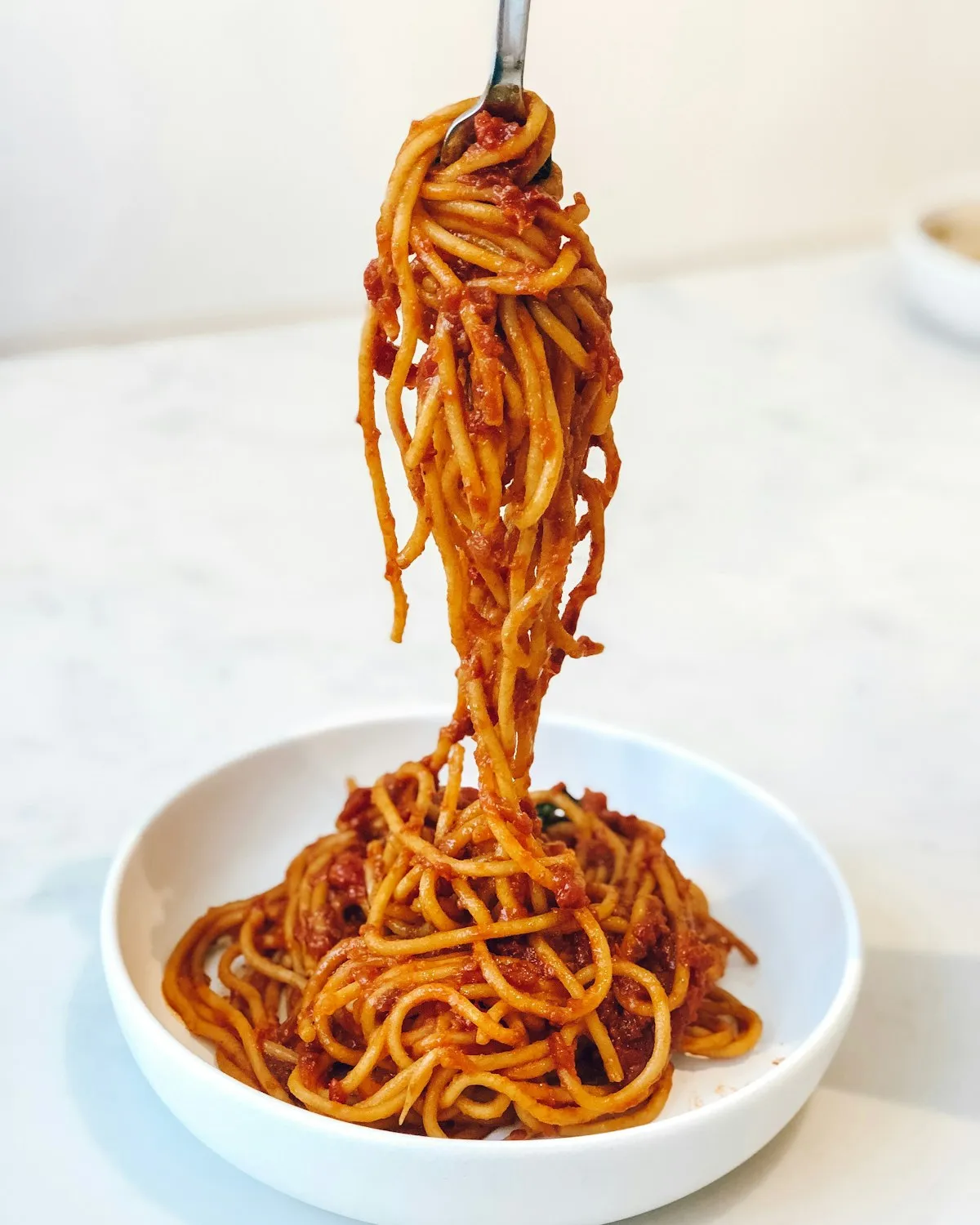
If you think a proper carbonara requires a trip to a specialty Italian grocer and a prayer to the pasta gods, you’re doing it wrong. The 15-minute Mushroom Carbonara is the ultimate weeknight flex. It’s elegant, deeply savory, and arguably the king of simple pasta recipes. While the traditional version leans on guanciale, swapping the pork for high-umami mushrooms isn’t just a vegetarian pivot: it’s a masterclass in texture and technique. Let’s break down how to turn basic pantry staples into a silky, golden masterpiece without ever seeing a drop of heavy cream.
The Science of the Silk: Emulsification and Umami
Creating a carbonara is less about “cooking” and more about running a tiny sauce laboratory in your skillet. At its core, carbonara is an emulsion: a stable mixture of fat, water, and protein that would normally rather stay in separate corners like relatives at a tense holiday dinner. When you whisk egg yolks with finely grated hard cheese, you build a concentrated mixture loaded with fat, proteins, and emulsifying power. The moment that mixture hits hot pasta and a little reserved pasta water, it transforms from thick paste into glossy sauce.
The starch in that water is doing serious heavy lifting. As pasta cooks, it releases surface starches into the pot. Those starch molecules help suspend fat droplets and slow down the rate at which egg proteins tighten up. In plain English: starch gives you a better shot at silk instead of scrambled regret. If you dump all your pasta water, you lose your easiest insurance policy. Reserve more than you think you need. Use it gradually. Watch how the sauce loosens, clings, and turns shiny instead of greasy.
Eggs matter here beyond richness. The yolks contain lecithin, a natural emulsifier that helps water and fat cooperate. That is the whole carbonara game. You are persuading cheese fat, egg yolk, mushroom juices, and pasta water to become one unified sauce. Direct heat ruins that negotiation fast. Push the pan too hard and the proteins in the egg seize, clump, and turn your dinner into cheesy scrambled noodles. Kill the heat before adding the egg mixture. Toss aggressively. Add splashes of hot pasta water as needed. Let residual heat do the job like the quiet professional it is.
The mushroom side of the equation is just as nerdy, and thankfully just as delicious. Mushrooms bring glutamates, the compounds most responsible for umami perception. Aged cheese also brings glutamates. Put the two together and you get synergy, not just addition. That savory depth tastes bigger than the ingredient list suggests. It is the culinary version of two decent singers suddenly becoming a killer duet. This is why mushrooms work so well in carbonara: they don’t merely replace pork, they create a different but equally convincing savory structure.
That said, mushrooms do not hand over their best flavor for free. They are mostly water, which means the first phase of cooking is often evaporation, not browning. If you crowd the pan, the temperature drops, moisture accumulates, and the mushrooms steam. Steamed mushrooms are fine if you enjoy the emotional thrill of beige. For carbonara, you want concentrated flavor and edges with attitude. Use high heat. Give the mushrooms space. Let them release moisture, then keep going until that moisture cooks off and the surface starts to brown.
That browning is the Maillard reaction, and yes, it matters. When amino acids and sugars react under heat, they generate a whole pile of new flavor compounds: nutty, roasted, savory, and deep. That is how mushrooms go from mild to intensely meaty. It is also why patience pays off more than constant stirring. Move them enough to prevent burning, but not so much that they never make solid contact with the pan. If you want the kind of flavor that makes people ask whether there is secretly bacon in the dish, this is the moment that delivers it.
Salt timing matters too. Salt mushrooms too early and you speed up moisture release before browning has a chance to get going. That is useful in some dishes, but not this one. Here, let the mushrooms brown first, then season. You will get better texture and a more concentrated savory note. Pepper matters as well, but for a different reason. Black pepper adds volatile aromatic compounds and a sharp, woody bite that keeps the sauce from tasting flat. Carbonara without enough black pepper tastes like it forgot its own personality.
Cheese pulls double duty. It adds salt and umami, but it also thickens the sauce with proteins and fat. Finely grate it. Don’t use the dusty pre-shredded stuff if you can help it. Anti-caking agents interfere with smooth melting, and carbonara is absolutely not the place to test your luck. Use the good stuff, grate it fine, and give it every chance to disappear into the sauce instead of announcing itself in grainy little clumps.
The final texture should coat the pasta, not drown it. This is not an alfredo situation. Carbonara is glossy, clingy, and light on its feet despite being rich. If it looks tight, add another spoonful of pasta water. If it looks watery, toss longer and let starch, cheese, and egg proteins pull things back together. The difference between perfect and disappointing is usually thirty seconds and one smart splash of water.
The best part is that all this science makes the dish more forgiving once you understand it. You are not chasing restaurant mysticism. You are managing moisture, temperature, starch, and protein. That is it. Respect those four things and you get a bowl of pasta that tastes far fancier than the clock suggests. For more on the magic of starch, check out our guide on The Starch Emulsion Secret.
Variations: Flipping the Script
Once you’ve mastered the core chemistry of 15-Minute Mushroom Carbonara, start messing with the variables like a responsible kitchen goblin. The trick is not to overload the dish. Carbonara is built on a tight formula, so every variation needs to support richness, not bury it.
The Earthy Upgrade: Use a mix of fresh mushrooms instead of relying on one type. Cremini give you dependable savory depth, shiitakes bring a meatier chew, and oyster mushrooms add frilly edges that crisp up beautifully. If you want to go full umami gremlin, add a small amount of rehydrated dried porcini. Their soaking liquid, strained well, carries concentrated glutamates and aroma compounds that deepen the whole pan. Use restraint, though. Too much and the dish starts tasting swampy instead of elegant.
The Extra-Browned Version: Push the mushrooms further than feels emotionally comfortable. Deep browning gives you more concentrated flavor and less moisture in the finished sauce. That matters because carbonara gets loose from pasta water, not from vegetable seepage. Better-browned mushrooms mean cleaner flavor and a more controlled emulsion.
The Zesty Contrast: Carbonara is rich by design, so a finishing touch with brightness works wonders. Add lemon zest right at the end, not earlier. You want aromatic lift, not cooked citrus sadness. That tiny bit of zest helps cut the perceived heaviness of the egg and cheese and makes the mushroom flavor feel more defined.
The Pepper-Forward Route: Black pepper is not garnish here. It is structural. Use it generously if you want the dish to taste more traditionally carbonara-like. Pepper’s sharp bite balances the rounded fat of yolks and cheese, which keeps the pasta from reading as one long creamy note.
The Smoked Detour: If you miss the smoky note of cured pork, add a pinch of smoked paprika to the mushrooms while they brown. Keep your hand light. The goal is subtle campfire, not “someone dropped a log in the skillet.”
Side Dish Pairings: Balancing the Plate
When serving something as rich as a mushroom carbonara, your side dishes need to work like a clean edit button for your palate. You want acidity, bitterness, crunch, or all three if you’re feeling ambitious.
Avoid anything creamy or extra starchy. Garlic bread with carbonara is too much of a good thing, and “too much of a good thing” is how you end up horizontal on the couch questioning your life choices. Instead, use a crisp arugula salad with lemon vinaigrette. Peppery greens echo the black pepper in the pasta, while acid cuts through yolk and cheese fat so every bite still tastes alive.
Charred broccolini is another strong move. Its slight bitterness keeps the mushrooms from dominating the whole plate, and that charred edge mirrors the browned mushroom flavor without competing with it. A shaved fennel salad also works beautifully if you want something colder and crunchier. Fennel’s fresh anise note lifts the deep savory base and keeps dinner from feeling too heavy.
If you want to keep this in the realm of quick family meals, pair it with roasted green beans finished with lemon or red wine vinegar. Simple, sharp, done. For nights when you’re browsing for healthy dinner ideas that still feel like actual comfort food, this kind of contrast is the difference between rich and exhausting. If you’re looking for more quick accompaniment ideas, our Quick Meals category has plenty of inspiration for high-impact sides that won’t add more than ten minutes to your total prep time.
FAQ: Troubleshooting Your Carbonara
What if my sauce turns out clumpy or scrambled?
That is almost always a heat problem. Egg proteins tighten quickly once they get too hot, and once they squeeze together into curds, the smooth sauce is gone. Move the pan off the heat immediately and add a splash of cooler pasta water to help loosen things. Next time, wait a beat before adding the egg-cheese mixture and toss constantly. Carbonara rewards confidence, but not aggression.
What if my sauce looks greasy instead of creamy?
Your emulsion probably split. That can happen if there is not enough starchy water, if the cheese fat melts too fast, or if the egg mixture heats unevenly. Add a small splash of pasta water and toss hard. You are trying to pull separated fat back into a stable mixture with starch and lecithin. Usually, it is recoverable if you act fast.
Can I use whole eggs instead of mostly yolks?
You can, but expect a lighter, slightly less luxurious sauce. Yolks contain more fat and more lecithin, which means better emulsifying power and a silkier result. Whole eggs bring extra water and egg white proteins, which can make the sauce set more firmly. It still works, but the texture shifts from velvety to more custardy.
Can I use pre-grated cheese from a can?
Absolutely not. Non-negotiable. Pre-grated cheeses are usually coated with anti-caking agents that interfere with melting. In a dish where smooth texture is the whole point, that is a self-inflicted wound. Buy a wedge. Grate it fine. Save yourself from gritty sadness.
Why are my mushrooms soggy and grey?
You crowded the pan, used timid heat, or both. Mushrooms hold a ton of water, so they need enough space for that moisture to evaporate quickly. If the pan gets overloaded, the water pools and the mushrooms steam. Use a wider skillet or work in batches. Browning is flavor. Steaming is just delay.
What if I want even more mushroom flavor?
Use a blend of mushrooms, brown them deeply, and consider a small amount of dried porcini. The reason this works is simple: more glutamates, more aroma compounds, more savory depth. Just don’t dump in a gallon of soaking liquid and expect magic. Too much extra moisture can weaken the sauce.
Is it safe to eat "raw" eggs in the sauce?
The eggs are not really raw by the time the dish comes together. Residual heat from the pasta and pan cooks them into a custard-like sauce. If you want extra peace of mind, use very fresh eggs or pasteurized eggs. The bigger practical concern for most people is texture, not safety.
How do I reheat leftovers without the eggs scrambling?
Use low heat and manage expectations. Add a tiny splash of water, then warm the pasta gently while stirring. Avoid blasting it in the microwave unless you enjoy rubbery noodles and broken sauce. Carbonara is one of the best healthy dinner ideas when fresh, but leftovers need a gentle hand.
Can I make this vegan?
Not as a true carbonara, no. You can make a creamy mushroom pasta with plant-based ingredients, and it can be excellent, but it will rely on different chemistry. Carbonara is built on egg emulsification and hard cheese. Change those and you are making a new dish, not a vegan clone. If you’re after more plant-forward options or even air fryer recipes dinner inspiration for the side, we’ve got plenty to browse at healthy, meat-free alternatives.