Recipe
Servings
4 servings 1×
Serves 4Prep 5 minCook 12 minTotal 17 min
Nutrition per serving
Ingredients
- 400 g linguine or fettuccine
- 3 cups chicken or vegetable broth
- 1 cup whole milk
- 4 cloves garlic minced
- 2 tbsp unsalted butter
- 100 g Parmesan cheese freshly grated from a block
- 1/2 tsp salt and black pepper to taste
Method
- Melt butter in a large skillet over medium heat.
- Add minced garlic and sauté for 1-2 minutes until fragrant and soft, taking care not to brown it.
- Add the broth, milk, and dry pasta to the skillet.
- Bring to a gentle boil, then reduce heat to a simmer.
- Cook for 10-12 minutes, stirring frequently.
- This agitation helps the pasta release the starches needed for the emulsion.
- Once the pasta is al dente and the liquid has reduced to a thick, starchy coating, remove the pan from the heat.
- Let it sit for 30 seconds.
- Stir in the freshly grated Parmesan in small batches, tossing vigorously until the cheese melts into a glossy, silky sauce.
- Season with salt and pepper.
In my kitchen, the quest for the perfect weeknight meal often leads back to a single pan. We’ve all been there: staring at a cupboard full of pasta and wishing for something that feels like a restaurant-quality treat without the mountain of washing up that usually follows. This is where the magic of the one-pan method comes into play. It isn’t just about saving time; it’s about a specific scientific process that transforms humble noodles into a velvety masterpiece. When I’m looking for quick family meals that actually satisfy everyone, this creamy garlic Parmesan pasta is my absolute go-to. It’s the epitome of comfort food recipes easy enough for a Tuesday but fancy enough for a Saturday.
The Science of the Starch Emulsion
The real secret behind this dish isn’t a hidden ingredient or an expensive heavy cream: it’s the starch emulsion. Most of us were taught to boil pasta in a massive pot of salted water and then drain it all away. When you do that, you’re literally pouring the “liquid gold” down the sink. In a one-pan setup, the pasta cooks directly in a measured amount of liquid: usually a combination of broth and milk. As the pasta hydrates and softens, it releases amylose and amylopectin (starch molecules) into the surrounding liquid.
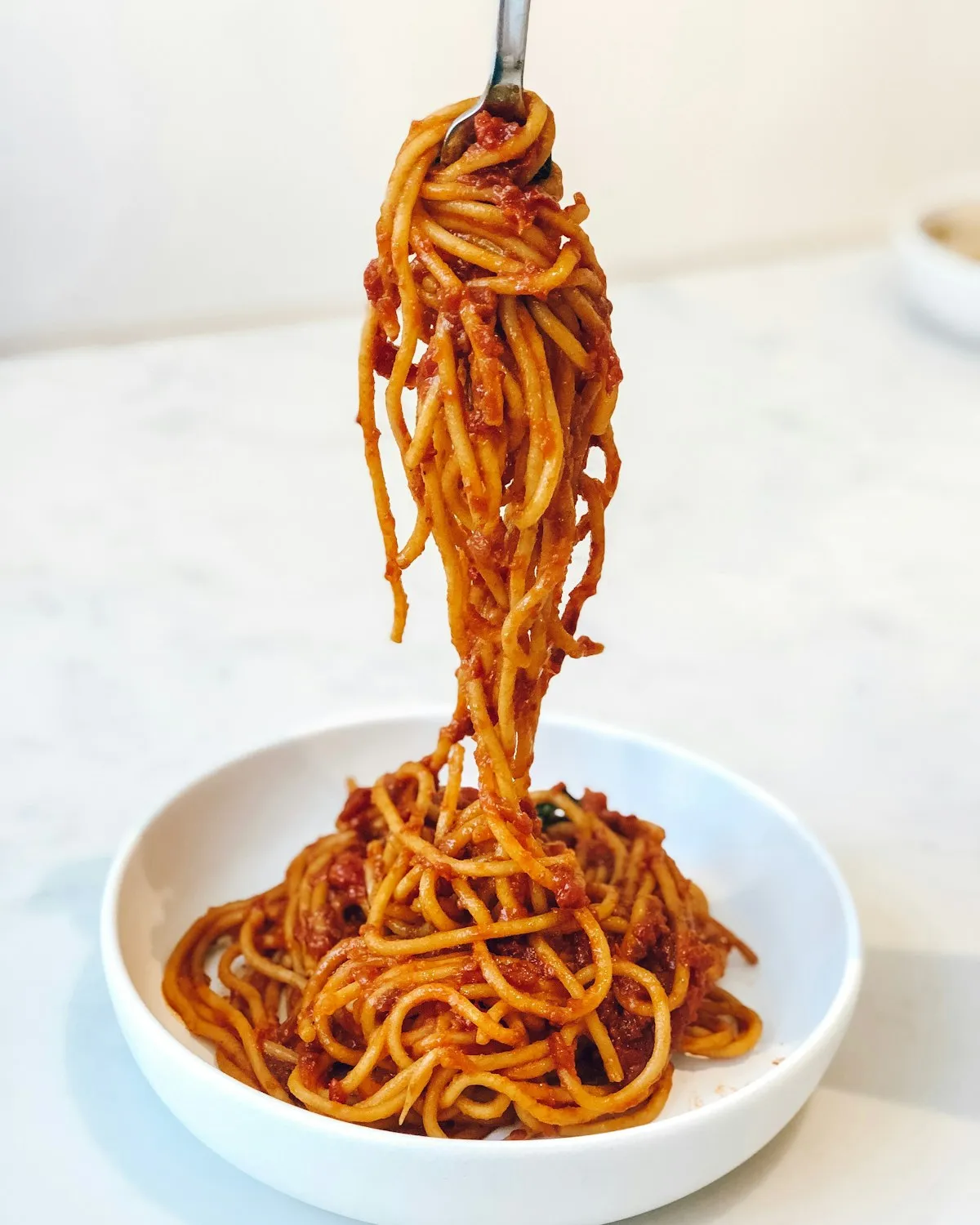
This starch acts as a natural emulsifier. In chemistry, an emulsion is a mixture of two liquids that would normally stay separate, like oil and water. In this pasta dish, the fat from the Parmesan cheese and the butter needs to play nicely with the liquid base. Without that starch, the cheese would likely clump together into greasy balls, leaving you with a watery mess. But because the cooking liquid is saturated with pasta starch, it creates a bridge between the fats and the liquids. This results in a sauce that is naturally thick, glossy, and perfectly clings to every single strand of pasta. It’s a total game-changer for anyone looking for healthy dinner ideas that don’t rely on heavy, processed thickeners.
Expert Tips for a Glossy Finish
To truly master the starch emulsion, you have to be mindful of your cheese. One of the biggest mistakes I see people make is reaching for a bag of pre-shredded cheese. While convenient, those bags are filled with anti-caking agents like potato starch or cellulose. These powders are designed to keep the cheese from sticking in the bag, but they will also prevent it from melting smoothly into your sauce, resulting in a grainy texture. Always grate your Parmesan fresh from a block. I like to use a microplane to get very fine wisps that melt almost instantly upon contact with the heat.
Temperature management is the second pillar of success. If your pan is boiling aggressively when you add the cheese, the proteins in the dairy will denature and seize up. This is how you end up with “broken” sauces. I always pull the pan off the heat entirely and let the bubbling subside for about thirty seconds before I even think about adding the cheese. You want to rely on the residual heat of the pasta and the liquid to gently melt the Parmesan. Adding the cheese in small batches: sprinkling a bit, stirring until incorporated, then repeating: ensures that the emulsion remains stable and the sauce stays silky smooth.
Another pro tip involves your liquids. If you find your pan is looking a little dry before the pasta is fully cooked, don’t just splash in cold water from the tap. Keep a bit of extra warm broth or milk on standby. Adding cold liquid can shock the starch and drop the temperature too quickly, which messes with the cooking time of the noodles. You want a consistent, gentle simmer to keep those starch molecules active and ready to work their magic.
Delicious Variations to Try
While the garlic and Parmesan base is a classic, the beauty of this method is how easily it adapts to different cravings. If you’re hunting for healthy dinner ideas that incorporate more greens, I love throwing in a few handfuls of fresh baby spinach during the last two minutes of cooking. The steam from the pasta wilts the spinach perfectly without overcooking it, adding a pop of colour and a boost of nutrients.
For those who want a bit of protein, sliced grilled chicken or sautéed shrimp can be tossed in right at the end. Because the sauce is so flavourful, the protein doesn’t need much seasoning of its own; it just picks up that beautiful garlic-infused emulsion. If you prefer a bit of heat, blooming some red pepper flakes in the oil with the garlic at the very beginning of the process will infuse the entire dish with a subtle, building warmth. You could even swap the Parmesan for a sharp Pecorino Romano if you want a saltier, tangier profile that cuts through the creaminess.
Perfect Side Dish Pairings
Even though this is technically a “one-pan” meal, I usually like to round it out with a simple side to balance the richness of the pasta. A crisp, acidic green salad is the perfect counterpoint. I usually go for a mix of arugula and radicchio tossed in a sharp lemon vinaigrette. The acidity of the lemon helps to “cut” through the fat of the Parmesan sauce, refreshing your palate between bites.
If you’re leaning into the comfort food recipes easy vibe, a tray of roasted Mediterranean vegetables is a great shout. Zucchini, bell peppers, and red onions roasted with a bit of balsamic vinegar provide a sweetness and texture that complements the soft pasta. A crusty loaf of sourdough is also a classic choice: perfect for mopping up any leftover emulsion at the bottom of the bowl.
Frequently Asked Questions
Why did my sauce turn out clumpy or grainy?
This almost always comes down to two things: pre-shredded cheese or too much heat. The anti-caking agents in bagged cheese prevent a smooth melt. Additionally, if the sauce is boiling when the cheese is added, the cheese “shocks” and the proteins tighten into clumps. Always use block cheese and add it off the heat.
Can I use whole wheat or gluten-free pasta?
You certainly can, but keep in mind that the starch content varies. Whole wheat pasta often takes longer to cook and may require more liquid. Gluten-free pastas, particularly those made from brown rice, can be very starchy, which is great for the emulsion, but they can also go from “al dente” to “mushy” very quickly. Keep a close eye on the texture during the final few minutes.
Is this dish suitable for meal prep?
One-pan pastas are best enjoyed immediately because the starch emulsion continues to thicken as it cools. If you do have leftovers, the pasta will likely soak up all the sauce. To reheat, add a small splash of milk or broth and heat gently on the stove, stirring constantly to re-emulsify the sauce.
What if my sauce is too thin?
If your pasta is cooked but the sauce still looks like soup, don’t panic. Take the pan off the heat and let it sit for two or three minutes. As the temperature drops slightly and the starch begins to set, the sauce will naturally thicken. Adding your freshly grated Parmesan at this stage will also provide a significant thickening boost.
How can I make this a more healthy dinner idea?
To lighten things up, you can replace a portion of the milk with more vegetable broth or even use a low-fat milk alternative. Adding a high volume of vegetables like broccoli florets, peas, or kale will also increase the fibre and nutrient density of the meal without sacrificing that comforting, creamy mouthfeel.
This one-pan technique is a fundamental skill that makes quick family meals feel like a luxury. Once you understand how starch and fat interact, you’ll never look at a pot of boiling water the same way again! Feel free to explore more cooking tips on the blog.