Recipe
Servings
Servings 1×
Ingredients
- Chicken
- Shrimp
- Penne
- Pasta
- Noodles
- Broccoli
- Asparagus
- Spinach
- Tomatoes
- Garlic
- Lemon
- Cream
- Hard cheese
- Cooking oil
- Chili seasoning
- Salt
- Black pepper
Method
- Stir frequently, especially during the first few minutes.
- Use oil-packed sun-dried tomatoes for this recipe.
- Finish the dish by stirring in your cream and cheese off the heat.
- Toss the veggies in olive oil, salt, and a pinch of garlic powder, then blast them at 400°F (200°C) for 8 minutes while your pasta simmers.
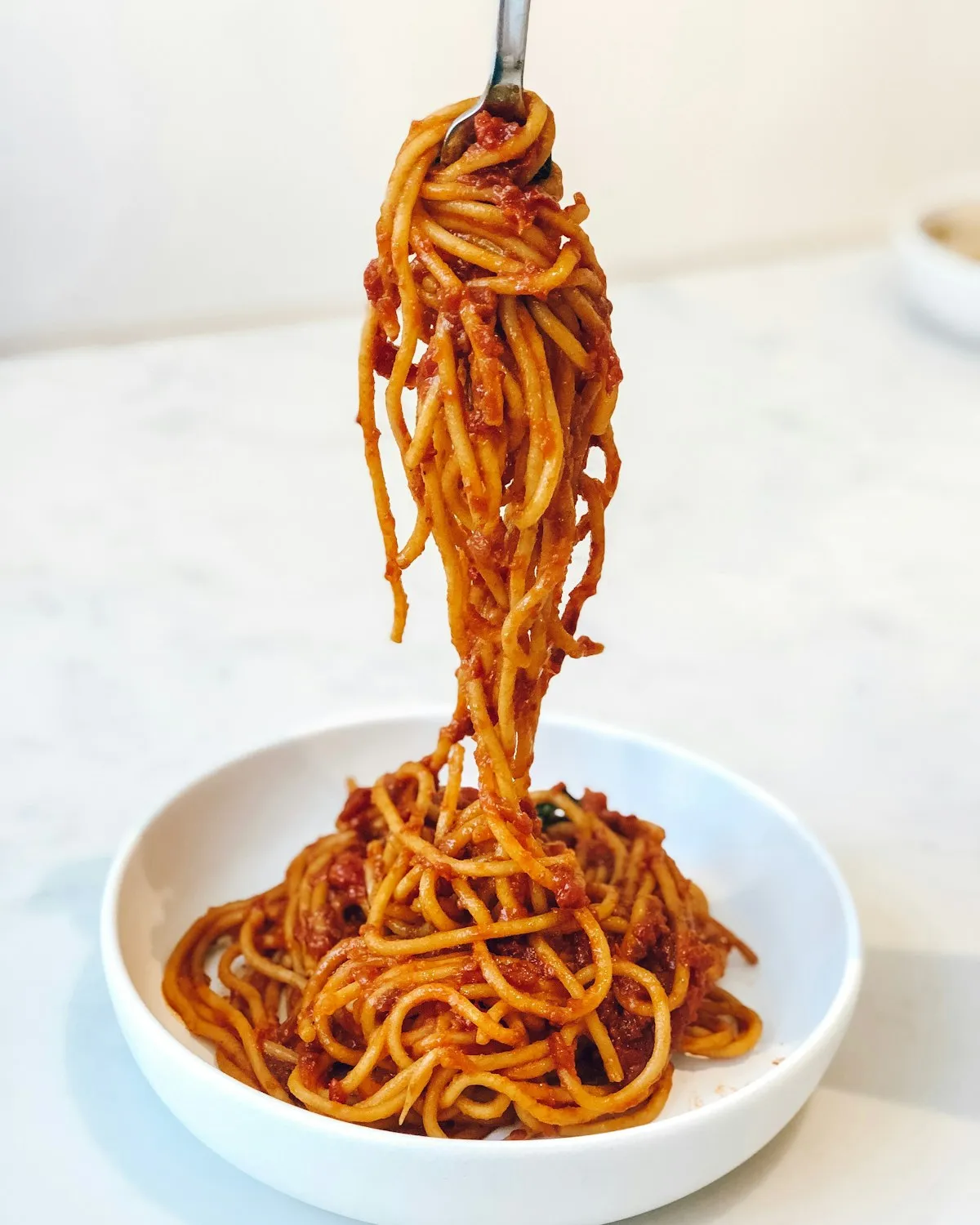
If you have fifteen minutes and a single pot, you have a gourmet dinner. I’m not exaggerating. My one-pot creamy sun-dried tomato pasta is the ultimate solution for those nights when the clock is ticking and your brain is fried. It’s the king of quick family meals because it cuts out the extra dishes while delivering a sauce so silky you’d swear it took hours to simmer. Forget boiling a massive vat of water; we’re using the starch to our advantage to create a restaurant-quality emulsion in record time.
The Science of the One-Pot Emulsion
The secret to this dish isn't magic; it’s chemistry. In traditional pasta cooking, you boil the noodles in a gallon of water and then dump all that precious starch down the drain. What a waste! When you use the one-pot method, you cook the pasta in a minimal amount of liquid, just enough to cover it. As the pasta hydrates, it releases amylopectin and amylose (starch molecules) into the liquid. This turns your cooking water into a thick, cloudy "liquid gold" that acts as a powerful emulsifier.
Emulsification is the process of binding two ingredients that normally hate each other: fat and water. By keeping the starch in the pot, you provide a bridge that allows the heavy cream, parmesan, and the oil from the sun-dried tomatoes to fuse with the water into a glossy, cohesive sauce. Without that starch, the fat would just slide off the noodles and pool at the bottom of your bowl. Stir frequently, especially during the first few minutes. This prevents the noodles from clumping together as they release their initial burst of surface starch.
Use oil-packed sun-dried tomatoes for this recipe. Why? Because that oil is infused with concentrated tomato flavor and provides the essential fat phase for your emulsion. Sauté your aromatics, garlic, shallots, and chili flakes, directly in a tablespoon of that reddish tomato oil. It builds a foundation of flavor that coats every single strand of pasta. Aim for a short pasta shape like fusilli or penne. These shapes have more surface area to grab onto the thickened sauce, ensuring you get a hit of creamy tomato goodness in every bite.
Control your heat throughout the process. Maintain a steady, gentle simmer rather than a violent boil. A hard boil can cause the emulsion to break, leading to a sauce that looks split or curdled. If the liquid evaporates too quickly before the pasta hits that perfect al dente bite, add hot water or broth a quarter-cup at a time. This keeps the starch concentration high while ensuring the noodles finish cooking. Finish the dish by stirring in your cream and cheese off the heat. The residual warmth is enough to melt the cheese into the starchy liquid without the risk of the proteins seizing and turning grainy.
Flavor Variations to Keep It Fresh
While the creamy sun-dried tomato base is a classic, you can easily pivot this into other healthy dinner ideas depending on what’s in your pantry. If you want a protein boost, toss in some pre-cooked rotisserie chicken or sautéed shrimp during the final two minutes of simmering. The residual heat will warm the protein through without overcooking it.
For a vegetarian twist with a bit of "bite," stir in two cups of fresh baby spinach at the very end. The leaves will wilt into the sauce within seconds, adding color and nutrients without changing the cook time. If you’re a fan of heat, increase the red pepper flakes or add a spoonful of Calabrian chili paste to the initial sauté. The acidity of the sun-dried tomatoes balances beautifully against spicy elements. To lean into a more Mediterranean profile, add a tablespoon of drained capers and some kalamata olives. The brine cuts through the richness of the cream, providing a sharp contrast that keeps the palate interested.
Perfect Side Dish Pairings
Even a 15-minute masterpiece needs a companion. Since the pasta is rich and creamy, you want a side dish that offers acidity and crunch to cleanse the palate. A simple arugula salad with a sharp lemon vinaigrette is my go-to. The peppery bite of the greens and the citrus acid slice right through the heavy cream sauce.
If you have a few extra minutes, look into air fryer recipes dinner options for your sides. Air-fried asparagus or charred broccoli stalks provide a smoky, roasted flavor that complements the sweetness of the sun-dried tomatoes. Toss the veggies in olive oil, salt, and a pinch of garlic powder, then blast them at 400°F (200°C) for 8 minutes while your pasta simmers. The contrast between the soft, creamy noodles and the crispy, charred vegetables is elite.
Frequently Asked Questions
Why did my sauce turn out gummy instead of creamy?
Gummy pasta usually happens when you use too much starch for the amount of liquid, or if the heat was too high. If the liquid reduces too far, the starch becomes overly concentrated and "pastes" the noodles together. To fix this, simply stir in a splash of hot water or broth. The extra liquid will dilute the starch just enough to return it to a sauce-like consistency.
Can I use whole-wheat pasta for this?
Yes, but be careful. Whole-wheat pasta releases starch differently and often requires slightly more liquid and a few extra minutes of cook time. Check the texture frequently. If the pasta is still firm but the liquid is gone, add more broth immediately. The flavor profile of whole wheat also pairs exceptionally well with the earthy sweetness of sun-dried tomatoes.
What if I don't have heavy cream?
You can substitute heavy cream with full-fat coconut milk for a dairy-free version, or use a mix of milk and a tablespoon of butter. However, be warned: lower-fat milks are more prone to curdling in the presence of the acidic tomatoes. If using milk, stir it in at the very end with the heat turned completely off to minimize the risk of splitting.
How do I store and reheat one-pot pasta?
One-pot pasta is notorious for thickening up in the fridge as the starch continues to absorb moisture. Store it in an airtight container for up to three days. When reheating, add a splash of water or milk before microwaving or heating on the stove. This helps "revive" the emulsion and prevents the dish from being a dry, sticky clump.
Is it possible to overcook the sun-dried tomatoes?
Since we are using oil-packed tomatoes, they are already quite soft. Sautéing them briefly at the start helps release their fat-soluble flavors into the oil, but don't let them brown or char, as they can become bitter. Let them simmer with the pasta to fully integrate their flavor into the sauce base.
{“@type”:”BlogPosting”,”image”:”https://cdn.marblism.com/VN_UFOBZkpW.webp”,”author”:{“name”:”Penny”,”@type”:”Person”},”@context”:”https://schema.org”,”headline”:”15-Minute One Pot Creamy Sun-Dried Tomato Pasta”,”publisher”:{“logo”:{“url”:”https://cookpedia.com/logo.png”,”@type”:”ImageObject”},”name”:”Cookpedia”,”@type”:”Organization”},”description”:”A quick and delicious 15-minute one-pot creamy sun-dried tomato pasta recipe. Learn the science of starch emulsion for a perfect restaurant-quality sauce at home.”,”datePublished”:”2026-06-18″,”mainEntityOfPage”:{“@id”:”https://cookpedia.com/15-minute-one-pot-creamy-sun-dried-tomato-pasta”,”@type”:”WebPage”}}