Recipe
Servings
Servings 1×
Ingredients
- Pasta
- Noodles
- Broccoli
- Asparagus
- Spinach
- Garlic
- Lemon
- Hard cheese
- Cooking oil
Method
- Use a smaller pot than you think you need.
- Add a ladle of that cloudy liquid gold.
- Use tongs to swirl and toss the pasta vigorously over medium heat.
- Start your garlic and olive oil in a cold pan.
- Keep it light, keep it fresh, and let the garlic do the talking.
There is something profoundly soulful about a dish that relies on just three or four ingredients to do all the heavy lifting. When you’re staring at a half-empty pantry on a Tuesday night, Pasta Aglio e Olio is the friend that shows up with a bottle of wine and solves all your problems. It’s the ultimate minimalist masterpiece. We aren't talking about a complex Sunday gravy here; we’re talking about the art of the 15-minute pivot. In the time it takes for you to scroll through your phone looking for quick family meals, you could already be twirling a fork into a bowl of glossy, garlic-infused heaven. This isn't just fuel; it’s a mood.
The Physics of the Liquid Gold Emulsion
To the untrained eye, Aglio e Olio looks like pasta tossed in oil. If that’s what you’re eating, you’re doing it wrong. The secret to a "soulful" pasta lies in the science of the emulsion. You want a sauce that clings to the noodle like a silk robe, not a puddle of grease sitting at the bottom of the bowl. This magic happens through a starch-stabilized emulsion of olive oil and pasta water.
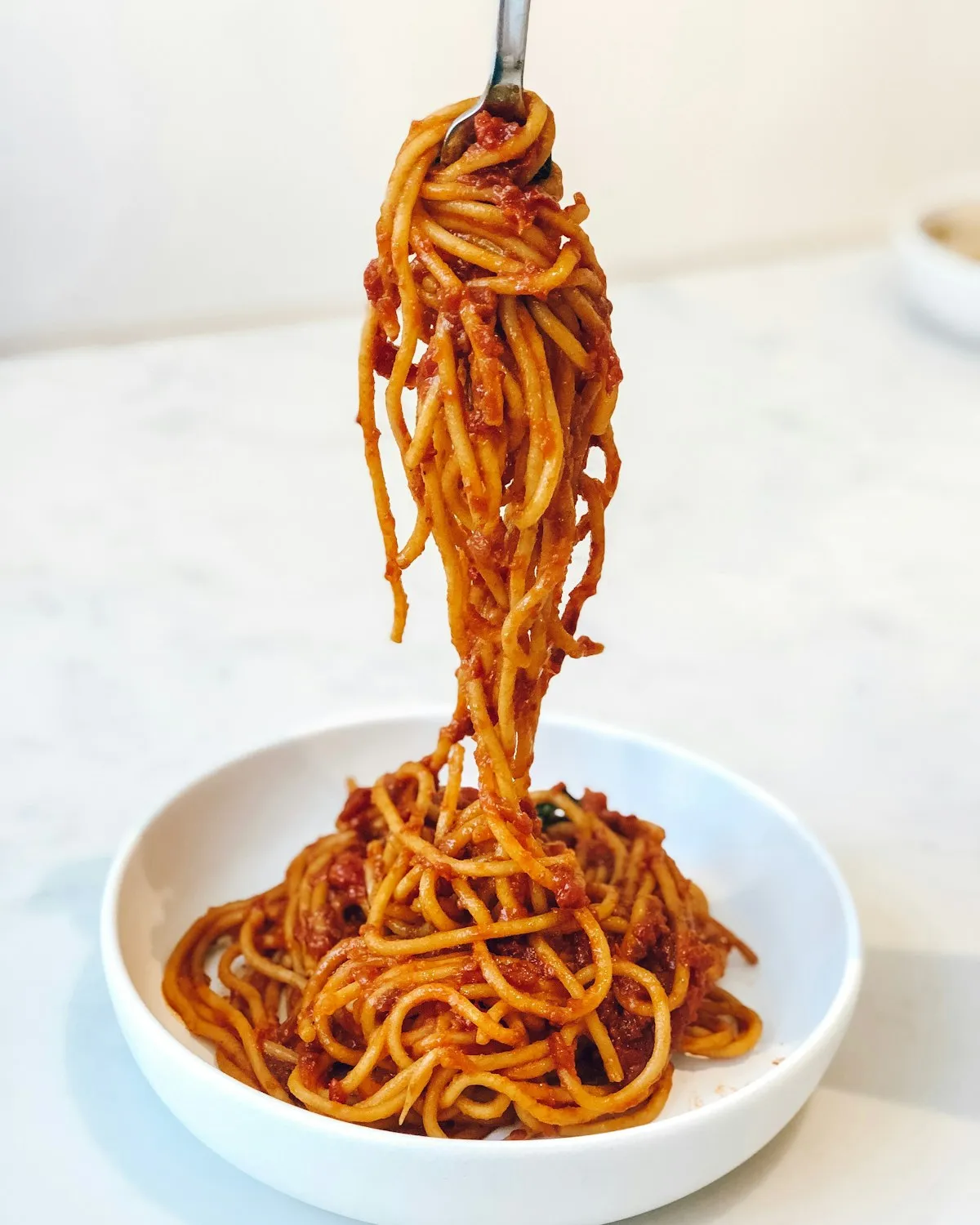
Use a smaller pot than you think you need. Why? Because we want the pasta water to be murky and thick with starch. Think of starch as the "glue" that allows fat (oil) and water to stop fighting and start dancing. When you cook your pasta in less water, the concentration of starch skyrockets. Once the pasta is about two minutes away from being al dente, move it to your pan with the garlic and oil. Add a ladle of that cloudy liquid gold.
Now, here is the non-negotiable part: you must agitate the pan. Use tongs to swirl and toss the pasta vigorously over medium heat. This mechanical action breaks the olive oil into tiny droplets while the starch molecules coat them, preventing them from grouping back together. If it looks a bit dry, add more water. If it looks like a soup, keep tossing until the liquid reduces into a creamy, opaque glaze. Much like my lazy girl one-pan cacio e pepe, the magic is in the friction.
The second pillar of this dish is the garlic. Garlic behavior is entirely dependent on temperature. Start your garlic and olive oil in a cold pan. This "cold start" method allows the garlic to gently release its essential oils into the fat as the temperature rises. If you drop garlic into a screaming hot pan, the outside chars instantly, becoming bitter and acrid, while the inside remains raw. You want "blonde" garlic, golden, nutty, and sweet. Avoid the dark brown; that’s where the soul leaves the dish and bitterness takes over.
Flavor Profiles and Textural Variations
While the classic version is a purist’s dream, sometimes your soul needs a little extra noise. If you want to lean into the umami, melt a couple of anchovy fillets into the oil alongside the garlic. They will dissolve completely, leaving behind a deep, savory backbone that most people won't even recognize as fish. It just tastes "more."
For those who crave a bit of crunch, toasted breadcrumbs (Pangrattato) are the poor man’s parmesan. Sauté some coarse breadcrumbs in a little olive oil until they are deep mahogany and sprinkle them over the top right before serving. This provides a necessary textural contrast to the soft, slippery noodles.
If you’re looking for healthy dinner ideas that don't feel like a sacrifice, try adding a massive handful of baby spinach or arugula to the pan at the very last second. The residual heat will wilt the greens just enough to make them part of the sauce without turning them into mush. A squeeze of fresh lemon juice at the end can also cut through the richness of the oil, brightening the entire profile. It’s a simple trick that elevates the dish from a "pantry meal" to something you’d serve at a dinner party.
Balancing the Plate: Side Dish Pairings
Because Aglio e Olio is fundamentally a fat-and-carb-forward dish, your side dishes need to provide balance. Think acidity and bitterness. A simple arugula salad with a sharp lemon vinaigrette is the classic choice. The peppery bite of the greens cuts right through the olive oil, cleansing your palate between bites of pasta.
Alternatively, consider charred broccolini or roasted asparagus. You can even throw these into your basket if you're experimenting with air fryer recipes dinner while your pasta water boils. The slight char on the vegetables adds a smoky dimension that complements the toasted garlic. Avoid anything too heavy or creamy on the side; you want the pasta to be the star, and a heavy side dish will just leave you feeling weighed down. Keep it light, keep it fresh, and let the garlic do the talking.
Frequently Asked Questions
Why is my pasta oily and not creamy?
This is the most common heartbreak in Italian cooking. It happens because the emulsion failed. Usually, it’s because you didn't use enough pasta water or the water wasn't starchy enough. Next time, cook the pasta in less water and make sure you’re tossing the pasta in the pan like you're trying to win a marathon. That movement is what creates the sauce.
Can I use jarred minced garlic?
Absolutely not. Put the jar back. Jarred garlic is stored in citric acid, which completely alters its flavor and prevents it from mellowing out in the oil. For Aglio e Olio, the garlic is the main event. Slice fresh cloves as thinly as possible. If you can’t see the knife blade through the garlic slice, keep practicing.
Is it okay to add parmesan cheese?
In Italy, adding cheese to Aglio e Olio is often seen as a crime, but in your kitchen, you’re the boss. Just know that the cheese will compete with the delicate garlic flavor. If you must add it, use a high-quality Pecorino Romano for a salty kick, but wait until the very end so it doesn't clump in the emulsion.
My garlic turned brown instantly. What happened?
Your pan was too hot. Always start the garlic in room-temperature oil. If the oil is already shimmering when the garlic hits, it’s too late. The goal is a slow, gentle bubble, not a violent sizzle. If you burn it, throw it out and start over. It takes three minutes; don't ruin the whole meal over three minutes of impatience.
Can I make this gluten-free?
Yes, but be warned: gluten-free pasta releases a different kind of starch. You might find the emulsion is a bit more temperamental. Use a high-quality bronze-cut gluten-free pasta (which has a rougher surface) to help the sauce cling, and don't be afraid to add a tiny knob of butter at the end to help the sauce stay together. It’s a trick I often use in the viral garlic butter ramen hack to ensure a silky finish every time.
How do I reheat leftovers?
Pasta Aglio e Olio is best eaten immediately, but if you have leftovers, don't use the microwave. It will just turn the oil into a greasy mess. Instead, put it back in a skillet with a splash of water and toss it over medium heat until the emulsion reforms and the pasta is warmed through.
{“@type”:”BlogPosting”,”image”:[“https://cdn.marblism.com/o7hGxcgKPrW.webp”,”https://cdn.marblism.com/LXhzsTs6-7c.webp”,”https://cdn.marblism.com/92fKel-dII_.webp”,”https://cdn.marblism.com/SnMf5S1F3Y7.webp”],”author”:{“url”:”https://cookpedia.com”,”name”:”Penny”,”@type”:”Person”},”@context”:”https://schema.org”,”headline”:”15-Minute Soulful Simple Pasta Aglio e Olio”,”publisher”:{“logo”:{“url”:”https://cookpedia.com/logo.png”,”@type”:”ImageObject”},”name”:”Cookpedia”,”@type”:”Organization”},”mainEntity”:{“@type”:”FAQPage”,”mainEntity”:[{“name”:”Why is my pasta oily and not creamy?”,”@type”:”Question”,”acceptedAnswer”:{“text”:”The emulsion failed due to lack of starchy pasta water or insufficient agitation. Use less water to boil the pasta and toss vigorously in the pan.”,”@type”:”Answer”}},{“name”:”Can I use jarred minced garlic?”,”@type”:”Question”,”acceptedAnswer”:{“text”:”No. Jarred garlic contains preservatives that ruin the flavor profile. Freshly sliced garlic is essential.”,”@type”:”Answer”}},{“name”:”My garlic turned brown instantly. What happened?”,”@type”:”Question”,”acceptedAnswer”:{“text”:”The pan was too hot. Always start garlic in cold oil to allow for a gentle infusion without burning.”,”@type”:”Answer”}}]},”description”:”Master the art of the 15-minute Pasta Aglio e Olio. Learn the science of starch-stabilized emulsions and the ‘cold start’ garlic technique for a soulful, minimalist meal.”,”datePublished”:”2026-06-18″,”mainEntityOfPage”:{“@id”:”https://cookpedia.com/15-minute-pasta-aglio-e-olio”,”@type”:”WebPage”}}