Recipe
Servings
Servings 1×
Ingredients
- Chicken
- Garlic
- Fresh ginger
- Lime
- Honey
- Soy sauce or tamari
- Black pepper
Method
- Start with bone-in, skin-on thighs if you want maximum flavor, or boneless if you’re strictly sticking to that 15-minute window.
- Pat the chicken skin bone-dry with paper towels.
- Use a heavy skillet, cast iron is king here because it retains heat like a pro, and get it hot before the chicken even touches the surface.
- Use medium heat at this stage to maintain control.
You know those nights when the clock is ticking, the fridge looks uninspiring, and the temptation to order takeout is reaching a fever pitch? We’ve all been there. That’s why I’m obsessed with this one-pot wonder. It’s the ultimate solution for anyone hunting for quick family meals that actually taste like they took hours of effort. By focusing on a few high-impact ingredients and one reliable pan, you can transform humble chicken thighs into a soulful, sticky masterpiece in just 15 minutes. This is minimalist cooking at its absolute best, high reward, zero stress, and barely any cleanup.
The Chemistry of the Perfect Sear: Maillard and Moisture
If you want your kitchen to smell like a five-star bistro, you need to understand the Maillard reaction. This isn't just fancy chef-speak; it’s the chemical dance between amino acids and reducing sugars that happens when meat hits a hot pan. This reaction is what creates those deep, savory, "roasted" flavors and that gorgeous mahogany crust. For this specific dish, mastering the sear is your non-negotiable step.
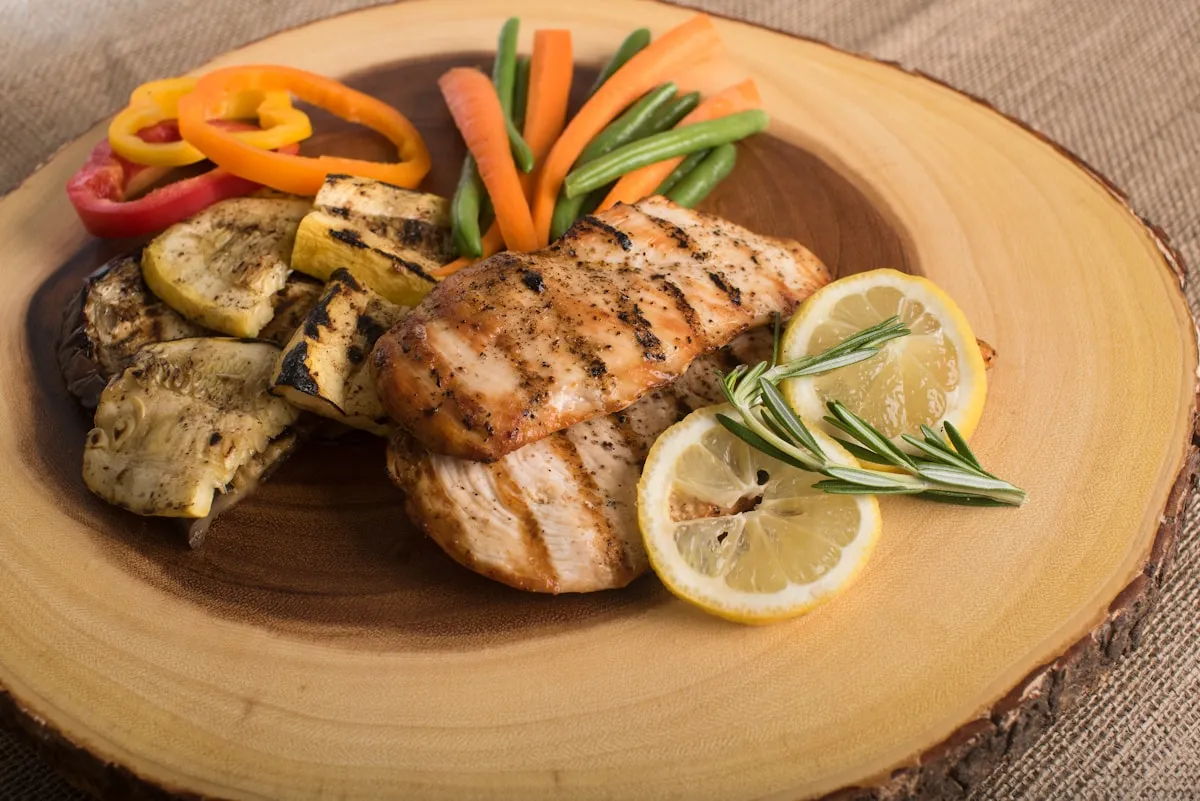
Start with bone-in, skin-on thighs if you want maximum flavor, or boneless if you’re strictly sticking to that 15-minute window. Pat the chicken skin bone-dry with paper towels. I cannot stress this enough: moisture is the enemy of the Maillard reaction. If the surface is wet, the energy from your pan goes into evaporating water (steaming) rather than browning. Use a heavy skillet, cast iron is king here because it retains heat like a pro, and get it hot before the chicken even touches the surface.
Listen for the sizzle. If it doesn’t scream when it hits the pan, it’s not hot enough. Once they’re in, leave them alone! Resist the urge to poke, prod, or flip too early. You want that skin to develop a structural, golden-brown shield. This foundation of flavor is what separates a "meh" dinner from a soulful meal. While we love a good 10-minute meal, taking those extra few minutes to let the sear happen is the secret to success.
Now, let’s talk glaze. The science of a honey-garlic sauce lies in caramelization and reduction. Honey is a complex sugar that burns much faster than meat proteins. This is why we add the glaze toward the end of the cooking process. If you toss it in at the start, you’ll end up with a bitter, charred mess before the chicken is even safe to eat. By adding the honey, soy, and garlic once the chicken is nearly done, the sugars bubble and reduce into a thick, syrupy glaze that clings to the meat without scorching. Use medium heat at this stage to maintain control. You’re looking for a "nappe" consistency, thick enough to coat the back of a spoon.
Flavor Variations: Making the Recipe Your Own
While the classic honey-garlic profile is a crowd-pleaser for healthy dinner ideas, don't be afraid to experiment with the balance of acidity and heat. Cooking is about intuition, and this recipe is the perfect canvas for it.
- The "Swicy" Twist: If you like a bit of a kick, add a teaspoon of red pepper flakes or a squeeze of Sriracha to the sauce. The heat cuts through the sweetness of the honey beautifully, creating a more complex profile.
- Citrus Brightness: Swap the splash of water or broth for fresh orange juice or lime juice. The citric acid acts as a natural tenderizer and provides a high-note contrast to the salty soy sauce.
- The Ginger Punch: Grate about a tablespoon of fresh ginger into the garlic. Ginger contains enzymes that help soften meat fibers, and its peppery bite is the natural partner to honey.
- Low-Carb Adjustments: If you’re leaning into keto or low-carb lifestyles, you can substitute the honey for a sugar-free maple-style syrup or even a brown sugar replacement. Just keep a close eye on it, as sugar substitutes behave differently under high heat.
Whether you're looking for one-pot meals or just a new way to spice up your rotation, these tweaks ensure you never get bored.
Side Dish Pairings: Balancing the Richness
Because the honey-garlic glaze is intensely sweet and savory, your sides should focus on freshness and acidity to keep the plate balanced. You don't want a "heavy on heavy" situation.
A simple bed of jasmine rice is the classic choice because it acts like a sponge for that liquid gold sauce. However, if you want something lighter, a zesty cucumber salad with rice vinegar and sesame oil provides a cooling crunch that cleanses the palate between bites. Steamed broccoli or snap peas are also fantastic; their natural bitterness and snap provide a much-needed counterpoint to the richness of the chicken fat and the stickiness of the honey.
If you’re in a rush and need more 15-minute meals, you can even toss some asparagus directly into the pan during the last few minutes of glazing. They’ll pick up the flavor of the garlic and honey while staying crisp-tender.
FAQ: Mastering the "What Ifs"
What if my honey garlic sauce is too thin?
Don't panic. Simmer it for an extra 2–3 minutes on medium heat. As the water evaporates, the sugars in the honey will naturally thicken. If you’re really in a hurry, a tiny slurry of cornstarch and water (about half a teaspoon of each) stirred in will tighten the sauce instantly.
Can I make this in an air fryer?
Absolutely! While this is a stovetop one-pot staple, searching for air fryer recipes dinner versions is common. You can air fry the thighs at 400°F (200°C) until crispy, then toss them in a bowl with the pre-simmered glaze. It’s a great way to get that crunch without the stovetop cleanup.
Why does my garlic taste bitter?
You likely burnt it. Garlic is delicate and has a very low burn point. Ensure you only sauté the garlic until it's fragrant (about 30–60 seconds) before adding your liquids (soy, honey, broth). The liquid stops the frying process and protects the garlic from over-browning.
What if I only have chicken breasts?
You can use them, but be careful! Breasts have significantly less fat and connective tissue than thighs, meaning they go from "perfect" to "shoe leather" in a matter of seconds. Slice them into even strips and reduce your cooking time to avoid drying them out. Thighs are much more forgiving for home cooks.
Can I use maple syrup instead of honey?
Yes, but the flavor will be earthier and less floral. Maple syrup is also thinner than honey, so you may need to reduce the sauce for an extra minute or two to get that same sticky "cling" factor.
For more inspiration on chicken recipes or to find your next favorite dinner, keep exploring our library of simple, soulful food.
{“@type”:”BlogPosting”,”image”:”https://cdn.marblism.com/7fu3VD0g9a2.webp”,”author”:{“name”:”Penny”,”@type”:”Person”},”@context”:”https://schema.org”,”headline”:”15-Minute One Pot Honey Garlic Chicken Thighs: Minimalist & Soulful”,”publisher”:{“logo”:{“url”:”https://cookpedia.com/logo.png”,”@type”:”ImageObject”},”name”:”Cookpedia”,”@type”:”Organization”},”description”:”Discover the science behind the perfect 15-minute one-pot honey garlic chicken. Learn about the Maillard reaction, caramelization, and how to balance sweet and savory for a quick, healthy dinner.”,”datePublished”:”2026-06-26″,”mainEntityOfPage”:{“@id”:”https://cookpedia.com/15-minute-honey-garlic-chicken”,”@type”:”WebPage”}}