Recipe
Servings
Servings 1×
Ingredients
- Tortellini
- Pasta
- Eggs
- Pesto
- Hard cheese
- Cooking oil
Method
- Prepare the ingredients described in the article and heat the cooking surface or oven as directed.
- Cook the main ingredients using the heat and timing guidance in the article.
- Finish with the seasonings and garnishes named in the article, then serve.
If you have fifteen minutes, you have a gourmet dinner. This 15-Minute Pesto Tortellini is the ultimate "emergency" meal that doesn't taste like an emergency. It is one of those quick family meals that relies on high-quality ingredients and a few fundamental laws of physics to deliver a result that feels far more labor-intensive than it actually is. My kitchen is often a whirlwind, but this recipe is my calm in the storm.
The Molecular Magic of Emulsification and Buoyancy
To master this dish, you need to understand what is happening inside that pot and bowl. We aren't just "mixing" ingredients; we are managing structural changes at a microscopic level. Let’s look at the science of why your pasta floats and why your pesto stays creamy rather than turning into a puddle of oil.
The Physics of the Tortellini "Float Test"
You’ve likely heard that when stuffed pasta floats, it’s done. But why does it float? Raw tortellini is denser than water because of the tightly packed starch granules (amylose and amylopectin) in the dough. As the water reaches roughly 60°C (140°F), these granules begin to absorb water and swell: a process called gelatinization.
While the gel is less dense than the raw starch, the real secret to buoyancy is the air trapped within the dough. Most high-quality pasta dough uses eggs, which contain natural emulsifiers like lecithin that help trap tiny air pockets during the mixing process. As the filling heats up, it releases steam, which expands those pockets. When the combined density of the pasta, the filling, and the internal steam becomes less than the density of the boiling water, the tortellini rises. However, treat the "float" as a warning bell, not a timer. Once they float, they need another sixty to ninety seconds to ensure the starch is fully hydrated and the "tooth" of the pasta is tender.
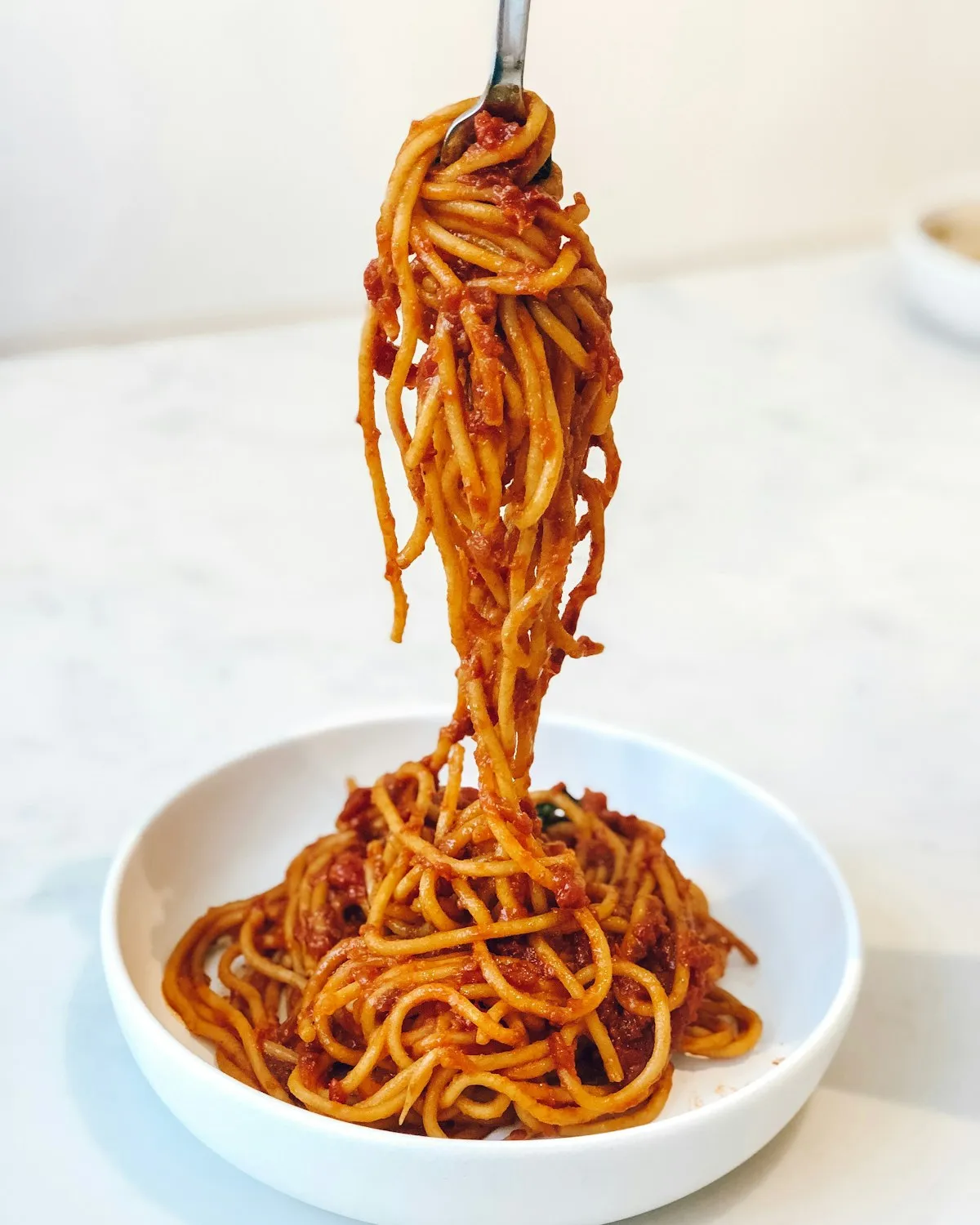
The Emulsification Science: Pesto's Secret Glue
Pesto is a "cold" sauce, meaning we aren't using heat to thicken it. Instead, we rely on a delicate emulsion. Pesto is essentially a battle between the water inside the basil leaves and the fats in the olive oil. These two do not like each other.
To force them into a truce, we use the casein protein found in Parmesan (or Pecorino) cheese. Casein is amphiphilic, meaning it has one end that loves water (polar) and one end that loves oil (non-polar). When you combine the finely grated cheese with the oil and basil, the casein acts as a bridge, surrounding the oil droplets and preventing them from merging back together.
Pro Tip: Avoid the high-speed blender if you want the best flavor. High-speed blades generate heat and can shear the olive oil so violently that it releases bitter polyphenols, ruining the delicate notes of the basil. If you must use a processor, pulse it quickly or use the traditional mortar and pestle method to maintain the structural integrity of the herbs.
The Power of Starch Water
Never dump your pasta water down the drain. As the tortellini boils, it sheds amylopectin into the water, creating a cloudy, starchy liquid. When you add a splash of this "liquid gold" to your pesto and pasta, the starch molecules physically get in between the oil and water, acting as a stabilizer. It helps the sauce grip the slippery surface of the pasta, ensuring every bite is coated in a velvety sheen rather than a greasy slick.
Variations for Every Palate
While the classic Genovese profile is hard to beat, the beauty of this technique is its adaptability. You can swap components as long as you maintain the balance of fat, acid, and salt.
- The Nut-Free Swap: If you’re dodging nuts, toasted sunflower seeds or even roasted chickpeas can provide that essential texture. They still offer the "grist" needed to help break down the basil leaves into a paste.
- Sun-Dried Tomato Pesto: If you want something richer, swap the basil for oil-packed sun-dried tomatoes. This version is more robust and pairs beautifully with a cheese-filled tortellini. The acidity in the tomatoes naturally cuts through the heavy fats of the cheese.
- Spicy Kale Pesto: For those looking for healthy dinner ideas with a kick, use blanched kale and a pinch of red pepper flakes. Kale has a stronger "green" flavor that stands up well to a heavy hand of garlic. It’s a great way to sneak more greens into a meal that feels indulgent.
- Vegan Adaptation: Swap the Parmesan for nutritional yeast and a handful of extra walnuts. You lose the casein protein, so you’ll need to rely more heavily on the "Pickering emulsion" created by the finely ground plant solids (cellulose) to keep the sauce together.
Side Dish Pairings: Balancing the Richness
Pesto tortellini is a rich, fat-forward dish. To make it a complete meal, you need to introduce acidity or a sharp, bitter contrast to cleanse the palate between bites.
- Arugula and Lemon Salad: A simple bed of baby arugula tossed with nothing but fresh lemon juice and sea salt is the perfect companion. The peppery notes of the arugula and the sharp citrus acid cut right through the olive oil and cheese.
- Air-Fried Asparagus: If you’re looking for more air fryer recipes dinner options, try a quick batch of asparagus. The high heat of the air fryer creates a slight char and a nutty flavor that mirrors the pine nuts in the pesto. Check out our Air Fryer Sausage and Pepper Medley for more ideas on using that appliance to round out your meals.
- Garlic Bread: If you aren't afraid of a carb-on-carb situation, a crusty piece of baguette rubbed with a raw garlic clove is classic. If you like experiments, my Garlic Butter Ramen Hack actually uses similar flavor profiles that work remarkably well as a side inspiration.
Frequently Asked Questions
Why did my pesto turn brown?
Oxidation is the enemy of basil. When you cut or crush the leaves, you expose an enzyme called polyphenol oxidase to oxygen, which turns the leaves brown (much like an apple). To prevent this, ensure your basil is dry before processing, and try to minimize the time between making the sauce and eating it. Some people blanch their basil for five seconds in boiling water and then shock it in ice water to "set" the green color, but for a 15-minute meal, just work fast and serve immediately.
Can I use frozen tortellini?
Absolutely. The science remains the same. Frozen tortellini will take a few minutes longer to reach the "float" stage because the core temperature starts much lower, but the gelatinization and buoyancy rules still apply. Avoid over-stirring frozen pasta while it's still hard, as the brittle edges can snap off, leaking the filling into your water.
My sauce is too thin/thick. How do I fix it?
If it's too thin, you likely added too much pasta water too quickly. Add a bit more grated cheese to help bind the excess liquid. If it's too thick and clumpy, add the pasta water one tablespoon at a time. The heat and starch will relax the proteins in the cheese and the fats in the oil, making it move more like a sauce and less like a paste.
Can I make this in an air fryer?
While you can't boil the pasta in an air fryer, you can certainly "roast" pre-cooked or fresh tortellini for a crunchy version. It’s similar to the method used in our Kielbasa Pierogi Air Fryer Roast. However, for this specific pesto recipe, the boiling method is superior because it provides the starch water needed for that perfect emulsion.
How do I store leftovers?
Pesto tortellini is best eaten fresh. If you must store it, do so in an airtight container with a thin layer of olive oil on top to minimize oxygen contact. When reheating, avoid the microwave if possible, as it can "split" the oil. Instead, toss it in a pan over low heat with a tiny splash of water to bring the emulsion back to life.
This dish proves that you don't need hours to create something soulful. By respecting the simple chemistry of your ingredients, you can turn a few pantry staples into a dinner that rivals your favorite Italian bistro. Enjoy the process, and don't forget to save that pasta water!