Recipe
Servings
Servings 1×
Ingredients
- Chicken
- Tortellini
- Pasta
- Broccoli
- Tomatoes
- Garlic
- Lemon
- Balsamic vinegar
- Pesto
- Hard cheese
- Butter
- Cooking oil
- Salt
Method
- Use this liquid as your thermal buffer.
- Keep your basil volatiles in check.
- Toss it at the very last second to preserve those delicate, heat-sensitive aromas.
- Let the residual heat of the pasta and the starch water do the work.
- Use a consistent variety in your pan to ensure they all reach the "burst" stage at the same time.
- Keep your focus on speed and precision, and you'll never settle for a mediocre weeknight meal again.
Cooking isn’t just about putting fire to food; it’s about managing a series of complex chemical reactions within a tight 15-minute window. If you think great pasta requires hours over a stove, you’re looking at the physics all wrong. This pesto tortellini is a masterclass in high-efficiency kitchen engineering. By understanding how starch molecules interact with fat and how thermal energy transforms a simple tomato, you can deliver a restaurant-grade experience faster than you can order a pizza. This is one of those quick family meals that relies on science rather than labor to reach its peak.
The Molecular Dynamics of Pesto and Heat
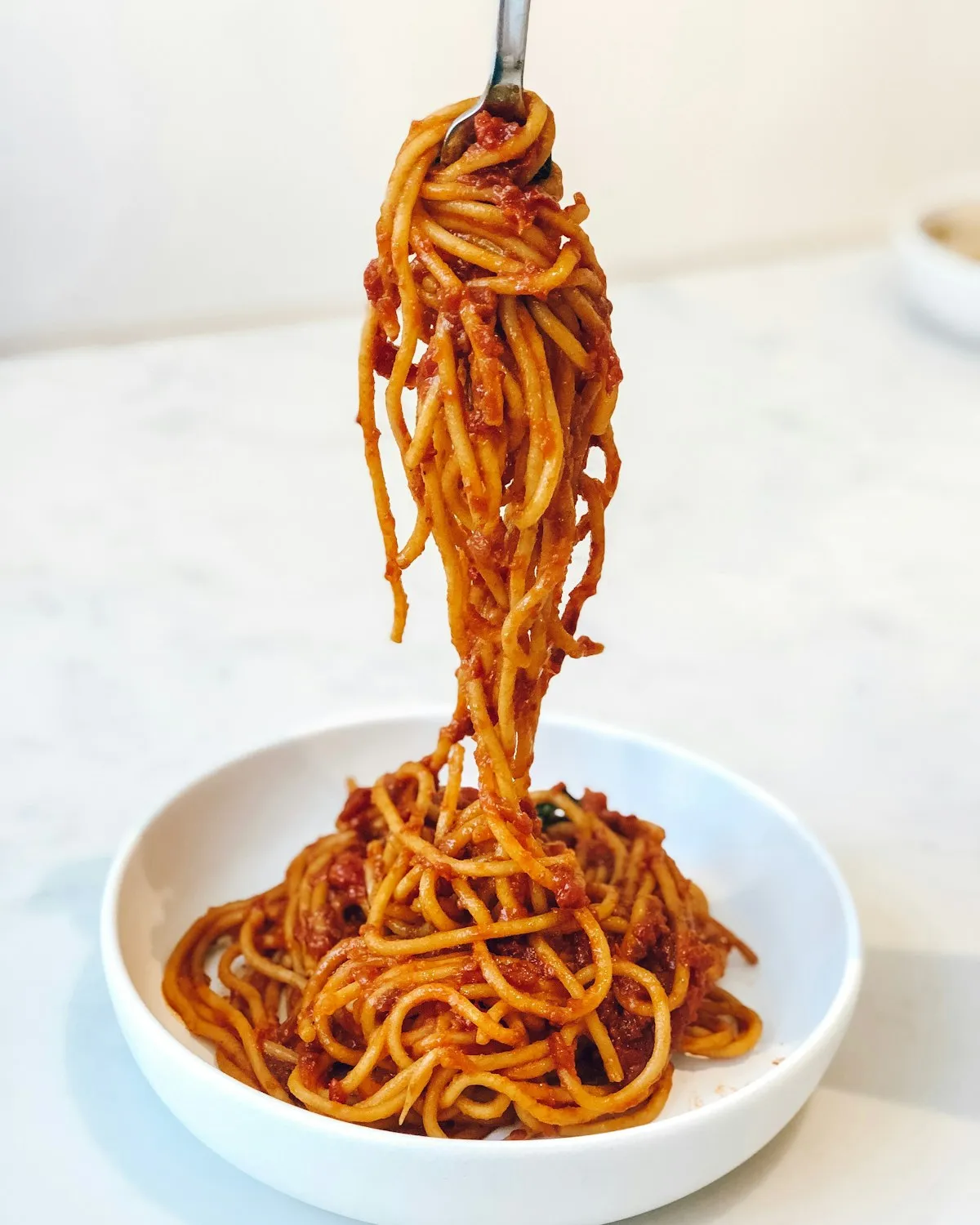
To master this dish, you have to stop thinking of pesto as a sauce and start seeing it as a Pickering emulsion. In a standard emulsion like mayo, you use an emulsifier like lecithin to bridge oil and water. Pesto is different. It’s a suspension of solid particles: basil fibers, nut fragments, and cheese crystals: that sit at the interface between the olive oil and the water phase. These solids "lock" the oil droplets in place, creating that thick, creamy texture we crave.
When you introduce this emulsion to hot pasta, you face a risk of "breaking" the sauce. If the temperature exceeds the stability point of the cheese proteins, the fat will separate, leaving you with a greasy puddle. To prevent this, leverage your pasta water. The liquid left behind after boiling tortellini is a concentrated solution of gelatinized starch. Use this liquid as your thermal buffer. The starch granules act as secondary stabilizers, surrounding the oil droplets from the pesto and preventing them from coalescing. Always reserve at least half a cup of this liquid; it’s the difference between a broken sauce and a glossy, cohesive coat.
Then, there’s the matter of the cherry tomatoes. Blistering them is an exercise in rapid thermal degradation. As the tomatoes hit a high-heat skillet, the water inside turns to steam, creating internal pressure against the skin. This steam softens the pectin in the cell walls, causing the tomato to "pop." This isn't just for show. This process concentrates the sugars through evaporation and initiates mild caramelization on the skin, transforming the raw, acidic profile into a complex, savory umami bomb. Unlike many healthy dinner ideas that trade flavor for speed, this technique uses heat to synthesize new aromatic compounds in seconds.
Keep your basil volatiles in check. Basil contains enzymes called polyphenol oxidases. When you bruise or chop the leaves, these enzymes react with oxygen, turning your vibrant green pesto into a dull brown. If you’re making your pesto from scratch, add a pinch of ascorbic acid (vitamin C) or a squeeze of lemon to inhibit this oxidation. If using store-bought, avoid over-processing it with the hot pasta. Toss it at the very last second to preserve those delicate, heat-sensitive aromas.
Engineering the Flavor Profile: Variations
Achieving a balanced dish requires you to manipulate the three pillars of taste: fat, acidity, and salt. The base pesto is heavy on lipids from the olive oil, pine nuts, and parmesan. To prevent the palate from becoming fatigued, you must introduce a counter-acid. While the blistered tomatoes provide some citric and malic acid, you can heighten this by adding a splash of fresh lemon juice or a high-quality white balsamic vinegar at the finish. This acidity "cuts" the fat, making each bite feel lighter and more refreshed.
For a texture-based variation, consider the "crunch factor." Pesto is naturally soft, and tortellini is pillowy. Introduce a structural contrast by adding toasted pine nuts or even a handful of panko breadcrumbs toasted in garlic butter. This creates a sensory contrast known as "mouthfeel diversity," which makes the meal more satisfying. If you're looking for more robust proteins, seared chicken breast or even sliced Italian sausage can be integrated. While we often think of air fryer recipes dinner for these additions, a simple sear in the same pan used for the tomatoes preserves the fond (those tasty browned bits), which then deglazes into your pasta sauce.
Strategic Side Dish Pairings
A rich, emulsified pasta dish demands a side that provides both bitterness and high-fiber contrast. An arugula salad is the scientifically superior choice here. Arugula contains glucosinolates, which provide a sharp, peppery bite. This bitterness acts as a palate cleanser against the fatty, cheesy pesto. Avoid heavy dressings; a simple emulsion of lemon juice and extra virgin olive oil is all you need to maintain the balance.
Alternatively, consider charred broccolini. The charring process (the Maillard reaction) introduces smoky notes that complement the roasted flavor of the blistered tomatoes. Because the tortellini is high in refined carbohydrates, a fibrous green side dish slows down the glucose absorption, preventing the "food coma" often associated with heavy pasta meals. Focus on maintaining the crunch of the vegetables; overcooking them into mush will ruin the textural contrast you’ve worked so hard to build in the main dish. For more tips on achieving the perfect texture in your sauces, check out our guide on achieving the perfect glossy sauce.
Troubleshooting Your Kitchen Physics: FAQ
Why did my pesto turn brown the moment it hit the pasta?
You likely overheated the sauce. Basil is extremely sensitive to thermal oxidation. When the temperature of the pasta is too high, it accelerates the enzymatic browning and destroys the volatile oils (like linalool) that give basil its signature scent. Always take the pan off the heat before adding your pesto. Let the residual heat of the pasta and the starch water do the work.
My sauce is watery and won't stick to the tortellini. What happened?
This is a failure of emulsification. You likely added too much pasta water too quickly, or your pesto didn't have enough solid particles to hold the emulsion together. To fix this, add a small amount of finely grated parmesan cheese. The proteins in the cheese will act as additional emulsifiers and help bind the water and oil phases together. Ensure you are vigorously tossing the pasta to create the mechanical shear necessary for the emulsion to form.
Can I use frozen tortellini for this?
Absolutely, but you must account for the moisture content. Frozen pasta often releases more water during the thawing/cooking process. Ensure you drain it thoroughly before tossing it into the pan. If the pasta is too wet, it will dilute your pesto emulsion and lead to a thin, greasy sauce.
Why do some tomatoes blister faster than others?
It comes down to skin thickness and sugar content. Thinner-skinned heirloom cherry tomatoes will pop almost instantly, while thicker-skinned varieties take longer to build up the necessary internal steam. Use a consistent variety in your pan to ensure they all reach the "burst" stage at the same time.
Is it possible to overcook the pesto?
Yes. Beyond just browning, overcooked pesto loses its complexity. The garlic becomes bitter, and the delicate fats in the pine nuts can go rancid with prolonged exposure to high heat. View the pesto as a "finishing" component rather than a cooking medium. Protect the chemical integrity of your ingredients by treating them with the respect their molecular structures demand. Keep your focus on speed and precision, and you'll never settle for a mediocre weeknight meal again.