Recipe
Servings
Servings 1×
Ingredients
- Pasta
- Noodles
- Rice
- Tortillas
- Broccoli
- Asparagus
- Zucchini
- Corn
- Garlic
- Lemon
- Balsamic vinegar
- Hard cheese
- Cooking oil
- Salt
- Black pepper
Method
- Let’s talk about why your garlic usually tastes like a chemical burn.
- Use low heat to gently denature the alliinase.
- Slice your garlic paper-thin rather than mincing it.
- Use the "Mantegatura" technique.
- Add a generous splash of that cloudy, starchy pasta water.
- Use a high-efficiency method like an air fryer roast to get those crispy, caramelized edges (the Maillard reaction at work!) while your pasta boils.
You probably have everything you need for this dish in your pantry right now. Spaghetti, garlic, olive oil, and red pepper flakes. On paper, it sounds almost too simple to be impressive. But Pasta Aglio e Olio is actually a high-level experiment in kitchen chemistry and fluid dynamics. When you get it right, those four basic ingredients transform into a glossy, unified sauce that clings to every strand of pasta. When you get it wrong, you end up with a puddle of oil and some lonely noodles.
I love this recipe because it’s the ultimate "I have nothing in the fridge" solution. While I frequently lean on my rotation of air fryer recipes dinner for pure convenience, Aglio e Olio is the king of speed and sophistication. It’s one of those quick family meals that makes you look like a pro even if you’re just wearing pajamas and scrolling through your phone.
The Molecular Biology of Garlic and Gloss
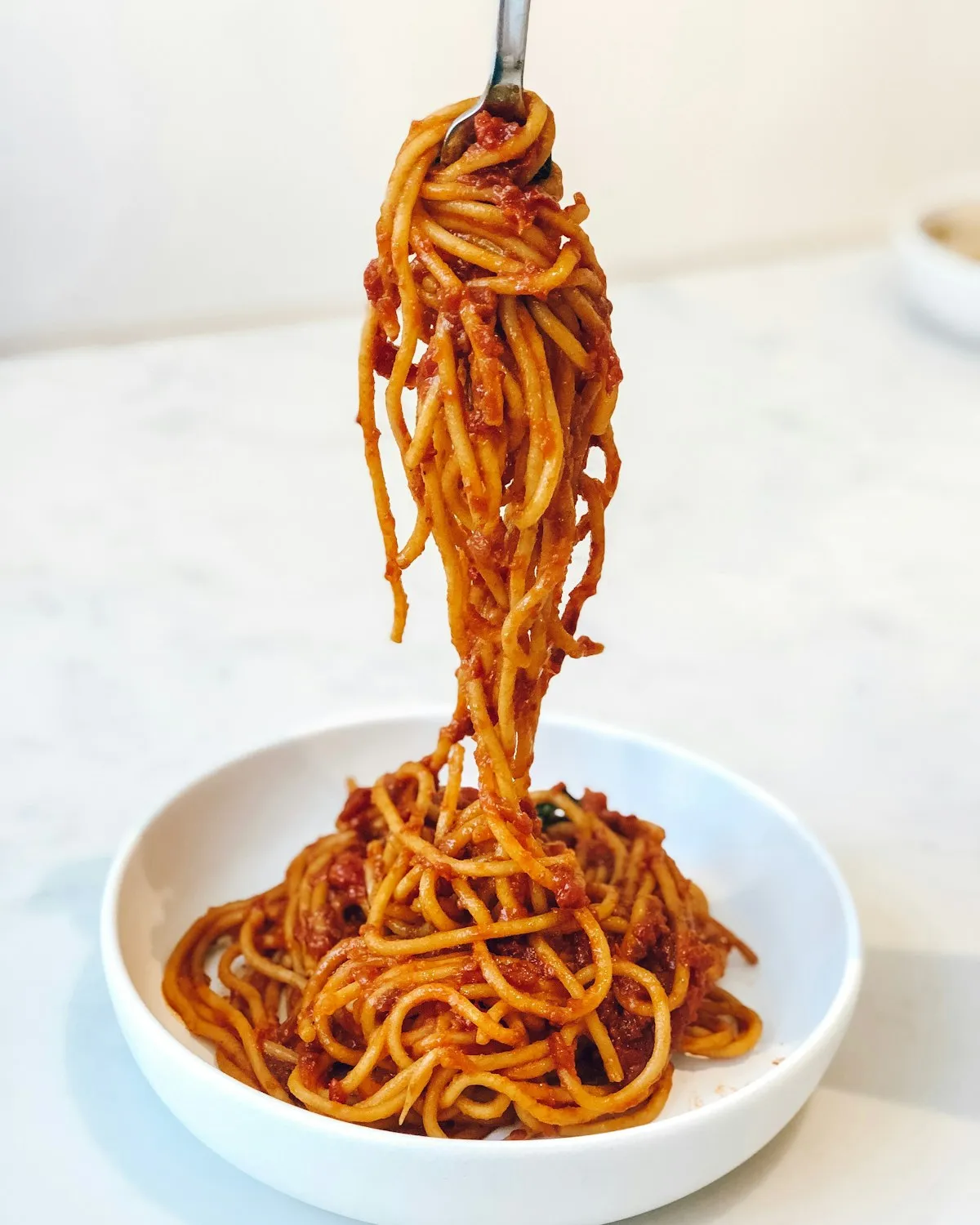
Let’s talk about why your garlic usually tastes like a chemical burn. Garlic contains two separate compounds: alliin and an enzyme called alliinase. When you slice or crush the garlic, these two meet and create allicin. This is the "hot," pungent sulfur compound that gives raw garlic its bite. If you dump minced garlic into a screaming hot pan, you instantly lock in that harshness.
Instead, start your garlic in cold oil and bring the heat up slowly. Use low heat to gently denature the alliinase. This allows the allicin to transform into sweeter, nuttier sulfur compounds without burning. Slice your garlic paper-thin rather than mincing it. Thinner slices mean more surface area for flavor extraction into the oil but less risk of the tiny bits overcooking and becoming bitter. If the garlic turns dark brown, it’s game over. You’re looking for a pale, "straw-gold" color.
The real magic, however, is the emulsion. Proper Aglio e Olio is an oil-in-water emulsion. Despite looking like an "oily" pasta, it should actually be creamy. This happens because of two things: starch and shear force. As pasta cooks, it sheds starch, specifically amylose and amylopectin, into the water. These starch molecules act as natural emulsifiers. They have a "water-loving" end and an "oil-loving" end, allowing them to bridge the gap between the olive oil and the pasta water.
Use the "Mantegatura" technique. When the pasta is about two minutes away from being al dente, move it into the skillet with your garlic-infused oil. Add a generous splash of that cloudy, starchy pasta water. Now, start tossing aggressively. This mechanical shear breaks the oil into microscopic droplets. The starch molecules wrap around these droplets, preventing them from merging back together. This is the same logic I use for achieving the perfect glossy sauce in other one-pot dishes. If the pan looks greasy, you need more water and more agitation.
Technical Variations for Texture and Punch
Traditionalists will tell you that adding anything else is a crime, but we’re here for flavor, not a history lesson. If you want a more unified, modern mouthfeel, try the "boiled garlic" hack. Boil whole garlic cloves in water or milk three times, discarding the liquid each time. This removes the harsh sulfur compounds entirely. You can then blend these mellow cloves into your pasta water and oil to create a "pre-emulsified" sauce that is incredibly creamy without a drop of dairy.
For those who need a bit of protein, adding high-quality tinned sardines or anchovies at the beginning of the garlic sauté provides a massive umami boost. Anchovies are basically "salt with a soul." They contain inosinate, which works synergistically with the glutamates in the pasta to amplify the savory profile. They will completely dissolve into the oil, leaving behind a deep, salty funk that elevates the dish from a snack to a full-blown meal.
If you are looking for healthy dinner ideas that don't feel like a sacrifice, try swapping half the spaghetti for zucchini noodles (zoodles). The trick here is timing. Don't cook the zoodles in the water; toss them into the skillet for the final 60 seconds of emulsification. They will absorb the garlic oil and provide a fresh, crunchier texture that cuts through the richness of the olive oil.
Balancing the Equation: Side Dish Pairings
Aglio e Olio is heavy on fat and starch. To create a balanced plate, you need acidity and fiber. I usually pair this with a quick side of roasted vegetables to round out my healthy dinner ideas. Think about vegetables that can stand up to high heat and provide a bitter or bright contrast.
Roasted broccoli or charred asparagus are top-tier choices. Use a high-efficiency method like an air fryer roast to get those crispy, caramelized edges (the Maillard reaction at work!) while your pasta boils. Finish the veggies with a squeeze of fresh lemon juice. The citric acid in the lemon helps break up the perception of fat on your palate, making the next bite of pasta taste just as good as the first. A simple arugula salad with a sharp balsamic vinaigrette also works wonders; the peppery bite of the arugula mimics the heat of the red pepper flakes in the pasta.
Troubleshooting Your Aglio e Olio: FAQ
Why is my sauce greasy and sitting at the bottom of the bowl?
This is a classic failure of emulsification. Either you didn't have enough starch in your water, or you didn't toss the pasta enough. Next time, use less water to boil your pasta, this concentrates the starch. If it's already greasy, add two more tablespoons of hot pasta water and stir like your life depends on it. The water is the "glue" that holds the oil to the noodles.
Can I use the jarred, pre-minced garlic?
Avoid it. Jarred garlic is often preserved in citric acid, which alters the pH and prevents the proper development of those nutty, sweet flavors during the sauté. It also lacks the enzyme potential to create the fresh garlic aroma we’re after. Buy a head of garlic; the five minutes of peeling is a non-negotiable tax for a good meal.
My garlic turned brown almost instantly. What happened?
Your pan has too much thermal mass or your heat was too high. Stainless steel and cast iron hold onto heat very well. If the oil is shimmering and smoking, it’s too hot. Take the pan off the burner for a minute before adding the garlic. Remember: we want to extract flavor, not fry the garlic into chips.
Is this actually one of those quick family meals? My kids hate spice.
Absolutely. Just omit the red pepper flakes or serve them on the side. The base of garlic and olive oil is incredibly kid-friendly because it’s savory and familiar. You can even top it with a mountain of Parmesan cheese (which contains its own emulsifying proteins) to make it even more approachable.
Can I use gluten-free pasta for this?
Yes, but be careful. Gluten-free pasta often releases a different type of starch (usually rice or corn-based) which can make the sauce "gummy" if over-reduced. Watch the pan closely and don't let the water evaporate completely. You might need a slightly higher oil-to-water ratio to keep things moving.
What’s the best oil to use?
Since the oil is the sauce, use the best extra virgin olive oil you can afford. Look for "cold-pressed" on the label. High-quality oils contain polyphenols that contribute peppery, grassy notes that cheap, refined oils lack. Since we are cooking over low heat, we don't need to worry about the smoke point. Save the neutral oils for your air fryer recipes dinner and use the good stuff here.