Recipe
Servings
Servings 1×
Ingredients
- Shrimp
- Garlic
- Lemon
- Cream
- Feta
- Butter
- Cooking oil
- Salt
- Black pepper
Method
- Sautéing shrimp isn’t just about throwing them in a hot pan and hoping for the best.
- Use a paper towel and press firmly.
- Use your biggest skillet.
- Sear your shrimp first, remove them from the pan, and then lower the heat to medium before tossing in your minced garlic.
If you have fifteen minutes and a serious hunger for something that tastes like a five-star Mediterranean vacation, you’ve come to the right place. We’ve all been there: staring into the fridge at 6:00 PM, wondering how to turn a bag of frozen protein into something spectacular without spending two hours at the stove. This sautéed shrimp is my absolute go-to for quick family meals. It’s fast, punchy, and uses the kind of pantry staples you probably already have lying around. Let’s get you cooking.
The Science of the Perfect Sear
Sautéing shrimp isn’t just about throwing them in a hot pan and hoping for the best. Shrimp are tiny, delicate muscle bundles that go from "perfectly succulent" to "pencil eraser" in about thirty seconds. To avoid the rubbery heartbreak, you need to understand the moisture-heat relationship.
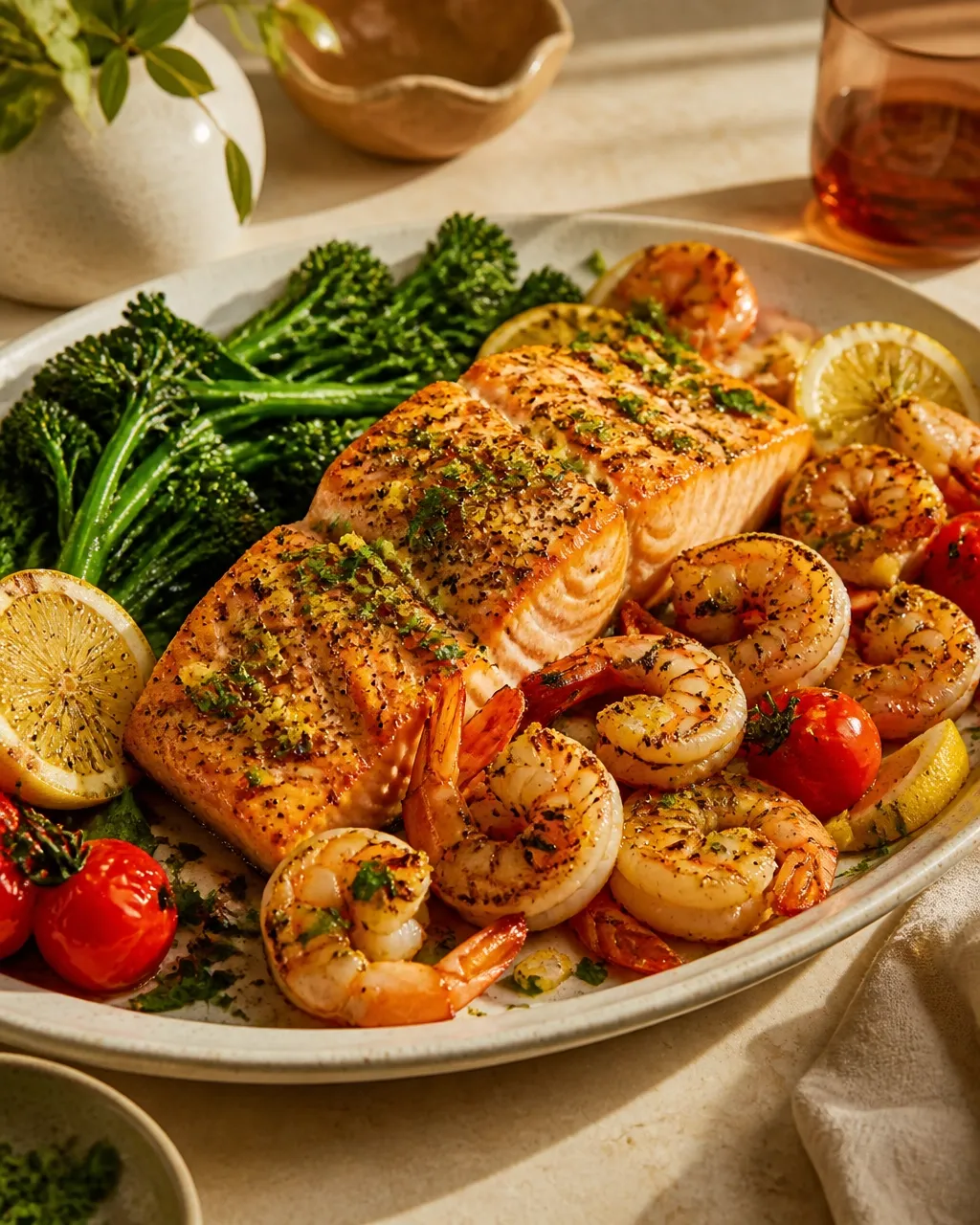
Moisture Is the Enemy of Brown
First and foremost: pat your shrimp dry. If your shrimp are wet when they hit the oil, that water has to evaporate before any browning (the Maillard reaction) can begin. Instead of a golden sear, you’ll end up with gray, steamed shrimp sitting in a puddle of juice. Use a paper towel and press firmly. I’m talking bone-dry.
The 15-Minute "Dry Brine"
If you have an extra ten or fifteen minutes, toss your peeled shrimp with a pinch of salt and a tiny: and I mean tiny: pinch of baking soda. This is a pro-level move for healthy dinner ideas that actually taste professional. The salt helps the shrimp retain moisture even under high heat, while the baking soda raises the pH level of the surface, encouraging that beautiful golden crust to form faster. It’s chemistry you can taste.
Crowding Is a Crime
Use your biggest skillet. When you crowd the pan, the temperature drops instantly, and the shrimp start releasing liquid faster than they can sear. You want every single shrimp to have its own personal bubble of space. If you’re cooking for a crowd, do it in batches. It takes two minutes per batch; don’t be lazy.
Timing the Aromatics
The biggest mistake people make with this dish is adding the garlic too early. Garlic burns at the drop of a hat, especially at the high heat required for sautéing. Sear your shrimp first, remove them from the pan, and then lower the heat to medium before tossing in your minced garlic. You only need 30 seconds until it’s fragrant. If it turns dark brown, throw it out and start over: bitter garlic will ruin the whole vibe.
Creative Variations to Keep It Fresh
While the lemon-garlic-butter trio is the gold standard, you don't have to stop there. Once you master the "dry-sear-finish" technique, the world is your oyster: or your shrimp, in this case.
- The Spicy Kick: If you like a bit of heat, toss in half a teaspoon of smoked paprika and a pinch of cayenne pepper when you add the garlic. The oil will bloom the spices, turning the butter into a vibrant, smoky red sauce that coats every shrimp.
- The Herbaceous Overload: Instead of just parsley, try a mix of fresh dill and mint at the very end. It sounds wild, but the brightness of the mint against the richness of the butter is transformative.
- Mediterranean Style: Stir in a tablespoon of capers and some crumbled feta right before serving. The briny saltiness of the capers cuts through the butter perfectly.
- The Keto Power-Up: For those looking for healthy dinner ideas that fit a high-fat lifestyle, double the butter and add a splash of heavy cream at the end for a rich, silky lemon-garlic cream sauce.
Side Dish Pairings for a Balanced Plate
Because this dish is so rich and acidic, you want sides that can either soak up that liquid gold (the butter sauce) or provide a crisp, refreshing contrast.
If you’re keeping things light, serve these over a bed of zucchini noodles or roasted asparagus. The snap of the vegetables provides a great textural counterpoint to the tender shrimp. If you aren't counting carbs, a crusty baguette is non-negotiable. You need something to mop up that garlic-infused butter at the bottom of the bowl.
For a more substantial meal, fluffy jasmine rice or a simple angel hair pasta works beautifully. Just remember to toss the pasta or rice directly in the pan with the shrimp for the last 30 seconds so every grain or strand is coated in the sauce. If you’re a fan of seafood and starch combinations, you might also enjoy our take on creamy seafood pasta like our Seafood Pasta Bowl.
Sautéed Shrimp FAQ
Should I use fresh or frozen shrimp?
Honestly? Frozen is usually better. Most "fresh" shrimp at the grocery store counter was previously frozen and is just sitting there on ice, slowly losing quality. Buy a bag of high-quality frozen, peeled, and deveined jumbo shrimp. Thaw them in a bowl of cold water for 15 minutes right before you’re ready to cook. They’ll be fresher than the "fresh" stuff.
Can I make this in an air fryer?
While I love air fryer recipes dinner options for things like chicken wings, shrimp can be tricky. They cook so fast that the air fryer often dries them out before they get a good sear. If you do use an air fryer, toss them in plenty of oil first and cook at 400°F (200°C) for only 4–5 minutes. However, for that glossy butter sauce, the skillet is king.
Why did my shrimp turn into tight 'O' shapes?
The shape of your shrimp tells a story. A "C" shape means they are perfectly cooked. An "O" shape means they are overcooked and likely tough. If they stay in a "J" shape, they might be slightly underdone. Watch them like a hawk; as soon as they curl into a loose "C" and the flesh is opaque, get them out of that pan.
Can I leave the tails on?
It’s a matter of preference. Tails-on looks more "restaurant-fancy" and actually adds a bit of depth to the sauce, but it’s a pain to peel them while you’re eating. If this is one of your quick family meals for kids, save yourself the trouble and buy them completely peeled.
How do I reheat leftovers without making them rubbery?
Reheating shrimp in the microwave is a crime in several states (or it should be). It turns them into tiny tires. Instead, put them in a pan over low heat with a tiny splash of water or a knob of butter. Cover the pan and let them steam gently for 2 minutes just until they are warm through.
{“@type”:”BlogPosting”,”image”:”https://cdn.marblism.com/QDLqgpXMwzU.webp”,”author”:{“name”:”Cookpedia”,”@type”:”Person”},”@context”:”https://schema.org”,”headline”:”15-Minute Sautéed Shrimp with Lemon and Garlic”,”publisher”:{“logo”:{“url”:”https://cdn.marblism.com/r31hCYxu5lk.webp”,”@type”:”ImageObject”},”name”:”Cookpedia”,”@type”:”Organization”},”description”:”Master the science of the perfect 15-minute sautéed shrimp with lemon and garlic. Learn why dry-brining and heat management are the secrets to succulent, golden shrimp every time.”,”datePublished”:”2026-07-11″,”mainEntityOfPage”:{“@id”:”https://cookpedia.com/15-minute-sauteed-shrimp-lemon-garlic”,”@type”:”WebPage”}}