Recipe
Servings
Servings 1×
Ingredients
- Salmon
- Quinoa
- Rice
- Cauliflower
- Broccoli
- Asparagus
- Fresh ginger
- Lemon
- Honey
- Cream
- Soy sauce or tamari
- Chili seasoning
Method
- Use an instant-read thermometer if you want to stop guessing.
- Give the fillets space so the air can circulate; otherwise, the temperature drops, and the fish won't cook evenly.
- Let the ginger and lemon do the heavy lifting.
If you have fifteen minutes and a couple of fillets in the fridge, you’re already halfway to a masterpiece. I’m a firm believer that great food doesn’t need a complicated grocery list or a degree in culinary arts. This lemon ginger salmon is the ultimate "emergency" dinner for those nights when you’re tempted to order takeout but know you’ll feel better if you eat something real. It’s vibrant, zingy, and arguably one of the best healthy dinner ideas you can keep in your back pocket.
The Science of Succulent Salmon
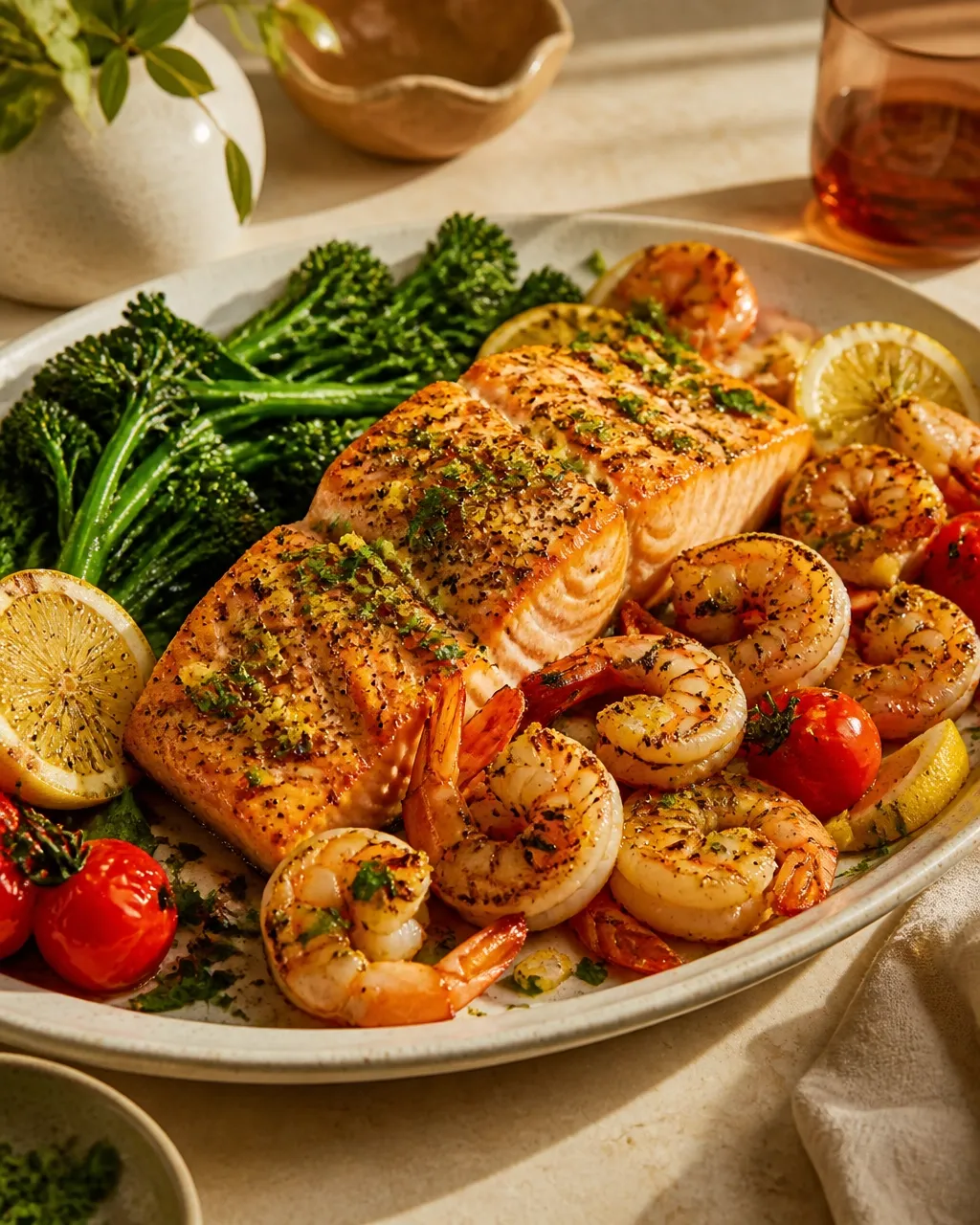
Getting salmon right isn't about luck; it's about understanding how heat interacts with protein. Most home cooks treat all salmon the same, but the science says otherwise. Use an instant-read thermometer if you want to stop guessing. If you’re cooking farmed salmon, pull it at 125°F (52°C). For wild salmon, which is leaner and has tighter muscle fibers, pull it even earlier at 120°F (49°C). This ensures the collagen doesn't contract so much that it squeezes out all the moisture, leaving you with a dry, chalky brick.
Always pat your fish dry with a paper towel before it touches any heat. Moisture is the enemy of the Maillard reaction, that chemical process where proteins and sugars transform into a delicious, golden-brown crust. If the surface is wet, the fish will steam rather than sear, and you’ll miss out on that depth of flavor.
Don't ignore the power of the lemon and ginger combo. The acidity in the lemon doesn't just "brighten" the dish; it actually helps break down the fish’s surface proteins, making it flake more easily. Ginger contains a proteolytic enzyme called zingibain. While it’s more famous for tenderizing tough steaks, on salmon, it adds a subtle softness while providing a warm, spicy counterpoint to the rich fats.
Check your cooking method. While pan-searing is classic, this recipe is a prime candidate for air fryer recipes dinner enthusiasts. The high-velocity hot air mimics a convection oven but works much faster, locking in juices while crisping the edges. Avoid overcrowding the pan or basket. Give the fillets space so the air can circulate; otherwise, the temperature drops, and the fish won't cook evenly. If you are looking for more inspiration, check out our quick meals section.
Flavor Variations to Keep it Fresh
Once you master the base technique, you can start playing with the profile. If you want something a bit more robust, try adding a tablespoon of white miso or high-quality soy sauce to the lemon-ginger mix. This introduces "umami," the savory fifth taste that makes the dish feel much more indulgent without adding heavy calories. It’s one of those quick family meals hacks that makes people think you spent hours in the kitchen.
For those who like a little heat, whisk in some red chili flakes or a dollop of sriracha. The capsaicin in the peppers plays beautifully with the zing of the ginger. If you prefer a touch of sweetness to balance the lemon’s tartness, a tiny drizzle of honey or maple syrup works wonders. The sugars will caramelize under the heat, giving you a slightly tacky, sweet-and-sour glaze that is absolutely addictive.
If you're following a specific lifestyle, you can find more healthy dinner ideas on our blog that follow these simple principles of balance and high-impact flavor. Remember, the goal is "real food" made simple, so don't feel pressured to add ten different spices. Let the ginger and lemon do the heavy lifting.
Balancing Your Plate
Salmon is a rich, fatty fish, so you need sides that offer a crisp, acidic, or earthy contrast. Avoid heavy, cream-based sides that compete with the salmon's natural oils. Instead, go for steamed greens like asparagus or broccolini. The snap of a fresh vegetable balances the buttery texture of the fish.
Grains like quinoa or farro are excellent because they soak up the extra lemon-ginger juices. If you’re keeping things low-carb, cauliflower rice is a great vehicle for the sauce. The key is to keep the sides simple so the salmon remains the star of the show. You can find a variety of dinner inspiration on our site to help you round out your meal prep.
Frequently Asked Questions
Why does my salmon have white stuff on it?
That white substance is called albumin. It’s a protein that’s pushed out of the muscle fibers as they contract during cooking. While it’s perfectly safe to eat, it’s usually a sign that you’re cooking the fish too fast or at too high a temperature. To minimize it, try a lower heat setting or take the fish off the heat a minute earlier than you think you should.
Can I use frozen salmon for this?
Absolutely, but thaw it properly. The best way is in the fridge overnight. If you’re in a rush, place the sealed fillet in a bowl of cold water for about 20 minutes. Avoid using warm water or the microwave, as this starts the cooking process unevenly and ruins the texture. Always pat it extra dry after thawing, as frozen fish tends to release more moisture.
Should I leave the skin on?
Yes, always. Even if you don't plan on eating it, the skin acts as a protective barrier between the flesh and the heat source. This helps prevent overcooking. If you’re pan-searing, start skin-side down and don't touch it until it releases naturally from the pan. This is the secret to that restaurant-style crispy skin.
Is this a good option for quick family meals?
It’s one of the best. Because it cooks so fast, usually under 10 minutes depending on the thickness, it’s perfect for busy weeknights. Plus, the flavor is mild enough that even picky eaters usually enjoy the brightness of the lemon.
Can I cook this in an air fryer?
Yes, salmon is one of the top choices for air fryer recipes dinner. Set your air fryer to 400°F and cook for about 7-9 minutes. The intense heat creates a fantastic crust while keeping the middle perfectly tender. Just make sure to lighty grease the basket first to prevent sticking.
{“@type”:”BlogPosting”,”image”:”https://cdn.marblism.com/wE1qeYJCgHc.webp”,”author”:{“name”:”Cookpedia”,”@type”:”Organization”},”@context”:”https://schema.org”,”headline”:”Quick Healthy Lemon Ginger Salmon”,”publisher”:{“logo”:{“url”:”https://cdn.marblism.com/r31hCYxu5lk.webp”,”@type”:”ImageObject”},”name”:”Cookpedia”,”@type”:”Organization”},”mainEntity”:{“@type”:”FAQPage”,”mainEntity”:[{“name”:”Why does my salmon have white stuff on it?”,”@type”:”Question”,”acceptedAnswer”:{“text”:”That white substance is called albumin. It’s a protein that’s pushed out of the muscle fibers as they contract during cooking. It’s safe to eat but usually indicates overcooking or too much heat.”,”@type”:”Answer”}},{“name”:”Can I use frozen salmon for this?”,”@type”:”Question”,”acceptedAnswer”:{“text”:”Yes, but thaw it properly in the fridge overnight or in cold water for 20 minutes. Avoid microwaves to preserve texture.”,”@type”:”Answer”}},{“name”:”Should I leave the skin on?”,”@type”:”Question”,”acceptedAnswer”:{“text”:”Yes, leaving the skin on protects the flesh from direct heat and helps prevent the fish from drying out.”,”@type”:”Answer”}}]},”description”:”Discover the science behind the perfect Quick Healthy Lemon Ginger Salmon. Learn why temperature matters and how to get a restaurant-quality sear at home.”,”datePublished”:”2026-07-09″,”mainEntityOfPage”:{“@id”:”https://cookpedia.com/quick-healthy-lemon-ginger-salmon”,”@type”:”WebPage”}}