Recipe
Servings
Servings 1×
Ingredients
- Pasta
- Noodles
- Tomatoes
- Lemon
- Pesto
- Hard cheese
- Cooking oil
Method
- Prepare the ingredients described in the article and heat the cooking surface or oven as directed.
- Cook the main ingredients using the heat and timing guidance in the article.
- Finish with the seasonings and garnishes named in the article, then serve.
There are nights when your soul craves something deeper than a bowl of buttered noodles but your schedule demands the efficiency of a pit stop. That is where my 15-minute sun-dried tomato pesto pasta comes in. It is one of those quick family meals that feels like a warm hug from a Mediterranean nonna, even if you’ve only got a few minutes between school runs or late-night emails. By focusing on a few high-quality pantry staples, you can create a dish that is as complex in flavor as it is simple in execution.
The Science of the Gloss: Why Emulsification is Non-Negotiable
When you make a pesto, you aren't just mixing ingredients; you are creating a coarse emulsion. Think of your sun-dried tomato pesto as a concentrated flavor bomb. It is packed with fats, from the oil-packed tomatoes, the olive oil, the nuts, and the parmesan cheese. If you simply toss this thick paste onto dry pasta, you’ll end up with a clumpy, greasy mess. To transform it into a silky sauce that clings to every strand of pasta, you need to master the art of the "liquid gold", starchy pasta water.
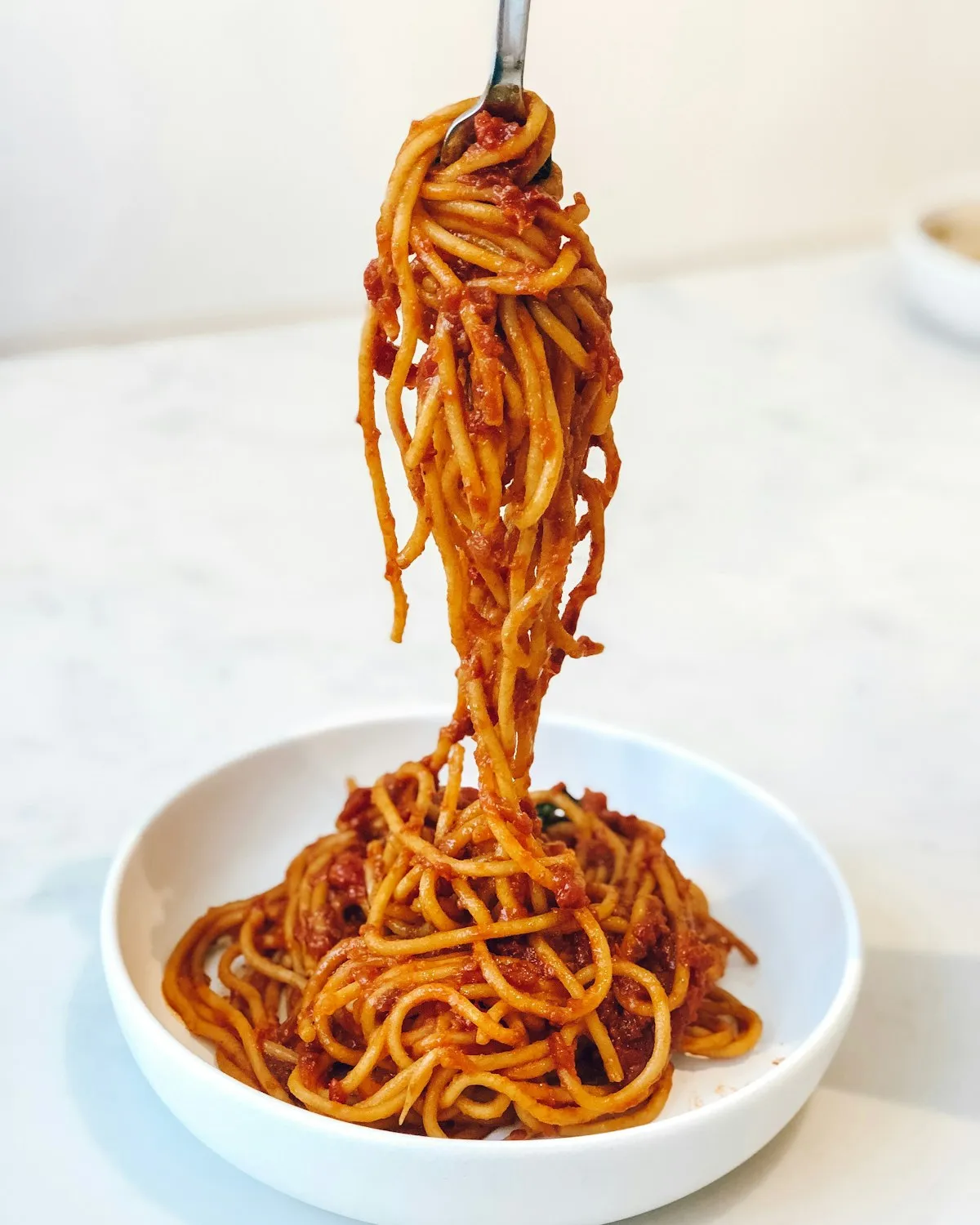
Pasta Water is Your Secret Weapon
As pasta boils, it releases starch into the water. This starchy liquid acts as a bridge between the water-based elements (like the tomato juices and lemon) and the oil-based elements. When you whisk a splash of this hot, cloudy water into your pesto, the starch particles physically prevent the oil droplets from recombining. This creates that glossy, professional-looking finish you see in high-end Italian restaurants. Use a ladle to pull about a cup of water from the pot just before draining. Never rinse your pasta; you need that surface starch for the sauce to stick.
Temperature Control and the "Off-Heat" Rule
One of the most common mistakes is "cooking" the pesto in a pan. Pesto is a fresh sauce; heat is its enemy. High temperatures can cause the delicate volatile oils in the basil to oxidize and turn bitter, and it can make the fat in the cheese separate into an oily pool. Instead, toss your pasta and pesto in a large pre-warmed bowl off the heat. The residual warmth of the pasta is more than enough to melt the parmesan and create a creamy consistency without breaking the emulsion.
The Role of Friction
Don't just stir; toss with intention. The mechanical action of vigorously tossing the pasta helps disperse the pesto and the pasta water into a unified sauce. If the pasta looks dull, add another tablespoon of water. If it looks glossy and coats the noodles evenly without a puddle of oil at the bottom, you have achieved the perfect emulsion. This technique is exactly what makes our one-pan cacio e pepe so successful, it’s all about the starch-fat balance.
Variations for Every Palate
The beauty of a minimalist recipe is its versatility. Once you understand the base technique, you can pivot based on what’s in your pantry. If you are looking for healthy dinner ideas that pack a nutritional punch, try swapping half the pasta for zucchini noodles or adding a handful of fresh baby spinach to the hot pasta at the very end. The residual heat will wilt the greens perfectly without turning them into mush.
For those who crave a bit of fire, add a teaspoon of Calabrian chili paste or red pepper flakes to the pesto. The heat cuts through the richness of the sun-dried tomatoes beautifully. If you find the sauce a bit too heavy, a squeeze of fresh lemon juice at the very end adds the necessary acidity to brighten the entire dish.
If you want more texture, don't just blend all your nuts into the pesto. Save a handful of toasted pine nuts or walnuts to sprinkle on top right before serving. The contrast between the silky, emulsified sauce and the crunch of the toasted nuts provides a much more "soulful" eating experience.
Perfect Side Dish Pairings
Because this pasta is inherently rich and umami-forward, you want sides that provide a sharp contrast. Think acidity, crunch, and brightness. A simple arugula salad with a lemon-shallot vinaigrette is my go-to. The peppery bite of the arugula cuts right through the sweet, concentrated tomato flavor.
If you have an extra five minutes, consider putting your air fryer to work. While your pasta water boils, you can whip up some air fryer recipes for dinner sides like charred asparagus or crispy broccoli. The dry heat of the air fryer provides a roasted depth that balances the creamy pasta without adding more "heaviness" to the meal.
Frequently Asked Questions
What if my pesto is too oily?
If you see oil pooling at the bottom of the bowl, you have likely added too much oil to your pesto base or didn't use enough pasta water to emulsify it. Fix this by adding a small sprinkle of extra parmesan cheese and a tablespoon of hot pasta water. The proteins in the cheese and the starch in the water will help soak up the excess fat and pull the sauce back together.
Can I use sun-dried tomatoes that aren't packed in oil?
Yes, but you must rehydrate them first. Soak them in boiling water for about 10 minutes until they are soft and pliable. If you skip this, your pesto will be gritty and the flavor won't integrate properly. However, oil-packed tomatoes are the gold standard here because the oil in the jar is already infused with tomato flavor: use a bit of that oil in your pesto for an extra depth of flavor!
Why did my basil turn brown?
Basil is extremely sensitive to heat and oxidation. If you blend your pesto for too long, the friction from the blades can heat the herbs and turn them dark. Pulse the blender just until combined, and always toss the pesto with the pasta off the heat. If you want a vibrant green speckle, add a handful of fresh, hand-torn basil leaves at the very last second before serving.
How do I store and reheat leftover pesto pasta?
Pesto pasta is notorious for drying out in the fridge because the pasta continues to absorb the sauce. To reheat, avoid the microwave if possible. Instead, put the leftovers in a pan with a splash of water or milk over low heat. Stir constantly until the sauce becomes creamy again. This mimics the emulsification process you did during the initial cook and prevents the pasta from becoming a greasy brick.
Is this dish suitable for a keto diet?
Standard wheat pasta is not keto-friendly, but the sun-dried tomato pesto itself is a fantastic low-carb condiment. You can toss this pesto with shirataki noodles, spaghetti squash, or even over a grilled chicken breast for a high-fat, low-carb meal. It is one of the most versatile healthy dinner ideas for people managing their carb intake without sacrificing flavor.
{“@type”:”BlogPosting”,”image”:”https://cdn.marblism.com/sC01IfmFs_h.webp”,”author”:{“name”:”Penny”,”@type”:”Person”},”@context”:”https://schema.org”,”headline”:”15-Minute Sun-Dried Tomato Pesto Pasta: Minimalist & Soulful”,”publisher”:{“logo”:{“url”:”https://cookpedia.com/logo.png”,”@type”:”ImageObject”},”name”:”Cookpedia”,”@type”:”Organization”},”description”:”Learn the science of perfect emulsification for a 15-minute sun-dried tomato pesto pasta. A minimalist, soulful meal for busy weeknights.”,”datePublished”:”2026-06-19″,”mainEntityOfPage”:{“@id”:”https://cookpedia.com/15-minute-sun-dried-tomato-pesto-pasta”,”@type”:”WebPage”}}