Recipe
Servings
Servings 1×
Ingredients
- Chicken
- Shrimp
- Tofu
- Rice
- Cauliflower
- Broccoli
- Greens
- Peas
- Cucumber
- Cooking oil
- Sesame
- Salt
- Black pepper
Method
- Pat it down with a paper towel.
- Use a high-smoke-point oil and get that skillet hot.
- Cook them too long, and the cell walls collapse, turning them into mush.
- Keep the sauce moving as it heats up, and pull it off the burner the moment it looks like liquid velvet.
If you have fifteen minutes and a serious case of the "I don't want to cook" blues, you have exactly what you need to create a restaurant-quality meal. I get it; some days the kitchen feels like a chore, but this skillet dish is the ultimate shortcut to flavor. We’re talking succulent chicken, snappy peas, and a glaze so glossy you could almost see your reflection in it. It’s one of those quick family meals that makes you look like a pro without actually having to break a sweat.
The Science of the Sear and the Glossy Glaze
Achieving a 15-minute masterpiece requires understanding a few kitchen fundamentals. The goal is maximum flavor in minimum time, and that starts with the Maillard reaction. This is the scientific process where proteins and sugars react under heat to create that beautiful brown crust and deep, savory aroma. To get this right, you must ensure your chicken is dry before it hits the pan. Moisture is the enemy of the sear; if your chicken is damp, it will steam rather than brown, leaving you with gray, sad meat. Pat it down with a paper towel. It’s a non-negotiable step for anyone looking for healthy dinner ideas that actually taste like they came from a grill.
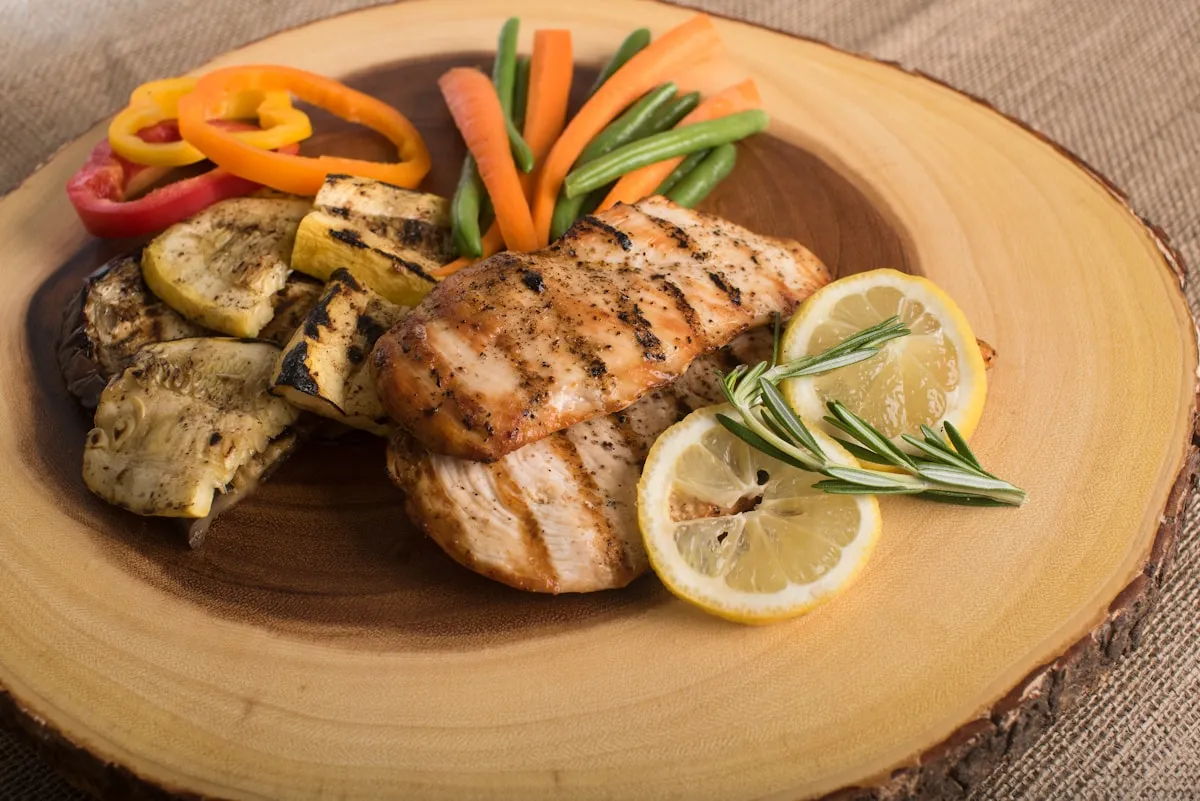
Use a high-smoke-point oil and get that skillet hot. Avoid crowding the pan. If you dump too much chicken in at once, the temperature of the skillet drops, and again, you’re back to steaming. Work in batches if you have to. You want each piece to have enough "personal space" to develop a golden-brown exterior. This initial sear locks in the juices, ensuring that the final result is tender rather than rubbery.
Then, there’s the snap pea factor. Snap peas are nature’s perfect stir-fry vegetable because they require almost no prep and very little cook time. The science here is all about preserving the cell structure. Cook them too long, and the cell walls collapse, turning them into mush. You want to stir-fry them just until they turn a vibrant, neon green. This "crisp-tender" state provides the essential textural contrast to the soft chicken.
The magic of the teriyaki glaze comes down to starch gelatinization. When you use a cornstarch slurry, the starch granules absorb the liquid and swell when heated. This is what transforms a thin, watery sauce into a thick, luxurious glaze that clings to every nook and cranny of the chicken. Remember to always whisk your cornstarch into a cold liquid first. If you drop dry cornstarch into a hot pan, you’ll end up with tiny, undissolved flour-bombs. Keep the sauce moving as it heats up, and pull it off the burner the moment it looks like liquid velvet. Overcooking a starch-based sauce can actually cause it to break down and become watery again.
Flavor Variations and Protein Swaps
While the classic chicken and snap pea combo is a winner, you can easily pivot based on what’s in your fridge. If you’re leaning into healthy dinner ideas, consider swapping the chicken for firm tofu or even shrimp. Tofu loves the Maillard reaction just as much as chicken does, but make sure you press the water out of it first. Shrimp cooks even faster: usually in under three minutes: so adjust your timing accordingly to prevent them from turning into tiny, rubbery erasers.
For those who want a bit of heat, whisk a spoonful of sambal oelek or red pepper flakes into your glaze. The capsaicin in the peppers adds a sharp bite that cuts through the sweetness of the teriyaki. If you find snap peas a bit too sweet, try using broccolini or sliced bok choy. These greens offer a slightly bitter edge that balances the umami-heavy sauce beautifully. You can even experiment with fruit; adding fresh pineapple chunks toward the end of the cooking process introduces a bright acidity that elevates the whole dish. While this isn't one of those 'air fryer recipes dinner' lovers usually hunt for, the skillet method provides a superior sear that the air fryer simply can't replicate for glazed dishes.
Perfect Side Dish Pairings
The key to a well-rounded meal is balance. Since teriyaki is naturally salty and sweet, your sides should offer neutrality or acidity. A simple bowl of jasmine or basmati rice is the classic choice for a reason: it’s a blank canvas that lets the sauce shine. If you want to keep things lighter, cauliflower rice or a bed of sautéed cabbage works wonders for soaking up the extra glaze.
I highly recommend pairing this skillet with something bright and acidic, like a quick cucumber salad. Thinly slice some cucumbers and toss them with rice vinegar and a drop of sesame oil. The vinegar acts as a palate cleanser, cutting through the richness of the chicken and the sugar in the sauce. It’s a simple addition that turns a basic quick family meals night into a complete dining experience. If you’re feeling adventurous, a side of chilled edamame with sea salt adds more plant-based protein and a fun, interactive element to the table.
Frequently Asked Questions
Why did my chicken turn out dry?
Dry chicken is almost always a result of overcooking. Because we are using small pieces for a 15-minute cook, they lose moisture very quickly once they pass the "done" stage. Use a meat thermometer if you’re unsure; 165°F (74°C) is the magic number. Also, avoid using chicken breast if you are prone to overcooking it; chicken thighs are much more forgiving because they have a higher fat content, which keeps them juicy even if they stay in the pan a minute too long.
How do I fix a sauce that is too thick?
If your glaze has turned into a sticky paste, don't panic. This usually happens if the sauce reduces too much or if there was too much cornstarch in the slurry. Simply whisk in a tablespoon of water or low-sodium chicken broth at a time while the pan is over low heat. The liquid will re-incorporate into the starch gel and thin it out to your desired consistency.
Can I use frozen snap peas for this?
You can, but proceed with caution. Frozen vegetables often release a lot of water as they thaw in the pan, which can ruin your sear and turn your sauce watery. If you must use frozen, thaw them completely and pat them very dry before adding them to the skillet. Honestly, for the best "snap," fresh is always the way to go.
Is it possible to make this ahead of time?
This dish is best eaten fresh because the snap peas lose their vibrant color and texture as they sit. However, you can prep the components ahead of time. Cut the chicken and whisk the sauce ingredients together (minus the cornstarch) so you can just throw everything in the pan when you’re ready. If you do have leftovers, they make a great lunch the next day: just be prepared for the peas to be a bit softer.
Why is my sauce salty but not flavorful?
This usually happens if you use a high-sodium soy sauce without balancing it with enough aromatics. Next time, double the amount of fresh ginger and garlic. These aromatics provide the "soul" of the dish, while the soy sauce provides the salt. If it's already too salty, add a squeeze of lime juice; the acidity helps mask the perception of saltiness on your tongue.
{“@type”:”BlogPosting”,”image”:”https://cdn.marblism.com/9FSCYyBdMWi.webp”,”author”:{“name”:”Penny”,”@type”:”Person”},”@context”:”https://schema.org”,”headline”:”15-Minute Teriyaki Chicken and Snap Pea Skillet”,”publisher”:{“logo”:{“url”:”https://cdn.marblism.com/KxroJ1kM_KA.webp”,”@type”:”ImageObject”},”name”:”Cookpedia”,”@type”:”Organization”},”description”:”A fast, healthy, and flavorful 15-minute teriyaki chicken stir-fry recipe using fresh snap peas and a glossy homemade glaze.”,”datePublished”:”2026-07-14″}