Recipe
Servings
Servings 1×
Cook 45 min
Ingredients
- Chicken
- Chickpeas
- Quinoa
- Rice
- Broccoli
- Asparagus
- Mushrooms
- Peas
- Cucumber
- Tomatoes
- Garlic
- Lemon
Method
- Pat your chicken dry with a paper towel; moisture is the enemy of a good sear.
- Sear them in batches if you have to.
- Use a 1:2 ratio of rice to broth as your baseline, but keep an eye on it.
- Add your asparagus in the final five to seven minutes of cooking.
- Use the "snap test" to prep them; bend the stalk until it breaks naturally to remove the woody, fibrous ends.
- Use the zest during the simmer to infuse the rice with deep citrus oils, but save a final squeeze of fresh juice for right before you serve.
If you are anything like me, the sight of a mountain of dishes after a long day is enough to make you reach for the takeout menu. But let’s be honest: nothing beats the soul-warming comfort of a home-cooked meal that actually tastes like real food. This one-pot lemon garlic chicken and rice is my go-to for those chaotic weeknights when I need a win. It’s vibrant, zesty, and, most importantly, only requires one pan to wash. Forget the stress and lean into these quick family meals that actually nourish your soul.
The Science of the Sizzle: Techniques for Success
Getting a one-pot dish right isn't just about throwing things in a pan and hoping for the best. There is a bit of kitchen chemistry at play that transforms simple ingredients into a masterpiece.
Master the Maillard Reaction
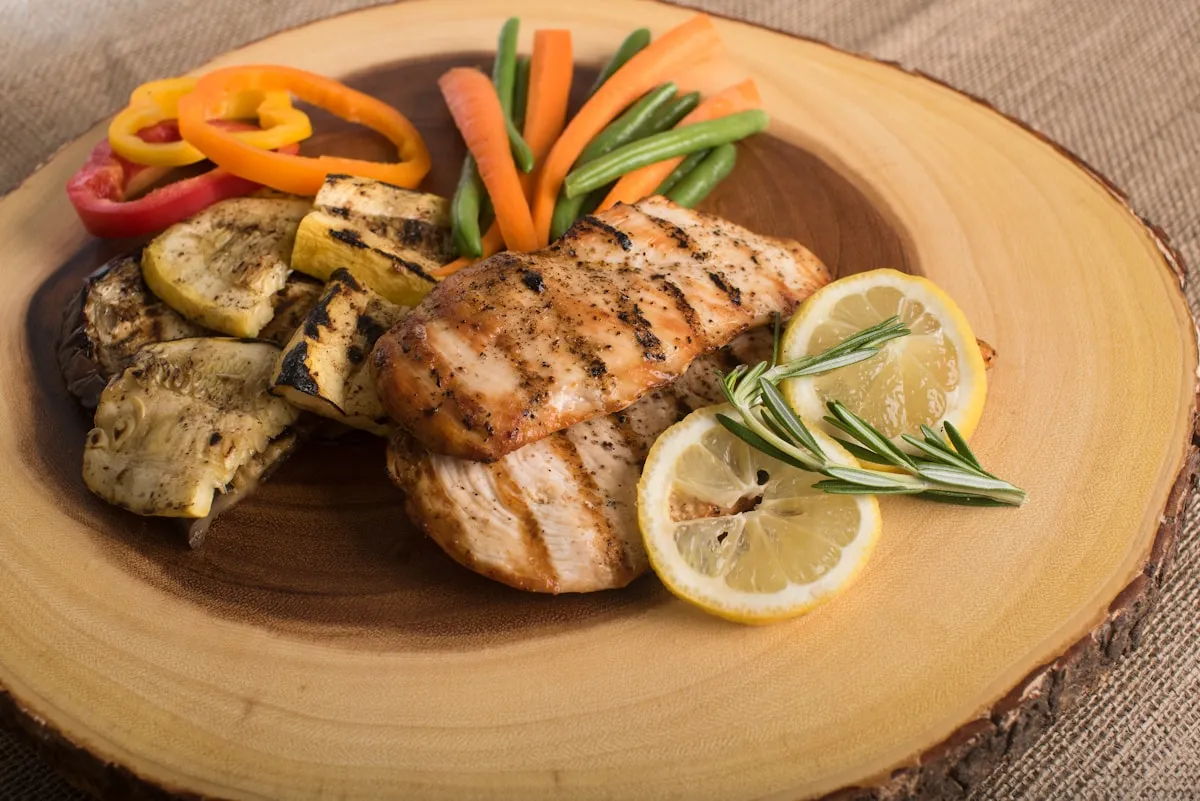
First, let’s talk about that beautiful brown crust on your chicken. That is the Maillard reaction, a chemical reaction between amino acids and reducing sugars that gives browned food its distinctive flavor. To achieve this, use a heavy-bottomed skillet and ensure your pan is screaming hot before the chicken touches it. Pat your chicken dry with a paper towel; moisture is the enemy of a good sear. If the meat is wet, it will steam instead of brown. Avoid overcrowding the pan. If you crowd the pieces, the temperature drops, and you’ll end up with gray, rubbery meat. Sear them in batches if you have to.
The Absorption Method Mystery
Rice can be finicky. In a one-pot setting, we use the absorption method. This means the rice is cooked in a specific amount of liquid that it completely absorbs by the end. Use a 1:2 ratio of rice to broth as your baseline, but keep an eye on it. Check the rice's texture about five minutes before the timer goes off. If it’s still crunchy but the liquid is gone, add a splash more broth. If it’s swimming in liquid, take the lid off and let that moisture evaporate. Most importantly: stop peeking! Every time you lift the lid, you lose the steam that is doing the heavy lifting.
Timing the Crunch
Asparagus is the "diva" of the vegetable world. If you add it too early, it turns into a dull, olive-drab mush. The vibrant green color comes from chlorophyll, which stays bright when cooked quickly. Add your asparagus in the final five to seven minutes of cooking. Use the "snap test" to prep them; bend the stalk until it breaks naturally to remove the woody, fibrous ends. This ensures every bite is tender but still has that satisfying snap.
Balancing the Brightness
Lemon is the secret weapon here. The acidity doesn't just add flavor; it actually cuts through the richness of the chicken fat and helps tenderize the proteins. Use the zest during the simmer to infuse the rice with deep citrus oils, but save a final squeeze of fresh juice for right before you serve. Heat can dull the bright "top notes" of lemon juice, so that final hit of acid makes the whole dish pop.
Flavor Variations to Keep it Fresh
While I’m a purist for the lemon-garlic combo, I know variety is the spice of life. If you’re looking for more healthy dinner ideas, try swapping the white rice for quinoa. Just keep in mind that quinoa absorbs liquid differently and usually cooks faster, so adjust your liquid ratios and check it early.
For a Mediterranean twist, toss in some Kalamata olives and sundried tomatoes along with the rice. The saltiness of the olives creates a beautiful contrast with the zingy lemon. If you’re leaning into a plant-based evening, swap the chicken for chickpeas or thick slices of portobello mushrooms. Just ensure you sear the mushrooms well to get that "meaty" texture.
If you have kids who are picky about greens, swap the asparagus for frozen peas or small broccoli florets. The peas can be stirred in at the very end, they only need about two minutes of residual heat to be perfect. If you’re a fan of air fryer recipes dinner enthusiasts often enjoy, you could even air-fry some extra crispy garlic chips to sprinkle on top for an added texture bomb.
Perfect Side Dish Pairings
Because this is a one-pot meal, you don't need a side, but a little contrast goes a long way. I love pairing this with a crisp, bitter green salad, think arugula or radicchio, dressed in a very simple vinaigrette. The bitterness of the greens acts as a "palate cleanser" against the savory garlic rice.
If you want something heartier, a thick slice of crusty sourdough is non-negotiable. You’ll want something to soak up any remaining lemon-garlic juices at the bottom of the pan. For those who want to stay on the lighter side, a simple cucumber and radish salad provides a cooling crunch that balances the warm, steamy rice. Check out our quick Mediterranean quinoa bowl for more inspiration on light, refreshing pairings.
FAQ: Troubleshooting Your One-Pot Wonders
Why is my rice mushy?
Mushy rice usually happens for two reasons: too much liquid or too much stirring. Stirring rice releases starch, which creates a gummy, porridge-like texture. Once you add the liquid and give it one initial stir, leave it alone! If you find it’s already mushy, try spreading it out on a baking sheet and popping it under the broiler for two minutes to dry it out slightly.
Can I use brown rice instead?
You can, but be warned: brown rice takes significantly longer to cook (usually 40–50 minutes). If you use brown rice, do not add the chicken and asparagus at the beginning. Cook the rice for about 25 minutes first, then nestle the chicken back in so it doesn't overcook and turn into leather while the rice finishes.
My garlic tastes bitter. What happened?
Garlic is delicate. If you sauté it for too long or at too high a heat before adding the liquid, it burns. Burnt garlic is irreversibly bitter. Use a lower heat when softening your aromatics and only add the garlic for the last 30–60 seconds before you deglaze the pan with broth or lemon juice.
How do I store and reheat leftovers?
Rice dries out in the fridge because the starch molecules undergo a process called retrogradation. When reheating, add a tablespoon of water or broth to the container and cover it loosely. This creates a mini-steamer effect in the microwave, bringing the rice back to its fluffy glory.
Is this recipe keto-friendly?
As written with white rice, no. However, you can easily make this a staple for keto for beginners by swapping the rice for cauliflower rice. Since cauliflower rice doesn't absorb liquid like grain rice, reduce the broth to just a splash and cook everything in a large skillet without the lid to let the moisture evaporate.
Cooking doesn't have to be a chore. Focus on the quality of your ingredients, respect the sear, and don't be afraid of a little extra lemon. You've got this!
{“@type”:”FAQPage”,”@context”:”https://schema.org”,”mainEntity”:[{“name”:”Why is my rice mushy?”,”@type”:”Question”,”acceptedAnswer”:{“text”:”Mushy rice is typically caused by using too much liquid or over-stirring the rice during the cooking process. Stirring releases starches that lead to a gummy texture. To avoid this, use a strict 1:2 rice-to-liquid ratio and avoid stirring once the simmer begins.”,”@type”:”Answer”}},{“name”:”Can I use brown rice instead of white rice?”,”@type”:”Question”,”acceptedAnswer”:{“text”:”Yes, but brown rice requires a longer cooking time (40-50 minutes). You should start the rice first and only add the chicken back to the pot during the last 20 minutes of cooking to prevent the meat from becoming dry.”,”@type”:”Answer”}},{“name”:”How can I prevent my garlic from tasting bitter?”,”@type”:”Question”,”acceptedAnswer”:{“text”:”Garlic becomes bitter when it is burnt. Ensure you add minced garlic to the pan only after other aromatics like onions have softened, and cook it for no more than 60 seconds before adding liquids to the pan.”,”@type”:”Answer”}},{“name”:”How should I reheat leftovers so the rice isn’t dry?”,”@type”:”Question”,”acceptedAnswer”:{“text”:”To reheat, add a small splash of water or broth to the rice and cover the dish. This creates steam during the reheating process, which rehydrates the starch and restores the fluffy texture.”,”@type”:”Answer”}}]}