Recipe
Servings
Servings 1×
Ingredients
- Salmon
- Cod
- Lentils
- Chickpeas
- Beans
- Fettuccine
- Pasta
- Noodles
- Cauliflower
- Broccoli
- Asparagus
- Green beans
- Kale
- Garlic
- Lemon
- Pesto
- Cream
- Hard cheese
Method
- Use a timer, but trust your teeth more.
- Start checking two minutes before the package says it's ready.
- Toss some broccoli florets or cauliflower with garlic and parmesan in the air fryer while your water boils.
- Use a large pot so the noodles have room to "swim." Stir vigorously during the first two minutes of cooking: this is when the surface starch is most active and likely to glue the noodles together.
You’ve been there: it’s 6:00 PM, the kids are hungry, and your brain is a complete blank. You need something fast, but you’re tired of the same old jarred sauce over limp noodles. I’ve spent years perfecting the art of the weeknight dinner, and I’ve realized that pasta is the ultimate canvas for simple pasta recipes. It’s the reliable friend of the kitchen: forgiving, versatile, and incredibly satisfying. In this guide, I’m showing you how to turn a few pantry staples into a rotating menu of 30 catchy dishes that will make your meal planning feel like a breeze instead of a chore.
The Molecular Magic of the Noodle: Why Technique Matters
Before we dive into our rotation, we need to talk about why some pasta tastes like a restaurant dream while others feel like a soggy mess. Cooking pasta isn't just about boiling water; it’s a delicate dance of starch and protein. When you drop your dry noodles into that pot, you’re triggering starch gelatinization. The starch granules swell and eventually burst, creating that sticky surface we often try to wash away. Stop doing that!
That stickiness is your best friend. It’s what allows your sauce to cling to the noodle rather than sliding off to the bottom of the bowl. This is why you must never add oil to your pasta water. Oil creates a slick barrier that prevents the sauce from adhering. Instead, rely on a massive pot of heavily salted water. Think of the water as your first layer of seasoning. If the water doesn't taste like the sea, your pasta will taste like nothing.
Furthermore, the "al dente" bite isn't just a culinary preference: it’s a texture science. By leaving the center of the pasta slightly undercooked, you allow it to finish its journey inside the sauce. This "carry-over" cooking time lets the noodle absorb the flavorful liquids of your sauce, seasoning it from the inside out. If you boil it until it's soft in the water, it will only become mushy once it hits the pan. Use a timer, but trust your teeth more. Start checking two minutes before the package says it's ready.
Mastering the Emulsion: The Liquid Gold Secret
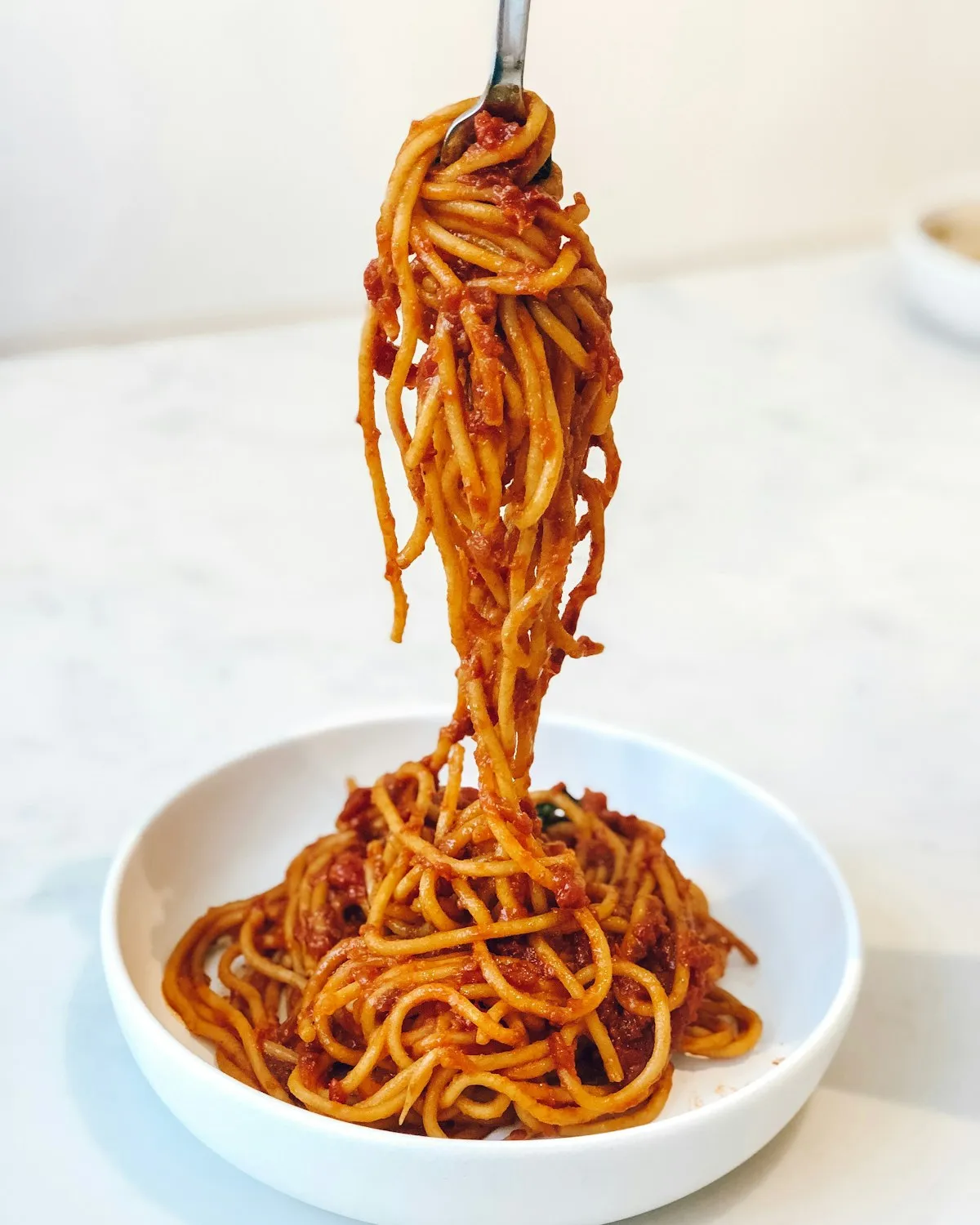
If there is one thing you take away from my blog today, let it be this: save your pasta water. In the professional world, we call this "liquid gold." As the pasta cooks, it releases starches into the water. When you combine this starchy, salty liquid with fat (like olive oil, butter, or cheese) and use high heat, you create an emulsion.
An emulsion is a stable mixture of two liquids that usually don't mix, like oil and water. Without that starchy water, your "Aglio e Olio" is just greasy noodles. With it, you get a silky, creamy coating that feels luxurious without a drop of heavy cream. This is the secret behind meal planning with simple pasta. Once you master this one technique, you can rotate through dozens of flavors: from spicy red pepper flakes to briny capers: and every single one will feel like a cohesive meal.
When you move your pasta to the sauce pan, always bring a splash of water with it. Toss vigorously. This mechanical action, combined with the heat and the starch, binds everything together. It’s the difference between a "dish" and a "meal."
Building Your 30-Day Pasta Rotation
The beauty of having 30 recipes in your back pocket is that you never have to repeat a flavor profile in a single month. For quick family meals, I recommend categorizing your pasta nights into five "moods":
- The Pantry Heroes: Think Cacio e Pepe, Aglio e Olio, and Puttanesca. These rely on dry goods like peppercorns, garlic, and canned anchovies.
- The Green Machines: Use seasonal veggies. A simple lemon-zest and asparagus linguine or a kale and walnut pesto can transform your repertoire into healthy dinner ideas.
- The Creamy Comforts: This is where we play with goat cheese, gorgonzola, or even a quick vodka sauce. The goal is richness that doesn't weigh you down.
- The Protein Power-ups: Adding seared salmon, crispy pancetta, or even a handful of chickpeas ensures the meal is filling.
- The Oven-Finishers: Sometimes a quick broil with a layer of mozzarella is exactly what the soul needs.
By rotating these styles, you keep the palate excited. You might do a light "Japanese Mentaiko" (spicy cod roe) on a Tuesday and a robust "Sausage and Broccolini" on a Thursday. This variety is what makes home cooking sustainable. It stops the "what's for dinner?" dread.
Flavor Variations: Balancing the Plate
When you’re looking to lighten things up, remember that acidity is your greatest tool. If a pasta dish feels too heavy or "flat," it’s usually lacking a bright note. A squeeze of fresh lemon juice or a splash of red wine vinegar right before serving can wake up the entire dish. This is essential when you're focusing on healthy dinner ideas.
Don't be afraid to experiment with textures. Most simple pasta recipes benefit from a crunch. Think toasted breadcrumbs (pangrattato), toasted pine nuts, or even crushed pistachios. This contrast makes a 15-minute meal feel like it was crafted by a chef. If you're avoiding nuts, try toasted sunflower seeds or hemp hearts for that same earthy depth.
For those following specific lifestyles, the noodle itself can vary. Chickpea or lentil-based pastas are fantastic for a protein boost, but they release much more starch. You'll need to be even more vigilant with your pasta water and tossing technique to prevent them from becoming clumpy.
The Perfect Side Dish Pairings
No pasta dish is an island. To make these truly quick family meals, you need side dishes that balance the richness of the pasta. If you’re serving a heavy carbonara or a buttery fettuccine, you need a high-acid side. A simple arugula salad with a sharp lemon vinaigrette is non-negotiable here. The bitterness of the greens cuts right through the fat, cleansing your palate for the next bite.
If you’re doing a lighter, vegetable-forward pasta, you can afford a heartier side. This is a great time to look for air fryer recipes dinner inspirations. Toss some broccoli florets or cauliflower with garlic and parmesan in the air fryer while your water boils. The charred, crispy edges of the vegetables provide a wonderful counterpoint to the soft, silky texture of the noodles. For a bit of heat, try air-fried shishito peppers or spicy green beans.
Pasta Troubleshooting FAQ
Why is my pasta always sticking together?
This usually happens for two reasons: not enough water or not enough stirring. Use a large pot so the noodles have room to "swim." Stir vigorously during the first two minutes of cooking: this is when the surface starch is most active and likely to glue the noodles together. Avoid adding oil to the water; it just floats on top and does nothing to prevent sticking.
Can I make these recipes ahead of time for meal prep?
Pasta is best fresh, but you can certainly prep. If you must cook ahead, undercook the pasta significantly (very firm to the bite), toss it with a tiny bit of olive oil to prevent sticking, and cool it quickly. When you're ready to eat, finish it in the sauce with a splash of water to revive that starch.
How do I fix a broken, greasy sauce?
If your sauce has separated into a puddle of oil and a clump of cheese, your heat was likely too high or you didn't use enough pasta water. To fix it, remove the pan from the heat, add a tablespoon of hot pasta water, and whisk or toss like your life depends on it. The starch in the water will help pull the fats back into an emulsion.
My sauce is too thin and won't stick to the noodles!
Be patient. High heat and movement are key. Increase the heat slightly and keep tossing the pasta in the sauce. This reduces the liquid while encouraging the starches to thicken. If it's still too thin, a small knob of butter or a handful of finely grated Parmesan (not the stuff from a green can!) will help bind it.
Is it really necessary to salt the water that much?
Yes. It is your only chance to season the pasta itself. If you skip this, your meal will always taste like it's "missing something," no matter how much salt you add to the sauce later. Aim for about one tablespoon of kosher salt per gallon of water.
For more inspiration on quick kitchen wins, check out our 15-minute meals or browse our healthy section for low-effort, high-flavor ideas.
{“@type”:”BlogPosting”,”image”:”https://cdn.marblism.com/o7hGxcgKPrW.webp”,”author”:{“name”:”Penny”,”@type”:”Person”},”@context”:”https://schema.org”,”headline”:”30 Catchy Simple Pasta Recipes for Your Weekly Meal Plan Rotation”,”publisher”:{“logo”:{“url”:”https://cookpedia.com/logo.png”,”@type”:”ImageObject”},”name”:”Cookpedia”,”@type”:”Organization”},”mainEntity”:[{“name”:”Why is my pasta always sticking together?”,”@type”:”Question”,”acceptedAnswer”:{“text”:”Pasta sticks due to crowding or lack of stirring. Use a large pot of water and stir frequently during the first two minutes of boiling to prevent the starch from bonding the noodles together.”,”@type”:”Answer”}},{“name”:”How do I fix a broken, greasy sauce?”,”@type”:”Question”,”acceptedAnswer”:{“text”:”A broken sauce can often be fixed by removing it from the heat and whisking in a small amount of starchy pasta water to re-emulsify the fats and liquids.”,”@type”:”Answer”}},{“name”:”Should I add oil to my pasta water?”,”@type”:”Question”,”acceptedAnswer”:{“text”:”No. Oil prevents the sauce from sticking to the pasta. Instead, use plenty of water and stir regularly to prevent sticking.”,”@type”:”Answer”}}],”description”:”Master the art of simple pasta recipes with this guide on technique, science-based cooking tips, and meal planning strategies for busy weeknights.”,”datePublished”:”2026-07-16″,”mainEntityOfPage”:{“@id”:”https://cookpedia.com/30-simple-pasta-recipes-meal-plan”,”@type”:”WebPage”}}