Recipe
Servings
Servings 1×
Ingredients
- Salmon
- Pasta
- Noodles
- Spinach
- Tomatoes
- Garlic
- Lemon
- Butter
- Cooking oil
- Salt
- Black pepper
Method
- Let’s get you from boiling water to culinary bliss.
- Toss it vigorously over medium heat.
- Use the residual heat of the pasta to wilt spinach or toss in blistered cherry tomatoes.
Pasta is the ultimate safety net of the culinary world. Whether you are staring at an empty fridge or you've had a day that felt forty-eight hours long, a bag of dried noodles is your ticket to a satisfying meal. But there is a massive difference between "edible" noodles and the kind of silky, restaurant-quality plates that make you feel like a pro. Mastering simple pasta recipes isn't about complex techniques; it’s about understanding a few non-negotiable scientific principles. Let’s get you from boiling water to culinary bliss.
The Science of the Perfect Noodle: Tips & Technique
If you want to master quick family meals, you have to start with the water. I see too many home cooks treating their pasta water like an afterthought. In reality, that pot of bubbling liquid is the most important ingredient in your kitchen.
Salt Like You Mean It
First, salt your water generously. I’m not talking about a timid pinch; it should taste like a clean sip of the ocean. Why? Because pasta is a starch sponge. As it hydrates, it absorbs the liquid it’s swimming in. If that liquid is bland, your pasta will be bland from the inside out, and no amount of top-dressing sauce can fix a flavorless core. Aim for about a tablespoon of kosher salt per four quarts of water.
The "Liquid Gold" Secret
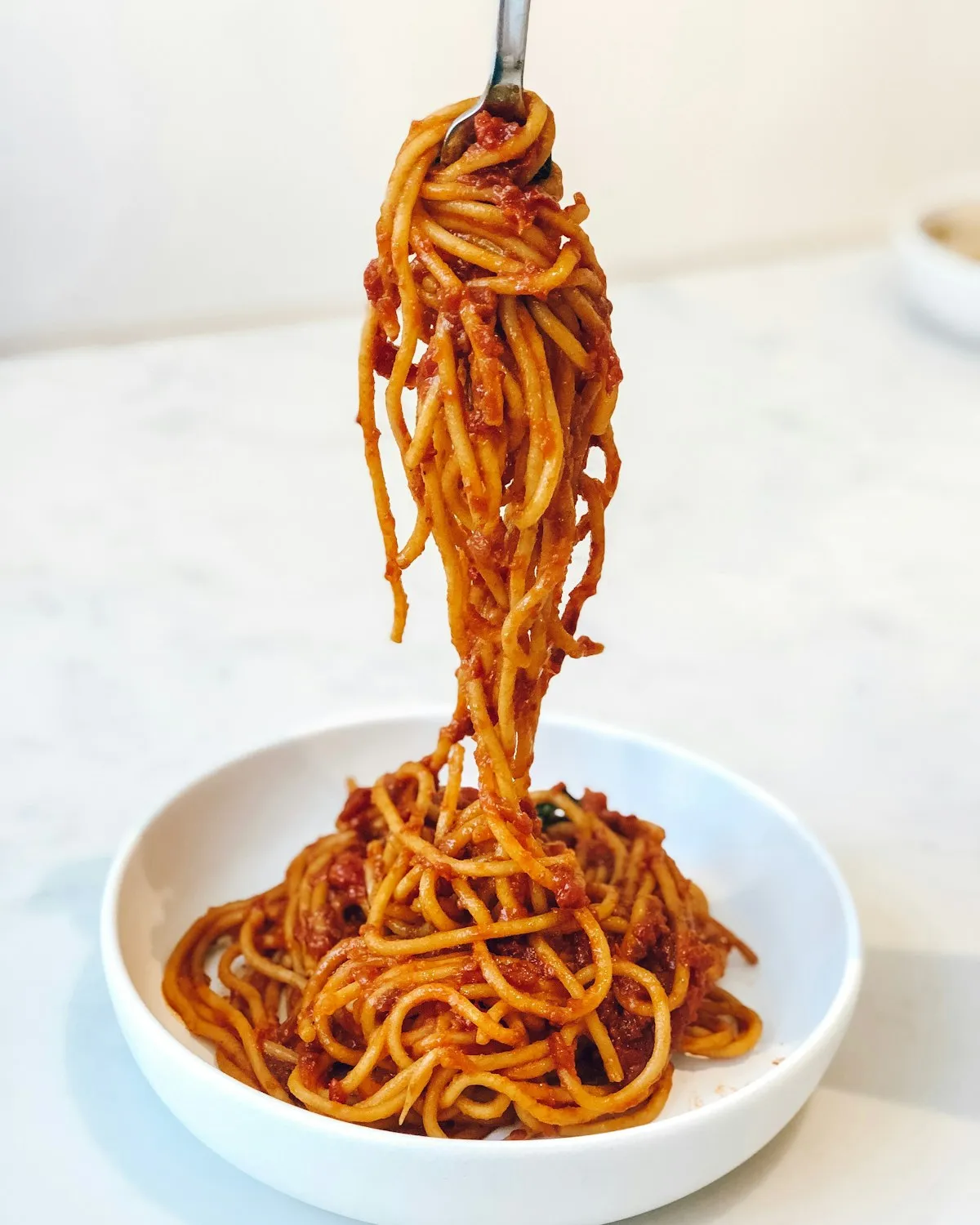
Never, under any circumstances, dump all your pasta water down the drain. This is the biggest mistake beginners make. As pasta cooks, it releases amylose starch into the water. This starchy liquid is a powerful emulsifier. When you add a splash of this "liquid gold" to your sauce, the starch molecules act as a bridge between the water-based sauce and the fats (like olive oil or butter). This is how you get a sauce that clings to the noodle rather than pooling at the bottom of the bowl.
Avoid the Oil Slick
Stop adding olive oil to your boiling water. It’s a myth that it prevents sticking; all it actually does is coat your noodles in a slick film that prevents the sauce from adhering later. If you want to prevent sticking, use a large enough pot and stir the pasta immediately after dropping it in. The first sixty seconds are when the surface starches are stickiest; once they set, the noodles will behave.
The Finish Line: The "Mantecre"
Don’t just pour sauce over a pile of dry noodles. Instead, pull your pasta out of the water about a minute before the package says it’s "al dente." Transfer it directly into a pan with your sauce and a healthy splash of that reserved starchy water. Toss it vigorously over medium heat. This final minute of cooking allows the pasta to finish absorbing liquid, this time, flavor-packed sauce, while the starch creates a creamy, unified emulsion.
Finding Balance: Variations and Flavor Profiles
Once you understand the mechanics, simple pasta recipes become a canvas for whatever is in your pantry. The key to a great variation is balance, specifically, the interplay between fat, acidity, and heat.
If you are making a rich, buttery Alfredo or a carbonara, you need acidity to cut through the heaviness. A squeeze of fresh lemon juice or a handful of bright, peppery arugula folded in at the last second can transform a "heavy" meal into something vibrant. For those seeking healthy dinner ideas, focus on "Pasta Primavera" styles. Use the residual heat of the pasta to wilt spinach or toss in blistered cherry tomatoes. The natural juices from the tomatoes, combined with your starchy pasta water, create a light, instantaneous sauce that feels fresh and light.
If you’re craving a protein boost, consider flaked fish or crispy pancetta. A creamy salmon and dill pasta is an elegant way to elevate a weeknight. The richness of the fish is perfectly offset by the brightness of the dill and the bite of cracked black pepper. If you're looking for something with a bit more "crunch," toasted breadcrumbs (mollica) seasoned with garlic and lemon zest can provide a fantastic textural contrast to soft noodles.
Side Dish Pairings: Rounding Out the Meal
A great pasta dish is often quite "monochromatic" in texture. To make it a complete meal, you need sides that provide crunch and acidity. A simple arugula salad with a sharp balsamic vinaigrette is a classic for a reason, the bitterness of the greens resets your palate between bites of savory pasta.
If you have the oven going or want to utilize air fryer recipes dinner style efficiency, roasted vegetables like broccoli or asparagus are excellent. Toss them with lemon and garlic to mirror the flavors often found in pasta bases. If you’re serving a particularly saucy dish like a ragu, a crusty piece of sourdough is non-negotiable for "fare la scarpetta", the Italian tradition of "making the little shoe" to mop up every last drop of sauce from your plate.
Common Questions and "What Ifs"
What if my sauce is too watery?
Don't panic and don't keep boiling it, or you'll overcook the noodles. Instead, add a handful of finely grated Parmigiano-Reggiano and give it a vigorous stir. The proteins and fats in the cheese will help bind the sauce and thicken it instantly. If it’s still thin, a small knob of cold butter (the "monter au beurre" technique) can add body and shine.
What if I forgot to save the pasta water?
We've all been there. If the water is gone, you can mimic the effect by whisking a teaspoon of cornstarch into a half-cup of warm water or chicken broth. It won't be quite as flavorful as the original, but it will provide the necessary starch to help your sauce emulsify rather than separate.
Can I use gluten-free pasta with these techniques?
Yes, but be extra cautious. Gluten-free pastas often release more starch and can become mushy very quickly. Check for doneness two minutes earlier than the package suggests. The starchy water from GF pasta is actually excellent for thickening sauces, so definitely don't skip that step.
Why is my pasta sticking together after I drain it?
This happens because you've left the starch on the surface of the noodles to dry and act like glue. To avoid this, never let your pasta sit in a colander. Go straight from the pot to the sauce. If your sauce isn't ready yet, keep the pasta in the water (off the heat) or toss it with a tiny bit of oil as a last resort: though finishing it in the sauce is always the superior choice for quick family meals.
Mastering the basics of pasta is the first step toward kitchen independence. Once you stop fearing the pot and start using the science of starch to your advantage, you'll find that some of the best meals you've ever eaten are the ones you made in fifteen minutes on a Tuesday night. Happy cooking!
{“@type”:”BlogPosting”,”image”:”https://cdn.marblism.com/7NAb8vPG1BT.webp”,”author”:{“name”:”Penny”,”@type”:”Person”},”@context”:”https://schema.org”,”headline”:”Simple Pasta Recipes 101: A Beginner’s Guide to Mastering Weeknight Dinners”,”publisher”:{“logo”:{“url”:”https://cookpedia.com/logo.png”,”@type”:”ImageObject”},”name”:”Cookpedia”,”@type”:”Organization”},”articleBody”:”Pasta is the ultimate safety net of the culinary world… (full text content) …”,”description”:”Learn the science behind perfect simple pasta recipes. This beginner’s guide covers starch emulsification, proper salting, and techniques for quick family meals.”,”datePublished”:”2026-07-16″}