Recipe
Servings
Servings 1×
Ingredients
- Chicken
- Lentils
- Chickpeas
- Black beans
- Beans
- Quinoa
- Pearled barley
- Pasta
- Noodles
- Rice
- Rolled oats
- Greek yogurt
- Cauliflower
- Broccoli
- Carrots
- Kale
- Greens
- Avocado
Method
- Use whole grains like quinoa or farro instead of white rice.
- Use shredded cabbage, carrots, and a vinegar-based dressing.
- Use them for your quick healthy meals to save time and cash.
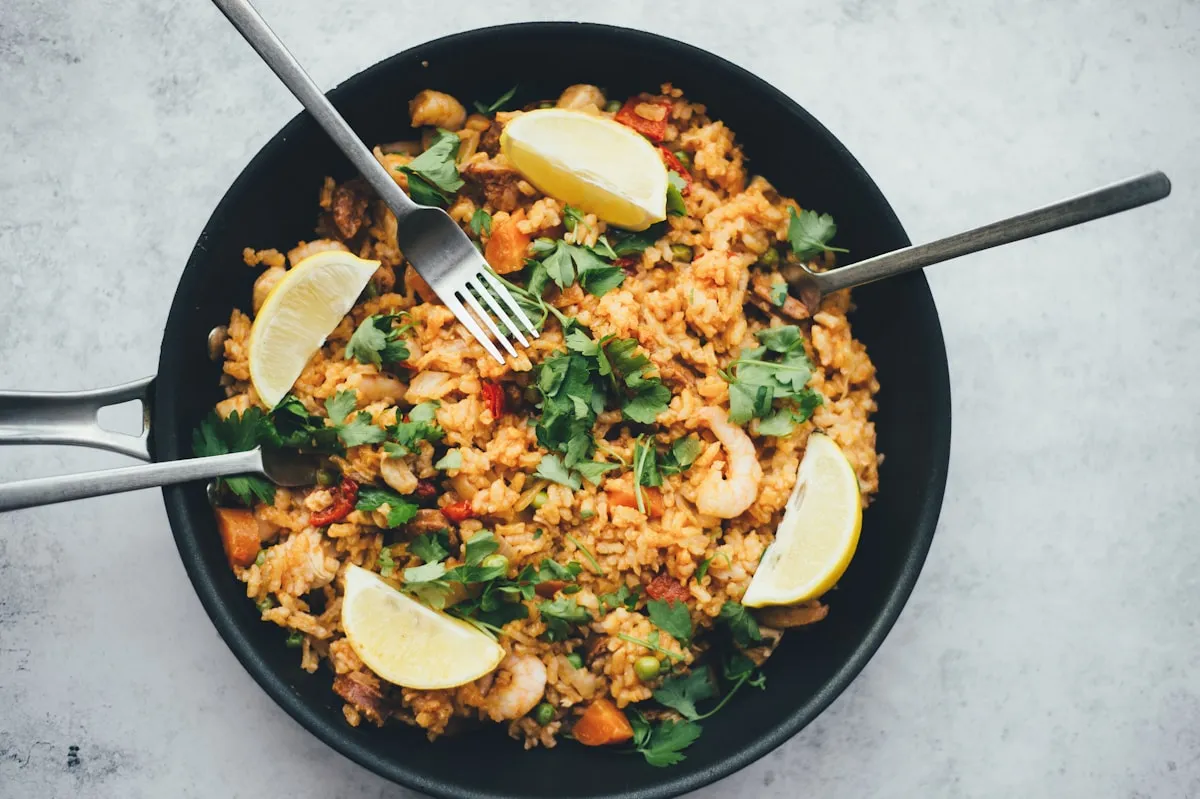
Stop thinking of your gut as a mysterious black box and start viewing it as your body’s personal engine room. If the engine is clogged with sludge, the whole car runs like garbage. Improving your digestion doesn't require a PhD or a massive budget; it just takes a few smart shifts in how you approach your kitchen. This easy guide for beginners breaks down how to nourish those trillions of tiny microbes while keeping your schedule intact. Forget complicated detoxes: we’re talking about real food that works for real life.
The Science of Biodiversity: Feed the Microbes
The secret to a resilient gut is diversity. Scientific research suggests that individuals who eat at least 30 different types of plants per week have a significantly more diverse microbiome than those who stick to the same ten staples. Why? Different bacteria thrive on different types of fiber. When you eat the same broccoli and chicken every night, you’re essentially only feeding one "neighborhood" of your gut, leaving the others to starve.
To hit that 30-plant goal without losing your mind, use the "Scatter Technique." Don't just buy one type of salad green; grab a pre-mixed bag of power greens. Throw a handful of pumpkin seeds or hemp hearts over your breakfast. Every herb, spice, nut, and seed counts toward your weekly tally. This is the foundation of creating quick healthy meals that actually do something for your long-term wellness.
Fiber is the non-negotiable fuel for these bacteria. When they break down fiber, they produce short-chain fatty acids like butyrate, which strengthen your gut lining and reduce inflammation. Aim for 25 to 35 grams of fiber daily. If you aren't used to it, increase your intake slowly to avoid bloating. Use whole grains like quinoa or farro instead of white rice. These "slow carbs" keep your blood sugar stable and your microbes happy.
Don't forget the live cultures. Fermented foods are nature’s probiotics. They introduce beneficial bacteria directly into the system. Think of them as reinforcements for your internal army. A dollop of Greek yogurt, a side of kimchi, or a splash of kombucha can transform a standard meal into a gut-healing powerhouse. If you're looking for healthy dinner ideas, start by adding a fermented element to every plate.
Finally, master the art of the "Batch Prep." Gut health fails when you're hungry and reaching for ultra-processed snacks. Spend 20 minutes on Sunday roasting a huge tray of root vegetables or cooking a big pot of lentils. Having these ready to go ensures you can assemble a nutrient-dense bowl in under five minutes on a Tuesday night.
Gut-Friendly Variations for Every Cravings
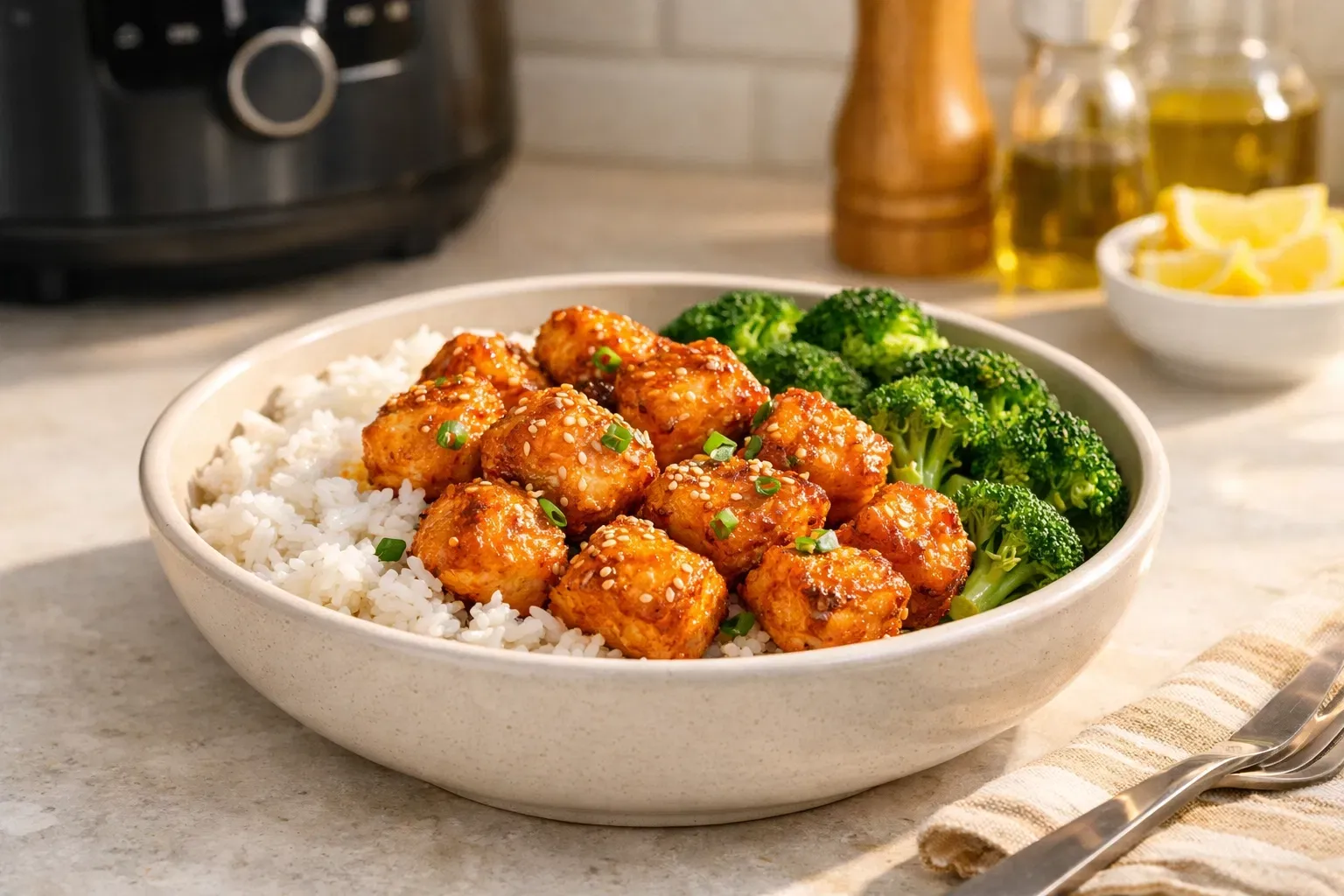
Variety isn't just about nutrition; it's about making sure you don't get bored and order a pizza. You can take a basic "gut-health bowl" and pivot it in five different directions just by changing the aromatics and the fermented "topper."
Switch your base frequently. If you used brown rice last week, try buckwheat or pearl barley this week. Different grains contain different types of prebiotic fibers. For a Mediterranean vibe, swap your black beans for chickpeas and top the bowl with a generous spoonful of sauerkraut or pickled red onions. The acidity from the pickles cuts through the creaminess of avocado or tahini, creating a balanced flavor profile that hits every taste bud.
If you prefer something warm and comforting, lean into miso. Miso paste is a fermented powerhouse that adds incredible depth to soups and stir-fries. Just remember to add it at the very end of cooking, off the heat, to keep the live bacteria alive. You can even use your favorite air fryer recipes dinner style to roast cruciferous veggies like Brussels sprouts or cauliflower: they develop a nutty sweetness that pairs perfectly with a tangy yogurt-based sauce.
Pairing for Balance: Acidity and Crunch
When planning your quick family meals, focus on the "Acid and Crunch" rule. A gut-healthy meal can sometimes feel a bit "soft" with all those cooked grains and beans. You need texture to stay satisfied.
Pair a rich, savory main: like a lentil stew or roasted chicken: with a bright, crunchy slaw. Use shredded cabbage, carrots, and a vinegar-based dressing. The vinegar provides the acidity needed to cut through richness, making the meal feel lighter and more refreshing. This also stimulates your digestive enzymes before the first bite even hits your stomach.
If you’re doing a quick roast, like our Kielbasa and Pierogi Air Fryer Roast, serve it alongside a bitter green salad. Arugula or radicchio provides a sharp contrast to the salty, savory meat. Bitters are excellent for "waking up" the gallbladder and liver, ensuring your body is ready to process fats efficiently. This simple pairing strategy elevates basic ingredients into a restaurant-quality experience at home.
Gut Health FAQ: The "What Ifs" of Digestion
What if eating more fiber makes me extremely bloated?
This is the most common hurdle for beginners. If you go from 10g of fiber to 30g overnight, your gut bacteria will throw a party, and the byproduct of that party is gas. Slow down. Increase your intake by 5g every few days and drink twice as much water. Water is the lubricant that keeps fiber moving through your pipes; without it, fiber can actually cause more "traffic jams" in your system.
Do I have to buy expensive probiotic supplements?
Rarely. For most people, consistent consumption of fermented foods like kefir, kimchi, and tempeh is more effective and much cheaper. Supplements often contain only a few strains of bacteria, whereas fermented foods offer a complex community of microbes and the nutrients they need to survive. Save your money and spend it on the produce aisle instead.
Can I still eat quick family meals that aren't "boring" health food?
Absolutely. Gut health isn't about restriction; it's about addition. Don't take away the tacos; just add a slaw of purple cabbage and some pickled jalapeños. Don't skip the pasta; just use a bean-based noodle or toss in three different types of sautéed veggies. The goal is to maximize the "Plant Points" in every dish you already love.
Does cooking destroy all the benefits of gut-healthy foods?
Not at all. While heat can kill the live bacteria in fermented foods (which is why you add miso at the end), it actually makes the fiber in many vegetables easier to digest. Roasted carrots or steamed kale are often better for beginners with sensitive guts than raw versions because the heat has already started the breakdown process for you. Focus on a mix of raw and cooked for the best results.
Is it expensive to eat for gut health?
Actually, it’s one of the most budget-friendly ways to eat. The superstars of the gut-health world are beans, lentils, oats, and cabbage: some of the cheapest items in the grocery store. Buying frozen fruit and vegetables is also a total pro-tip. They are picked at peak ripeness, frozen immediately to preserve nutrients, and often count as multiple plant points in one bag. Use them for your quick healthy meals to save time and cash.